Coral Gables Merrick House: A Glimpse Into the City's Past
The historic Merrick House tells the story of the family that built Coral Gables — and the values that still define the city.
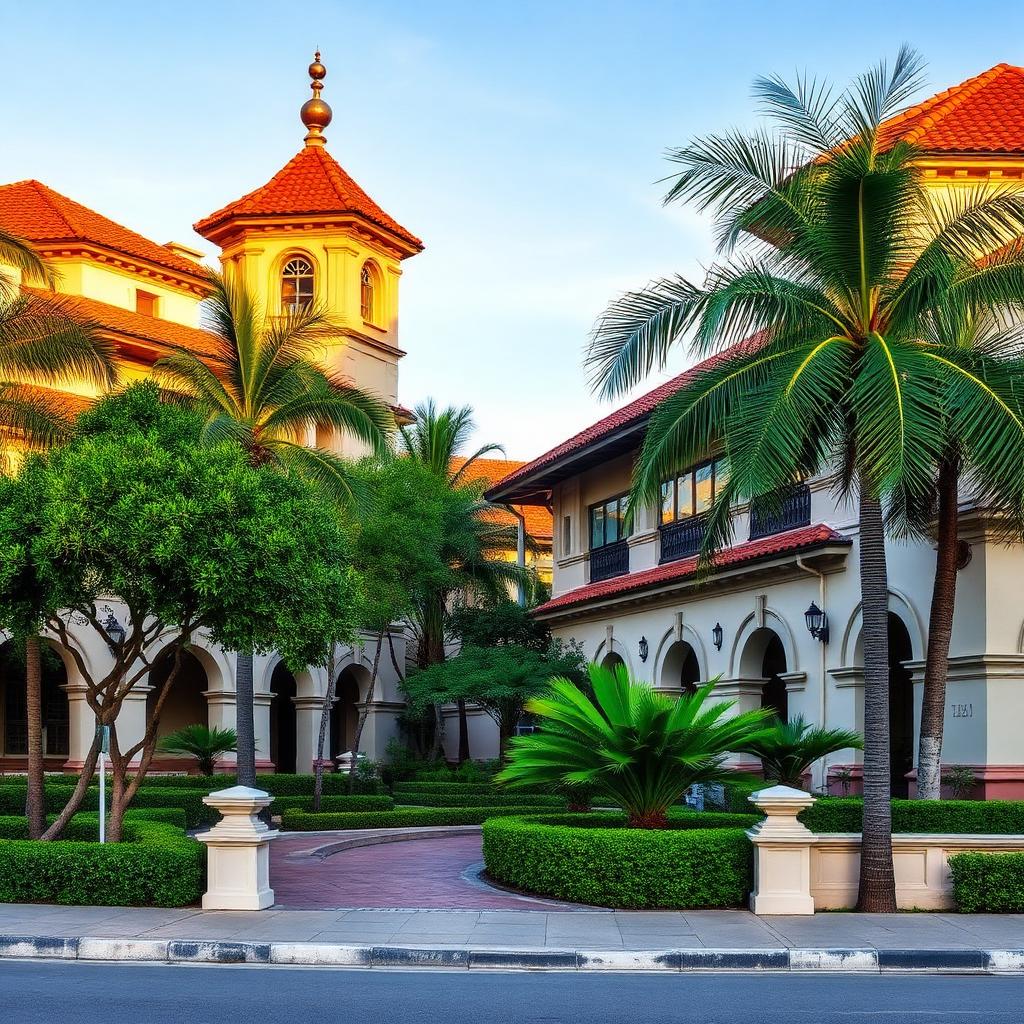
Nestled in the heart of Coral Gables, Florida, the Merrick House stands as one of Miami-Dade County's most beloved historical landmarks — a living testament to the vision of George Edgar Merrick, the city's founder and the man who transformed a citrus plantation into one of America's first planned communities in the early twentieth century. Built around 1906, the coral rock homestead served as the Merrick family home during the years when George Merrick was developing the ambitious, Mediterranean Revival-inspired city that would bear the name Coral Gables. Today, the house is preserved as a museum and cultural site open to the public, offering visitors a rare glimpse into Florida's formative years of development and the remarkable story of a family that helped shape South Florida.
The Merrick Family and the Founding of Coral Gables
George Merrick was born in 1886 in Strafford, Pennsylvania, and arrived in South Florida as a teenager when his father, Reverend Solomon Merrick, purchased a 160-acre homestead in what would become Coral Gables. The family planted citrus groves and grew avocados on the gently rolling limestone terrain, and the homestead they built — using locally quarried coral rock in the vernacular Florida frontier style — became the center of the family's agricultural and cultural life. George Merrick attended college in New York with ambitions of becoming a poet and writer, but when his father died in 1911, he returned to manage the family estate. It was from this homestead that he began sketching the plans for an entirely new kind of American city: one built according to unified architectural standards, with deed restrictions, lush landscaping, Venetian pools, and a Spanish-Mediterranean aesthetic that set Coral Gables apart from every other South Florida community.
The Architecture of the Merrick House
The Merrick House itself is an architectural hybrid — part frontier Florida vernacular, part early-twentieth-century farmhouse, constructed from the oolitic limestone (commonly called coral rock or Miami limestone) that characterizes South Florida's native geology. The house was expanded by the Merrick family over the years, with later additions reflecting the increasing prosperity of the citrus enterprise. Its simple, thick-walled construction kept the interior cool in an era before air conditioning — a practical wisdom that resonates even today in South Florida's subtropical heat. The house sits on a modest but lovingly maintained property at 907 Coral Way, surrounded by fruit trees and tropical plantings that evoke the agricultural character of the original Merrick homestead.
The Boom Years and the Vision of a Planned City
By the early 1920s, Florida was in the grip of an extraordinary land boom, and George Merrick's vision for Coral Gables had taken on full momentum. Working with architects Phineas Paist and Denman Fink (his uncle and collaborator), Merrick designed a city of Mediterranean Revival buildings, grand entrance gates, ornamental fountains, and a network of canals modeled partly on Venetian waterways. The Coral Gables Biltmore Hotel, completed in 1926, became the crown jewel of the development. At its peak, the Coral Gables land sales operation was one of the largest real estate enterprises in Florida history, drawing buyers from across the country with orchestrated tours, celebrity endorsements, and remarkable promotional spectacles. The Merrick House, by this time, had become a symbol of the city's origins — the humble beginning from which a grand vision had grown.
The 1926 Hurricane and the Collapse of the Boom
The Great Miami Hurricane of September 1926 brought the Florida land boom to a devastating and sudden end. The storm caused catastrophic damage across Miami-Dade, destroyed hundreds of structures, and shattered investor confidence in Florida real estate. Coral Gables, which was still under active development, suffered significant losses. George Merrick's financial empire collapsed in the aftermath, and he eventually lost control of the Coral Gables Corporation. He spent his later years in the Florida Keys, where he ran a fishing camp, and he died in 1942. The city he built, however, survived and flourished — its distinctive architectural standards and careful planning proving resilient enough to attract generations of residents who valued its beauty, walkability, and sense of civic identity.
The Merrick House as a Museum and Community Resource
Today, the Merrick House is owned by the City of Coral Gables and operated as a historic house museum by the Coral Gables Museum in partnership with the City's Office of Historic Preservation. The house is listed on the National Register of Historic Places and is designated as a Coral Gables Historic Landmark. Guided tours are offered to the public on weekends and by appointment, and the house hosts educational programs for local schools and historical societies. Inside, visitors can view period furnishings, family photographs, and archival materials that bring the Merrick family's story to life. The surrounding gardens, maintained in a historically informed style, include citrus trees and tropical specimens that echo the original homestead plantings.
Coral Gables Today: A Living Legacy
The Coral Gables that George Merrick envisioned has grown into a thriving, cosmopolitan city of approximately 50,000 residents, home to the University of Miami, a vibrant Miracle Mile commercial district, numerous diplomatic consulates, and some of the most beautiful residential streets in South Florida. The city's Architectural Review Board and Historic Preservation guidelines — which trace their lineage directly to Merrick's original deed restrictions and architectural covenants — continue to maintain the Mediterranean Revival character that makes Coral Gables one of the most distinctive municipalities in Florida. The Merrick House sits at the center of this legacy, a reminder that the city's current sophistication is rooted in the agricultural simplicity and big dreams of a single remarkable family.
Visiting the Merrick House
The Merrick House is located at 907 Coral Way, Coral Gables, Florida 33134. Public tours are offered on weekend afternoons and are free or low-cost for Coral Gables residents. Group tours and special event bookings can be arranged through the Coral Gables Museum. The house is a short drive or bike ride from the Miracle Mile shopping district, the Venetian Pool, and the Biltmore Hotel — making it an ideal stop on a broader exploration of Coral Gables' extraordinary historical and architectural heritage. Visitors with an interest in Florida history, architecture, or urban planning will find the Merrick House an engaging and surprisingly moving experience.
The Farber Law Firm: Proud to Call Coral Gables Home
The Farber Law Firm is honored to be part of the Coral Gables community — a city whose careful planning, civic pride, and commitment to beauty make it one of the most special places in South Florida. Just as George Merrick built Coral Gables with a vision of doing things right, our firm is committed to providing every client with the highest standard of legal representation. If you have questions about personal injury, property insurance, or consumer protection matters, we invite you to contact us for a free consultation. We are proud to serve our neighbors throughout Coral Gables, Miami-Dade, and Broward County.
This article is for general informational purposes only and does not constitute legal advice. Laws change; consult a licensed Florida attorney about your specific situation.
Frequently Asked Questions
Who was George Merrick?
George Merrick was the developer who founded and planned the City of Coral Gables in the 1920s.
Is the Merrick House open to the public?
Yes. The Coral Gables Merrick House Museum offers public tours and is listed on the National Register of Historic Places.
Where is the Merrick House located?
907 Coral Way, Coral Gables, FL 33134.
Why is Coral Gables considered historic?
It was one of the first fully planned communities in the United States, with Mediterranean Revival architecture and preserved landmarks like the Merrick House.
Have a similar situation?
Free, confidential case review with a South Florida trial attorney. Call 8888-FARBER.
Request a Free ConsultationAbout the Author
The Farber Law Firm, P.A.
The Farber Law Firm is a South Florida trial practice based in Coral Gables, representing injured people, policyholders and businesses across Miami-Dade, Broward and Palm Beach counties since 1995. The firm handles personal injury, wrongful death, insurance coverage disputes and commercial litigation, and its attorneys are members in good standing of The Florida Bar.
Articles on this site are written and reviewed by attorney David Farber and reflect Florida statutes, court rules and Florida Bar regulations current as of the publication date.
- Office
- 2199 Ponce de Leon Blvd #301
Coral Gables, FL 33134 - Phone
- 8888-FARBER
- Consultations
- Free and confidential
Florida Legal Insights, in Your Inbox
Subscribe to The Farber Law Firm’s email list for educational articles on Florida injury claims, insurance coverage, and consumer rights.
By subscribing, you request legal insights by email. This is not a consultation request and does not create an attorney-client relationship. Privacy Policy.