Insurance Disputes Attorney — When insurance companies say no, we make them say yes.
The Farber Law Firm represents policyholders — individuals, families, and businesses — in disputes with insurance companies. With prior experience inside the insurance industry, we know how claims are evaluated and where leverage lives. We pursue full recovery for clients across Florida and, where appropriate, in nationwide insurance claim matters.
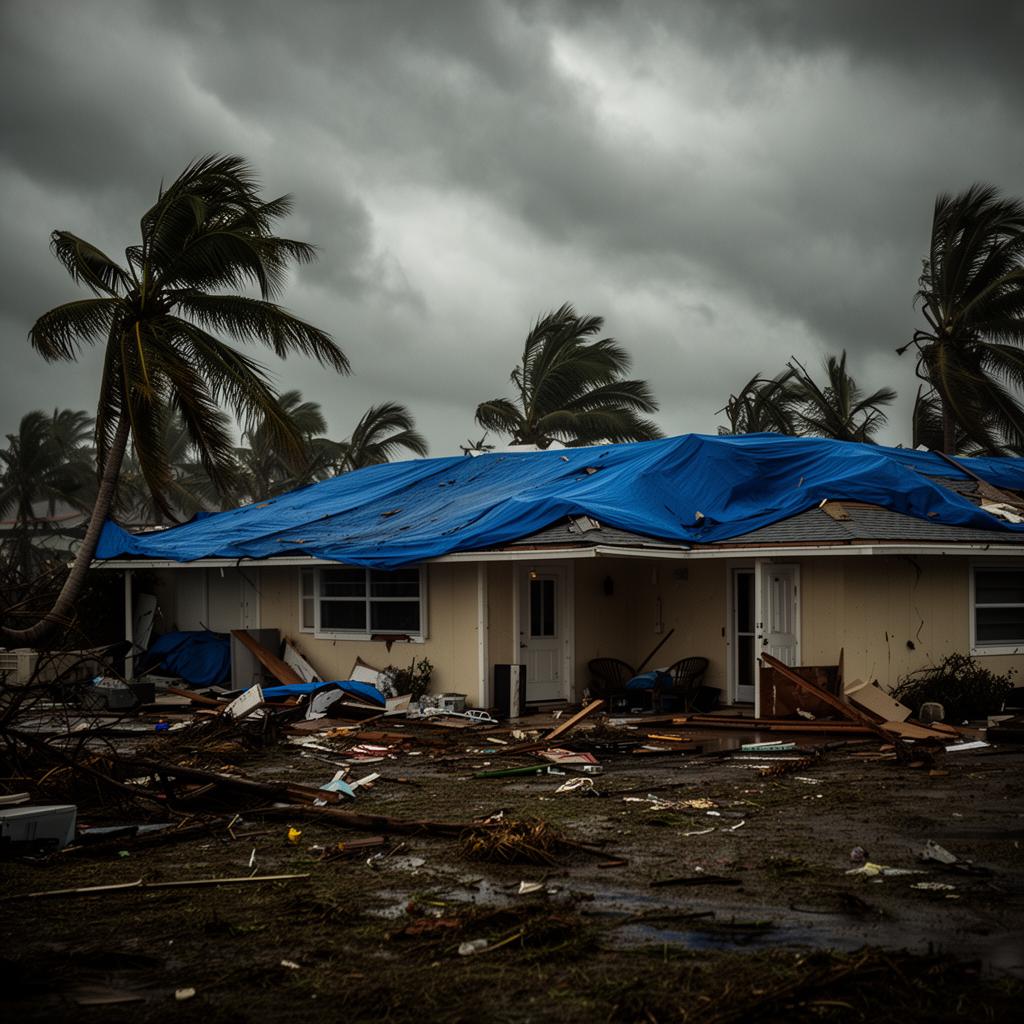
Denied, delayed, or underpaid? The policy and the statutes are your leverage.
Florida property insurance law has changed repeatedly since 2022. Notice deadlines are shorter, pre-suit notice is mandatory, and the old one-way attorney fee statute no longer applies to most newer policies. Policyholders who miss a step can lose rights that would otherwise be strong.
Common denial reasons include wear and tear, long-term leakage, late notice, pre-existing damage, and matching disputes. Many of these can be challenged with the right engineering evidence, a careful reading of policy exclusions, and a documented claim history.
David Farber spent years defending insurers before switching sides. We use that insight to evaluate how your claim was adjusted, identify where the carrier fell short, and pursue appraisal, negotiation, or litigation for homeowners, condominium associations, and businesses.
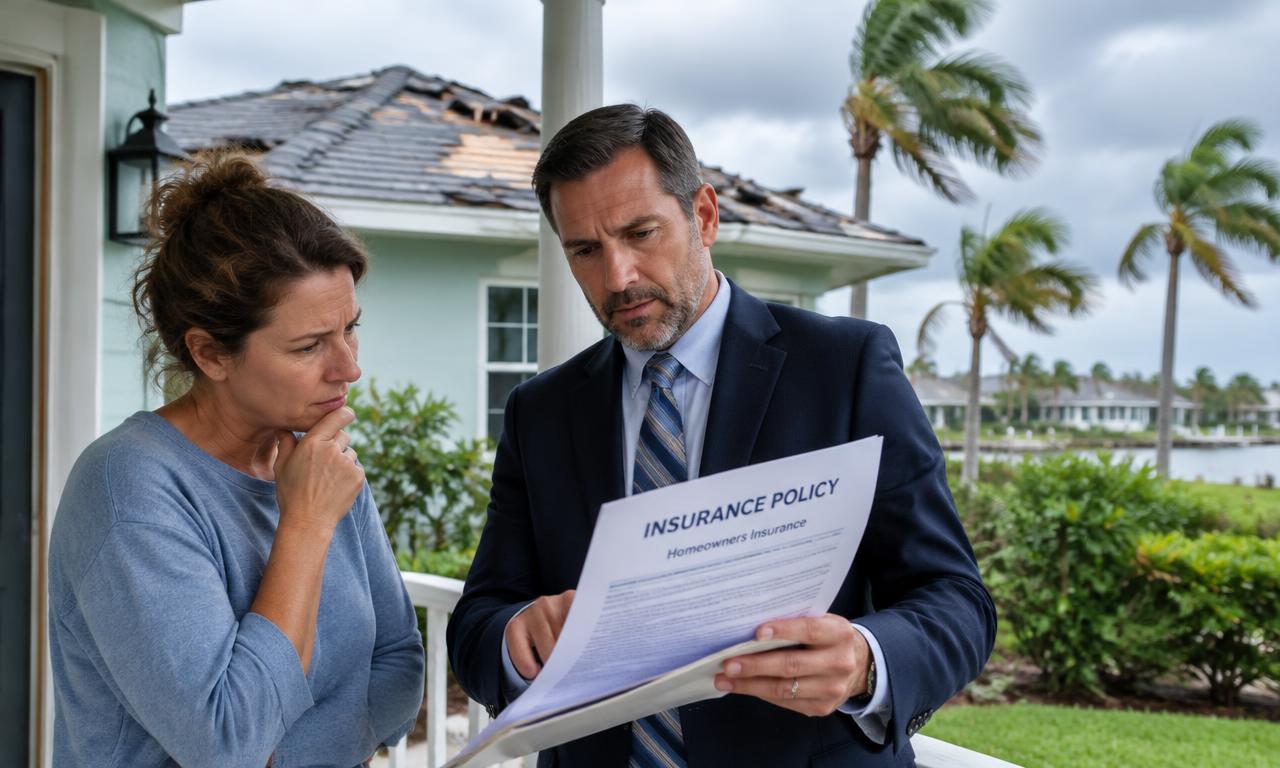
What We Handle
- Hurricane, windstorm, and catastrophic property claims
- Property and homeowners claim denials
- First-party bad faith and extra-contractual claims
- Underpaid, delayed, and improperly adjusted losses
- Commercial property and business interruption
- Health insurance denials and ERISA-adjacent disputes
- Life and disability insurance disputes
Why Farber Law
Policyholder-Side Advocacy
Our entire focus is the policyholder. We translate dense policy language into leverage and put insurance companies on a clock.
We Know the Other Side
Prior insurance-industry experience means we anticipate the playbook used to evaluate, dispute, and lowball claims — and we counter it.
Results-Driven
Substantial recoveries for policyholders denied what their policies promised, across residential, commercial, and complex matters.
Key laws that shape your case
A plain-language summary of the statutes we apply most often. Rules can change and exceptions apply, so confirm how they affect your facts with an attorney.
Notice of claim deadlines
For losses after December 16, 2022, an initial or reopened residential or commercial property claim generally must be noticed within 1 year of the date of loss, and supplemental claims within 18 months.
Insurer handling deadlines
Insurers must acknowledge communications within 7 days and generally must pay or deny a residential property claim within 60 days after notice, absent factors beyond their control.
Pre-suit notice of intent
Before suing over a residential or commercial property claim, the policyholder must serve a notice of intent to litigate with an estimate at least 10 business days before filing.
Bad faith and Civil Remedy Notice
A Civil Remedy Notice gives the insurer 60 days to cure. Bad faith claims generally require a determination of coverage and the insurer's obligation first.
Assignment of benefits limits
Post-2023 residential and commercial policies largely prohibit assigning post-loss benefits to contractors, keeping control of the claim with the policyholder.
Lawsuit filing deadline
Breach of a written insurance contract is generally subject to a five-year limitations period, but notice and pre-suit requirements apply much earlier.
- Notice of new claim
- 1 year from loss
- Supplemental claim
- 18 months
- Insurer acknowledgment
- 7 days
- Pay or deny (residential)
- 60 days
- Pre-suit notice
- 10 business days
- Civil Remedy cure period
- 60 days
Deadlines depend on dates of loss, policy terms, and exceptions. Do not rely on this chart to calculate your deadline.
How your case moves
Policy and denial review
We review the declarations, endorsements, denial letter, adjuster notes, and photos to spot weak reasoning.
Independent evidence
Engineers, contractors, and estimators document cause of loss and full replacement cost.
Pre-suit notice and appraisal
We serve required notices and evaluate appraisal, mediation, or negotiation as the fastest route.
Litigation and bad faith
When the insurer will not pay what is owed, we file suit and pursue bad faith remedies where available.
Insurance Disputes FAQs
How long do I have to report a property insurance claim in Florida?
For losses on or after December 16, 2022, Fla. Stat. § 627.70132 generally requires notice of an initial or reopened claim within 1 year of the date of loss, and notice of a supplemental claim within 18 months. Check your policy and talk with an attorney promptly.
My insurer denied my roof claim as wear and tear. Can I challenge it?
Often, yes. Wear and tear exclusions are common, but sudden events like wind can cause covered damage to an aging roof. An independent inspection and careful policy review can show whether the denial is supported.
What is a notice of intent to litigate?
Under Fla. Stat. § 627.70152, a policyholder must give the insurer written notice, including an estimate of damages, at least 10 business days before filing suit on a property claim. The insurer may respond with an offer or demand appraisal.
Can I still recover attorney fees from my insurer?
Florida repealed one-way attorney fee statutes for property insurance policies issued after the 2022 and 2023 reforms. Fee rules now depend on your policy date and the claim, so ask about fee arrangements during your consultation.
What is insurance bad faith in Florida?
Bad faith generally means an insurer failed to settle a claim when it could and should have, acting fairly and honestly toward the insured. Fla. Stat. § 624.155 requires a Civil Remedy Notice and a 60-day cure period before most bad faith actions.
Should I accept the insurer's first offer?
Not before you understand what your policy covers and the full cost of repairs. Accepting payment can sometimes affect later disputes, so get the estimate and policy reviewed first.
General information only, not legal advice. Laws change and every case is different. Contacting the firm does not create an attorney-client relationship.
Free, confidential case review.
Talk directly with David Farber. Many matters handled on contingency; fee structures may vary by matter and are set out in the firm's written retainer agreement.
Call 8888-FARBER · (888-832-7237)
Schedule Consultation