Construction Defects Attorney — When the build goes wrong, we make it right.
We represent property owners, homeowners, associations, businesses, and developers in disputes involving defective construction, design errors, water intrusion, structural failures, code violations, contractor negligence, and related claims.
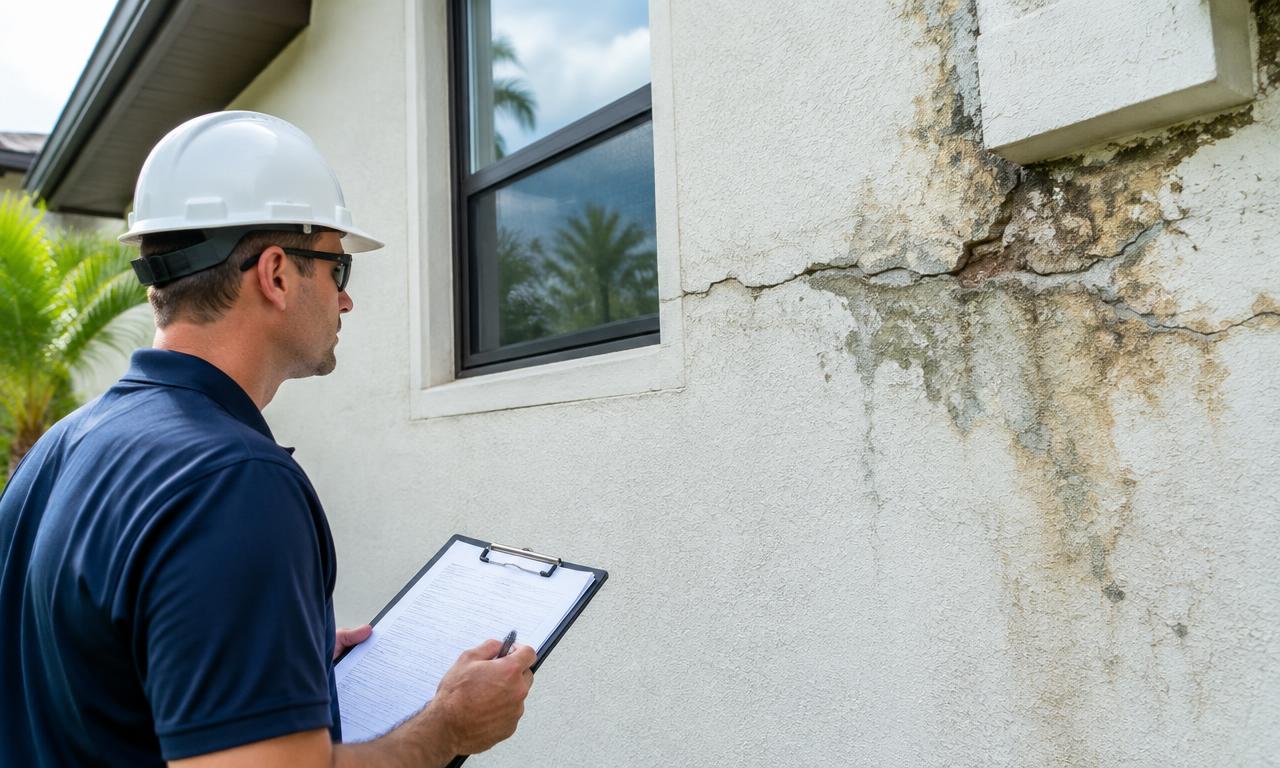
Leaks, cracks, and failed work: Florida's construction defect process
South Florida's heat, humidity, and storms expose construction shortcuts quickly. Stucco cracking, window and roof leaks, failed waterproofing, mold, settlement, and code violations can appear months or years after completion, often after warranties have expired.
Florida requires a specific pre-suit process under Chapter 558 before most construction defect lawsuits can be filed, and the 2023 amendments shortened the statute of repose to seven years. Missing the process or the deadline can defeat an otherwise valid claim.
We coordinate engineers, architects, and building envelope experts to identify what went wrong and who is responsible, then pursue contractors, subcontractors, design professionals, developers, and their insurers for homeowners, condominium and HOA associations, and commercial owners.
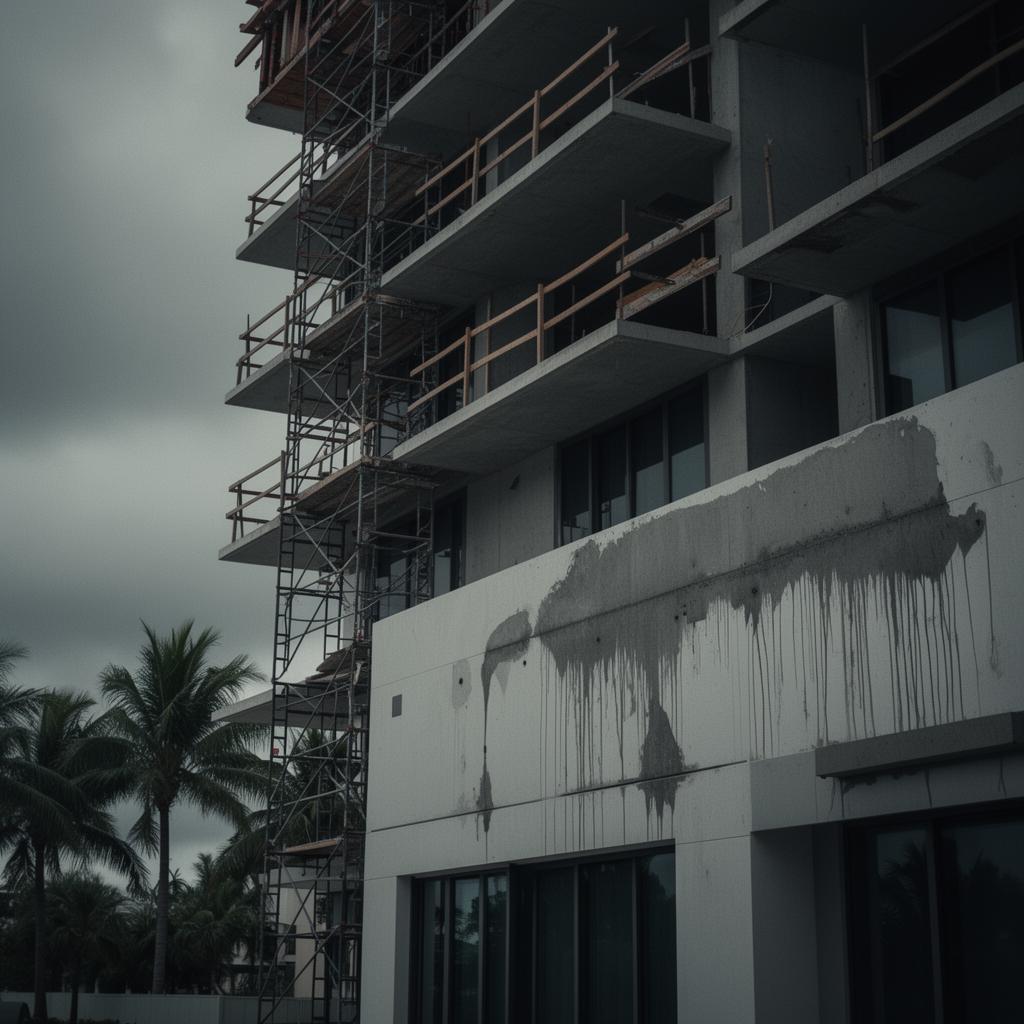
What We Handle
- Defective construction and workmanship claims
- Design errors and professional negligence
- Water intrusion, mold, and moisture damage
- Structural failures and foundation issues
- Building code and permitting violations
- Contractor and subcontractor negligence
- Homeowners association (HOA) construction claims
- Developer and warranty disputes
Why Farber Law
Property Owner Focus
We represent the people and businesses harmed by defective work — not the contractors, designers, or insurance companies on the other side.
Technical & Legal Depth
We work closely with engineers, architects, and forensic experts to build cases grounded in evidence — and in the building code.
Senior-Attorney Attention
David Farber stays personally involved on every matter, supported by an experienced team and proven case-management systems.
Key laws that shape your case
A plain-language summary of the statutes we apply most often. Rules can change and exceptions apply, so confirm how they affect your facts with an attorney.
Pre-suit notice of construction defect
Owners must serve written notice describing the defects at least 60 days before filing suit, or 120 days for associations representing more than 20 parcels, and allow the contractor to inspect and respond.
Four-year limitations period
Actions founded on the design, planning, or construction of an improvement generally must be brought within 4 years, measured from the latest of key completion and occupancy events, or discovery for latent defects.
Seven-year statute of repose
For latent defects, the 2023 amendments set an outside limit of 7 years from the earliest triggering event, such as a certificate of occupancy, regardless of discovery.
Building code violations
Provides a statutory cause of action for damages caused by violations of the Florida Building Code, subject to defenses where work was permitted and inspected in good faith.
Condominium statutory warranties
Developers and contractors give statutory warranties of fitness and merchantability for condominium units and improvements, with set warranty periods.
Milestone inspections and SIRS
Post-Surfside laws require structural milestone inspections and reserve studies for many condominium buildings, which can reveal defects requiring action.
- Chapter 558 notice
- 60 days before suit
- Association (20+ parcels)
- 120 days
- Contractor inspection
- 30 days (50 assoc.)
- Written response
- 45 days (75 assoc.)
- Limitations period
- 4 years
- Statute of repose
- 7 years
Deadlines depend on dates of loss, policy terms, and exceptions. Do not rely on this chart to calculate your deadline.
How your case moves
Document the defects
Photos, moisture readings, contracts, plans, permits, and warranty records gathered early.
Expert investigation
Engineers and building envelope experts identify cause, scope, code issues, and repair cost.
Chapter 558 process
We serve the statutory notice, manage inspections, and evaluate repair or payment offers.
Resolution or lawsuit
Negotiated repairs or payment, or litigation against responsible parties and their insurers.
Construction Defects FAQs
What is a Chapter 558 notice?
Chapter 558 of the Florida Statutes requires a property owner to give written notice of alleged construction defects to the contractor, subcontractor, supplier, or design professional before filing most lawsuits. Recipients may inspect and offer to repair, pay, or dispute the claim.
How long do I have to bring a construction defect claim in Florida?
Generally 4 years under Fla. Stat. § 95.11(3), with special rules for latent defects. The 2023 amendments also created a 7-year statute of repose that can bar claims even if the defect was not discovered.
Can a condominium or HOA association bring a defect claim?
Yes. Associations can often bring claims about common elements, and notice periods are longer for associations representing more than 20 parcels. Board members should act promptly once defects are identified.
Is water intrusion or mold a construction defect?
It can be. Leaks and mold often result from improper window installation, flashing, roofing, stucco, or waterproofing. Expert testing is usually needed to separate construction errors from maintenance or storm damage.
Will my homeowners insurance cover construction defects?
Many property policies exclude faulty workmanship but may cover resulting damage in some situations. Contractor liability insurance can also be a source of recovery, so both policies should be reviewed.
General information only, not legal advice. Laws change and every case is different. Contacting the firm does not create an attorney-client relationship.
Free, confidential case review.
Talk directly with David Farber. Many matters handled on contingency; fee structures may vary by matter and are set out in the firm's written retainer agreement.
Call 8888-FARBER · (888-832-7237)
Schedule Consultation