Consumer Protection Attorney — Your Rights Matter. We Help Enforce Them.
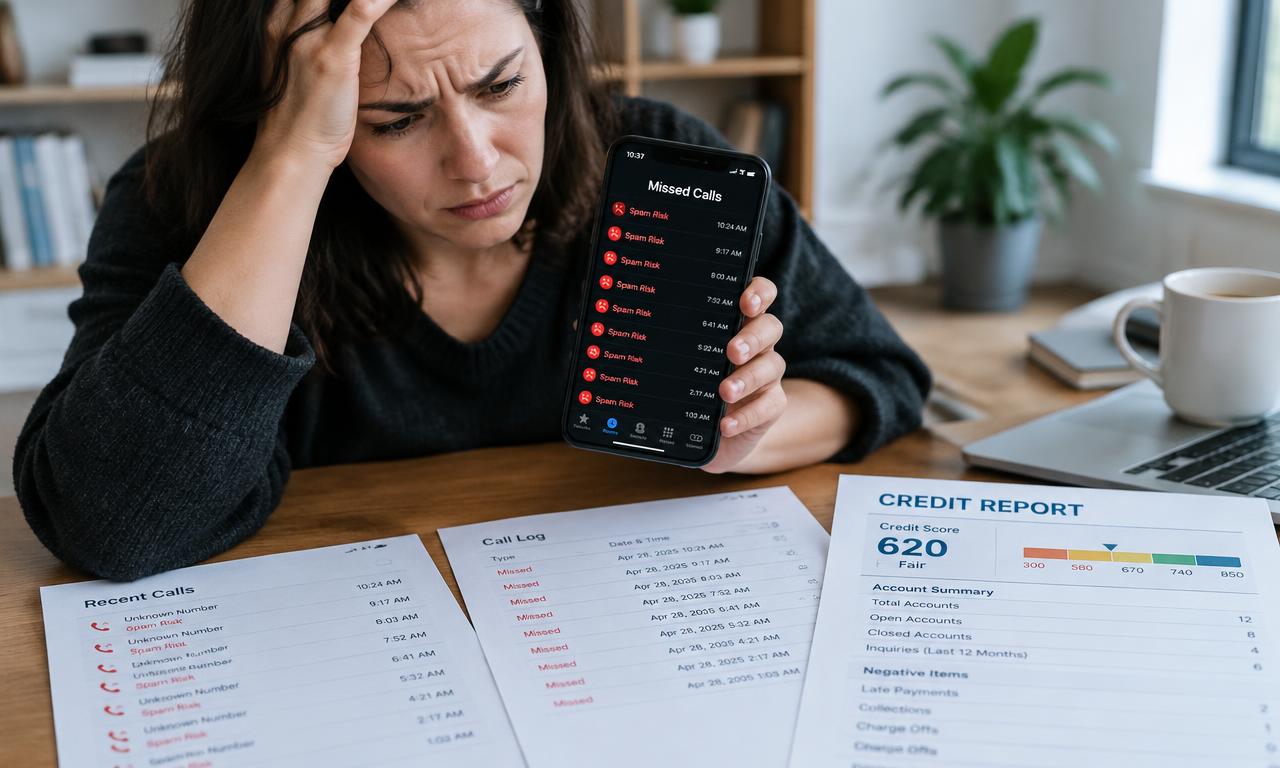
If you've been bombarded with unwanted calls or text messages, harmed by inaccurate information on your credit report, subjected to unlawful debt collection practices, or affected by government actions involving your property, The Farber Law Firm can help. We fight to protect consumers and property owners while seeking the compensation and relief the law provides.

Robocalls, spam texts, credit errors, and collector harassment
Federal and Florida consumer laws give you real remedies, including statutory damages that do not require proof of a dollar loss, and in many cases fee-shifting that makes the violator pay attorney fees. That changes the economics of fighting back.
The strongest cases are documented cases. Screenshots of texts, call logs showing dates and numbers, voicemails, Do-Not-Call registration confirmations, opt-out messages, and dispute letters are the evidence that proves a violation.
We review TCPA and Florida Telephone Solicitation Act claims, Fair Credit Reporting Act disputes, and unlawful debt collection under the FDCPA and Florida Consumer Collection Practices Act, plus eminent domain and inverse condemnation matters for property owners.
Class Actions and Mass Arbitrations
- TCPA — robocalls, autodialed calls, and spam text claims
- Do-Not-Call Registry and telemarketing violations
- FCRA — credit reporting disputes and inaccuracies
- Background-check (FCRA) and identity-mix-up disputes
- Unlawful debt collection practices (FDCPA)
- Consumer protection and unfair/deceptive trade practice claims
- Eminent domain and inverse condemnation
- Class actions and mass arbitrations where appropriate
Why Farber Law
Senior Attorney Oversight. Proven Systems.
Every consumer protection case benefits from the direct oversight of attorney David Farber. Supported by an experienced legal team and proven case-management systems, we work efficiently to protect our clients' rights while providing the personalized attention they deserve.
Statutory Leverage
TCPA and FCRA carry real statutory damages and fee-shifting. We know how to use that leverage to drive results.
Investigation-First
We document the violation properly from day one — call logs, screenshots, dispute letters, and credit files — so the case is built to win.
Key laws that shape your case
A plain-language summary of the statutes we apply most often. Rules can change and exceptions apply, so confirm how they affect your facts with an attorney.
Telephone Consumer Protection Act
Statutory damages of $500 per qualifying violation, up to $1,500 if willful or knowing, for certain prerecorded or autodialed calls and texts and repeated calls to numbers on the National Do-Not-Call Registry.
Florida Telephone Solicitation Act
Florida's telemarketing law. Since 2023, a consumer generally must first reply STOP to an unwanted text and allow 15 days before bringing a texting claim.
Fair Credit Reporting Act
Requires accurate credit reporting and reasonable reinvestigation of disputes, usually within 30 days. Willful violations can carry statutory and punitive damages.
Fair Debt Collection Practices Act
Prohibits abusive, deceptive, and unfair collection practices by third-party debt collectors. Claims generally must be filed within 1 year.
Florida Consumer Collection Practices Act
Applies to original creditors as well as collectors and limits harassment, including contact between 9 p.m. and 8 a.m. without consent. Claims generally have a 2-year filing period.
Eminent domain
Florida requires full compensation when private property is taken for public use, and generally requires the condemning authority to pay reasonable owner attorney fees.
- TCPA
- 4 years
- FTSA text claims
- STOP, then wait 15 days
- FCRA
- 2 yrs discovery / 5 yrs max
- FDCPA
- 1 year
- FCCPA
- 2 years
- Credit dispute reinvestigation
- Usually 30 days
Deadlines depend on dates of loss, policy terms, and exceptions. Do not rely on this chart to calculate your deadline.
How your case moves
Evidence intake
Upload screenshots, call logs, letters, and credit reports through our TCPA intake or a consultation.
Violation analysis
We identify the caller or furnisher, confirm the legal basis, and estimate statutory exposure.
Demand or dispute
Formal demands, credit bureau disputes, or required pre-suit notices, depending on the claim.
Individual or class action
Individual lawsuits, arbitration, or class proceedings where many consumers were affected.
Consumer Protection FAQs
How much can I recover for robocalls or spam texts?
The TCPA provides statutory damages of $500 per qualifying violation, which a court may increase up to $1,500 for willful or knowing violations. Whether each call or text qualifies depends on the technology used, consent, and the type of message.
What should I save as evidence of TCPA violations?
Keep screenshots of texts, call logs showing the number, date, and time, voicemails, any STOP replies, and proof of your Do-Not-Call Registry registration. Do not delete messages, even if they are annoying.
Do I have to reply STOP before suing under Florida law?
For text message claims under the amended Florida Telephone Solicitation Act, a consumer generally must reply STOP and give the sender 15 days to stop before suing. Federal TCPA rules differ, so evidence of your opt-out is important either way.
There is an error on my credit report. What can I do?
Dispute the error in writing with each credit bureau reporting it and keep copies. Under the FCRA, bureaus generally must reinvestigate within 30 days. If they fail to correct inaccurate information, you may have a claim.
Can a debt collector call me at work or late at night?
Federal and Florida law restrict collection calls at inconvenient times. The FCCPA generally prohibits contact between 9 p.m. and 8 a.m. without your consent, and collectors must stop contacting you at work if they know your employer prohibits it.
Do consumer protection cases cost me anything upfront?
Many TCPA, FCRA, and debt collection laws allow a successful consumer to recover attorney fees from the violator, and many cases are handled on contingency. Your fee agreement explains the terms.
General information only, not legal advice. Laws change and every case is different. Contacting the firm does not create an attorney-client relationship.
Free, confidential case review.
Talk directly with David Farber. Many matters handled on contingency; fee structures may vary by matter and are set out in the firm's written retainer agreement.
Call 8888-FARBER · (888-832-7237)
Schedule Consultation