Auto Glass Claims in Florida: What You Need to Know
Florida law has changed how auto glass claims and assignment of benefits work. Here's what drivers and shops should know in 2026.
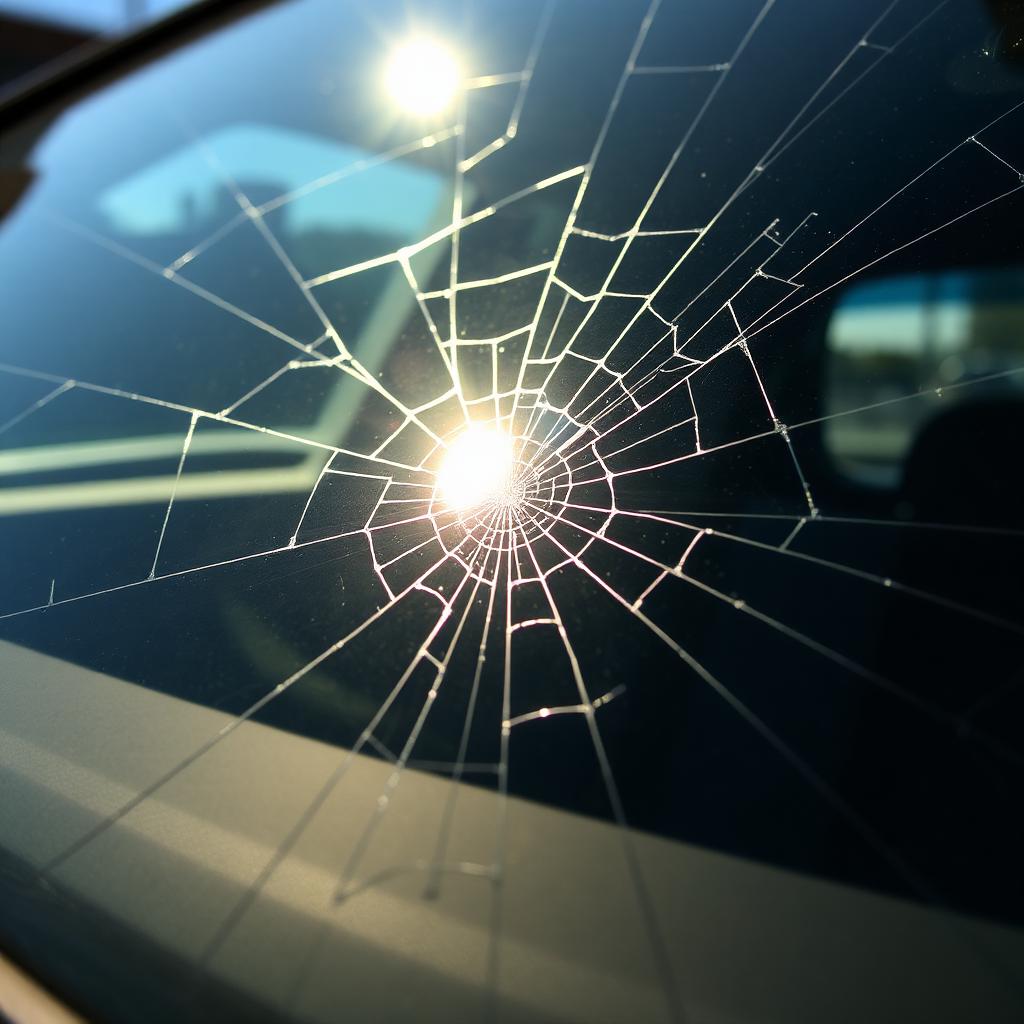
Florida has long been known as the windshield replacement capital of the nation, a distinction driven by the state's unique combination of heavy highway debris, hurricane season, and historically generous auto glass insurance laws. If you drive in Miami-Dade, Broward, or anywhere in South Florida and your windshield or other auto glass is cracked, chipped, or shattered, you have rights under Florida law — but those rights have changed significantly in 2023 and beyond. This comprehensive guide explains everything Florida drivers need to know about auto glass claims in 2026, including Florida's unique zero-deductible windshield law, the comprehensive coverage rules that apply, the Assignment of Benefits (AOB) reforms that have reshaped the industry, and how to protect yourself from fraudulent glass schemes.
Florida's Zero-Deductible Windshield Law
Florida is one of only a handful of states that requires insurers to replace or repair damaged auto glass — specifically windshields — without requiring the policyholder to pay any deductible, provided the policyholder carries comprehensive coverage. This protection is codified in Fla. Stat. § 627.7288, which states that any comprehensive insurance policy covering damage to a motor vehicle must include coverage for replacement of laminated safety glass used in windshields, without a deductible payment by the insured. This law does not apply to other glass components such as side windows, rear windows, or sunroof panels — those repairs are subject to your standard comprehensive deductible. Understanding this distinction can save you significant out-of-pocket expense.
What Comprehensive Coverage Covers for Auto Glass
Comprehensive auto insurance coverage — which is optional in Florida but required by most auto lenders — pays for damage to your vehicle caused by events other than collision: theft, vandalism, natural disasters, falling objects, and contact with animals. Windshield and auto glass damage typically falls under comprehensive. In Florida, a rock kicked up by another vehicle on I-95 that chips your windshield triggers a zero-deductible windshield claim under § 627.7288. Side window damage from a break-in also falls under comprehensive but is subject to your policy's comprehensive deductible. Knowing which type of glass was damaged and how it was damaged determines whether your deductible applies.
The AOB Crisis, Its Causes, and the 2023 Reform
For years, Florida was ground zero for auto glass fraud perpetrated through the Assignment of Benefits mechanism. Unscrupulous glass shops solicited customers in parking lots, car washes, and grocery stores — sometimes replacing glass the driver didn't even know was cracked — and had drivers sign AOB agreements transferring their insurance rights to the shop. The shop would then bill the insurer inflated amounts and, when the insurer disputed the charges, sue under Florida's one-way attorney's fee statute — collecting fees far exceeding the value of the glass itself. This practice contributed to dramatically rising insurance premiums across South Florida. SB 2A (2022) and subsequent legislative action effectively abolished AOB for auto glass claims. Under Fla. Stat. § 627.7153 (added by SB 2A), insurers may now use a 'managed repair program' or direct repair network for glass claims, giving them more control over the repair process and limiting the ability of third-party shops to exploit the AOB mechanism.
How to File an Auto Glass Claim in Florida in 2026
Filing an auto glass claim in Florida today is simpler than it was during the AOB era: 1. Contact your insurer's claims line or use their mobile app to report the damage 2. Ask whether the damage qualifies as a zero-deductible windshield claim under § 627.7288 3. Ask whether your insurer has a preferred or approved glass repair network 4. If you use the insurer's network, any repair should be coordinated directly between your insurer and the shop 5. If you prefer a shop outside the network, confirm in advance whether you may face a cost difference 6. Document the damage with photographs before any repair or replacement begins 7. Keep copies of the work order, invoice, and warranty provided by the shop
Repair vs. Replacement: How the Decision Is Made
Not every windshield chip or crack requires full replacement. Modern resin injection technology can repair small chips (generally less than the size of a quarter) and short cracks (generally less than 12 inches) if they are not in the driver's critical vision area and have not spread from edge to edge. Repair is faster, cheaper, and, when successful, keeps the original factory seal intact — which is structurally superior to a replacement bond. Insurers generally prefer repair when feasible because it is less expensive. However, if a chip is in the driver's line of sight, if a crack has spread or branched, or if the chip has contamination that prevents proper resin bonding, replacement is necessary. A qualified auto glass technician should make this determination — not an insurer's claims representative who has not physically inspected the glass.
ADAS Recalibration After Windshield Replacement
One of the fastest-growing cost components of windshield replacement in 2026 is Advanced Driver Assistance System (ADAS) recalibration. Many modern vehicles — particularly those built in the past 5 to 8 years common on South Florida roads — mount cameras, radar sensors, and other ADAS components directly on or behind the windshield. When the windshield is replaced, these systems must be professionally recalibrated to function properly. Failure to recalibrate can cause lane departure warnings, automatic emergency braking, and adaptive cruise control to malfunction — creating genuine safety risks. The cost of recalibration can range from a few hundred to over a thousand dollars depending on the vehicle. Confirm with your insurer before the replacement that ADAS recalibration costs are included in your claim coverage.
Identifying and Avoiding Auto Glass Fraud Schemes
Despite the AOB reforms, auto glass fraud in South Florida has not entirely disappeared — it has adapted. Warning signs of a fraudulent glass scheme include: unsolicited door-to-door or parking lot solicitation offering 'free' windshield replacement; pressure to sign paperwork quickly before you can read it; promises that your insurer 'will take care of everything' without you being involved; shops that are unfamiliar or have no physical location you can verify; and requests for your insurance card without explaining what they intend to do with it. Florida law prohibits glass shops from offering cash, gift cards, or other incentives to customers to induce the use of their services when the shop intends to bill the customer's insurance — a practice known as 'steering' that has been the subject of enforcement action by the Florida Department of Financial Services.
What to Do If Your Auto Glass Claim Is Denied
Insurers may deny auto glass claims for several reasons: the driver carries only liability coverage and no comprehensive; the damage is claimed to be pre-existing; the policy contains specific auto glass exclusions or sublimits; or there is a coverage dispute about how the damage occurred. If your comprehensive coverage is in force and your windshield was damaged by a covered peril, a denial should be challenged. Start by requesting the insurer's written denial with specific policy language citations. Then consult your state's Department of Financial Services — the Florida DFS accepts consumer insurance complaints online. If the denial appears to violate the zero-deductible requirement of § 627.7288 or your policy's comprehensive coverage terms, an insurance attorney can advise on your options for recovery.
Managed Repair Programs and Your Right to Choose a Shop
Post-SB 2A, Florida insurers now commonly operate 'managed repair programs' for auto glass — networks of approved shops that have agreed to charge pre-negotiated rates. If you use a network shop, the insurer typically pays the shop directly. If you choose a non-network shop, your insurer may still cover the repair or replacement but could limit payment to the amount they would have paid a network shop, leaving you responsible for any difference. Florida law does not prohibit you from using a non-network shop, but the cost-sharing implications should be understood before you commit. Ask your insurer specifically what you will owe if you use a shop of your choice versus a network shop.
Impact of Auto Glass Claims on Your Insurance Rate
A common concern among Florida drivers is whether filing a zero-deductible windshield claim will increase their insurance premium at renewal. In general, a single glass claim on a comprehensive policy should not be treated as an 'at-fault' accident that triggers a surcharge, since it does not involve driver negligence. However, multiple glass claims within a policy period can catch an insurer's attention and may influence underwriting decisions at renewal. Florida law limits an insurer's ability to surcharge based on comprehensive claims, but insurers retain considerable latitude in their underwriting decisions. If you have had multiple glass claims, consult your agent before filing to understand the potential premium implications.
Frequently Asked Questions
Q: Does Florida law really require zero deductible for windshield replacement? Yes. Fla. Stat. § 627.7288 specifically requires that any motor vehicle comprehensive insurance policy covering auto glass damage must provide windshield replacement without a deductible. This applies only to windshields (laminated safety glass), not to side windows, rear glass, or sunroof panels. If your insurer is trying to charge you a deductible for a windshield-only claim and you have comprehensive coverage, that is a violation of Florida law.
Q: What if the glass shop says I need to sign an AOB agreement? Do not sign it. Assignment of Benefits agreements for auto glass claims in Florida are effectively prohibited under the post-SB 2A framework. No legitimate glass shop should be presenting you with an AOB form. If a shop insists on an AOB as a condition of service, choose a different shop and report the solicitation to the Florida Department of Financial Services.
Q: Is a windshield chip worth fixing or should I just wait until it gets worse? Fix it immediately. A small chip costs far less to repair than a full replacement and, as noted above, is free under Florida's zero-deductible windshield law if you have comprehensive coverage. Chips spread into cracks when temperature changes, road vibration, and moisture expand the damage. A crack that originates from an ignored chip can render the windshield structurally compromised and ineligible for repair, forcing full replacement. Prompt repair is always the better choice.
Q: My insurer offered to send a mobile glass technician to my home. Is that a good option? Mobile glass replacement is a legitimate, convenient service that many insurers and approved shops offer. The quality of mobile replacement is generally equivalent to in-shop replacement as long as the technician is properly certified and uses OEM or OEM-equivalent glass with proper urethane adhesive. The key concern with mobile replacement of ADAS-equipped vehicles is ensuring that the technician can also perform or schedule required sensor recalibration — confirm this before the technician arrives.
Q: My windshield was replaced but now my rain sensors and lane departure system are not working correctly. What are my options? Malfunctioning ADAS systems after windshield replacement are typically caused by improper recalibration or failure to recalibrate at all. Contact the shop that performed the replacement and demand that they perform proper ADAS recalibration at no additional charge — this is part of a properly completed windshield replacement on equipped vehicles. If the shop refuses, contact your insurer. If the malfunction persists, a dealer or qualified ADAS calibration center can perform the recalibration and you should seek reimbursement from the original shop or your insurer.
Key Takeaways
- Fla. Stat. § 627.7288 mandates zero-deductible windshield replacement for drivers with comprehensive coverage — this is Florida law
- The zero-deductible applies to windshields only; side, rear, and sunroof glass are subject to your comprehensive deductible
- SB 2A (2022) and Fla. Stat. § 627.7153 effectively abolished AOB for auto glass claims — do not sign AOB forms
- Insurers may operate managed repair networks post-reform; you can choose non-network shops but may bear cost differences
- ADAS recalibration is a necessary and covered component of windshield replacement on equipped vehicles — confirm coverage before replacement
- Fraudulent glass solicitation schemes still exist in South Florida — know the warning signs
- A single comprehensive glass claim generally should not increase your premium, but multiple claims may affect underwriting
If your auto glass claim has been wrongfully denied or if you have questions about your rights under Florida's unique windshield law, The Farber Law Firm in Coral Gables is here to help. We serve drivers throughout Miami-Dade, Broward, and South Florida and offer free consultations on insurance claim disputes. Reach out today for experienced guidance.
This article is for general informational purposes only and does not constitute legal advice. Laws change; consult a licensed Florida attorney about your specific situation.
Frequently Asked Questions
Does Florida still waive the deductible for windshield repair?
HB 541 (2023) eliminated the statutory zero-deductible windshield rule for policies issued or renewed on or after July 1, 2023.
Do I have to sign an AOB to get my windshield repaired?
No. You can pay out-of-pocket or coordinate directly with your insurer, and AOBs must meet Fla. Stat. § 627.7152 requirements.
Will an auto glass claim raise my premium?
Insurers can now factor glass claims into rates given the 2023 changes; ask your carrier before filing minor claims.
Can I choose my glass shop?
Yes. Florida law allows you to choose your repair facility, though insurers may steer you to preferred vendors.
Have a similar situation?
Free, confidential case review with a South Florida trial attorney. Call 8888-FARBER.
Request a Free ConsultationAbout the Author
The Farber Law Firm, P.A.
The Farber Law Firm is a South Florida trial practice based in Coral Gables, representing injured people, policyholders and businesses across Miami-Dade, Broward and Palm Beach counties since 1995. The firm handles personal injury, wrongful death, insurance coverage disputes and commercial litigation, and its attorneys are members in good standing of The Florida Bar.
Articles on this site are written and reviewed by attorney David Farber and reflect Florida statutes, court rules and Florida Bar regulations current as of the publication date.
- Office
- 2199 Ponce de Leon Blvd #301
Coral Gables, FL 33134 - Phone
- 8888-FARBER
- Consultations
- Free and confidential
Florida Legal Insights, in Your Inbox
Subscribe to The Farber Law Firm’s email list for educational articles on Florida injury claims, insurance coverage, and consumer rights.
By subscribing, you request legal insights by email. This is not a consultation request and does not create an attorney-client relationship. Privacy Policy.