Homeowners Insurance Claim Denied in Florida? 2026 Miami Policyholder Guide to Fighting Back
A Coral Gables insurance-dispute attorney explains why Florida homeowners insurance claims get denied in 2026, how the post-SB 2A rules under Fla. Stat. §§ 627.70131, 627.70152, and 624.155 actually work, the deadlines you cannot miss, and the step-by-step playbook to reopen, appraise, or sue on a denied, delayed, or underpaid Miami property claim.
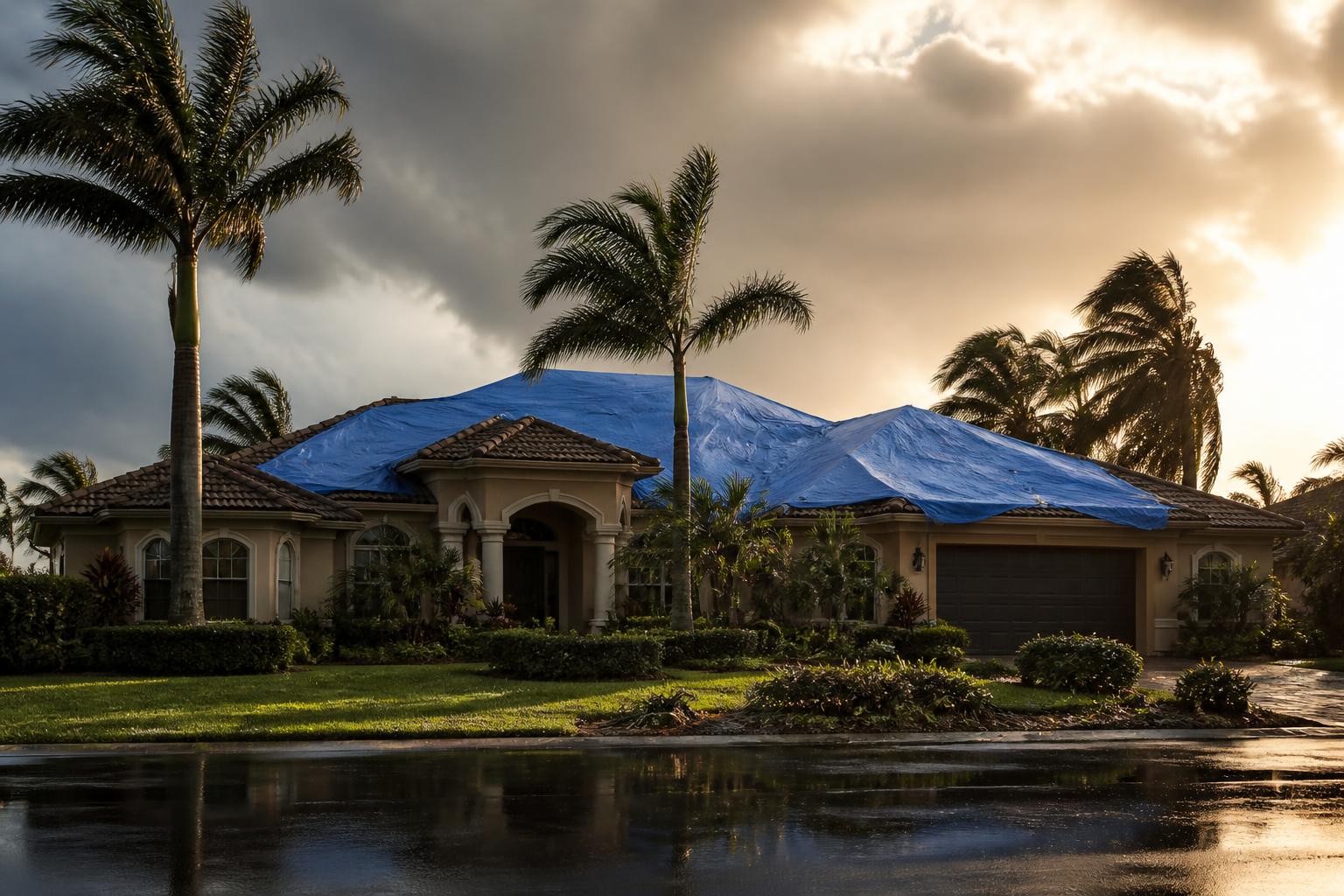
You paid premiums for years, filed a legitimate claim after a hurricane, roof leak, pipe burst, or fire, and the insurance company sent back a denial letter, a reservation-of-rights, or a lowball payment that will not come close to fixing the house. You are not alone. Since Florida's 2022 and 2023 property-insurance reforms, denials, partial denials, and coverage-limits fights have become the default posture for many carriers writing homeowners policies in Miami-Dade. This 2026 guide from The Farber Law Firm in Coral Gables walks you through why Florida homeowners insurance claims get denied, what Fla. Stat. §§ 627.70131, 627.70152, and 624.155 require today, how the post-SB 2A pre-suit process actually works, and the practical steps a policyholder-side attorney takes to reopen or litigate a denied claim. Nothing in this article is legal advice on a specific matter, and prior results do not guarantee any particular outcome.
Quick Answer: What To Do If Your Florida Homeowners Claim Is Denied in 2026
- Read the denial letter carefully and identify every policy provision, exclusion, and statutory basis the insurer cites. Under Fla. Stat. § 626.9541(1)(i), an insurer must give a reasonable written explanation for a denial.
- Preserve everything: photos, videos, damaged materials, receipts, the full policy including endorsements, and every communication with the carrier and its adjuster.
- Confirm the claim deadlines. Under Fla. Stat. § 627.70132, most property-insurance claims must be reported to the insurer within one year of the date of loss (two years for supplemental or reopened claims), and the lawsuit deadline is generally five years under § 95.11(2)(e).
- Before filing suit on most first-party residential or commercial property claims, serve a written pre-suit notice under Fla. Stat. § 627.70152 at least 10 business days before filing.
- If the insurer acted in bad faith, file a Civil Remedy Notice (CRN) with the Florida Department of Financial Services under Fla. Stat. § 624.155 and give the carrier 60 days to cure.
- Talk to a Florida insurance-dispute attorney before you sign a proof of loss, release, or supplemental payment check that could waive additional recovery.
Why Florida Homeowners Insurance Claims Get Denied in 2026
Denials in Miami-Dade rarely come out of nowhere. In our experience representing policyholders, the recurring reasons carriers cite in 2026 include:
- Alleged wear, tear, deterioration, or long-term wind-driven rain excluded from coverage.
- Anti-concurrent-causation clauses used to knock out claims that mix wind and flood damage.
- Roof age, prior repairs, or manufacturer defect arguments used to deny hurricane and wind losses.
- Late notice or failure to comply with post-loss obligations, including the sworn proof of loss and examination under oath (EUO).
- Coverage-form disputes — HO-3 open-perils versus HO-8 or DP-1 named-perils, actual cash value (ACV) versus replacement cost value (RCV) on roofs under Fla. Stat. § 627.7011.
- Alleged material misrepresentation on the application under Fla. Stat. § 627.409.
- Sublimits on mold, water damage, screened enclosures, pool cages, and other structures.
- Deductible disputes, particularly named-storm and hurricane deductibles.
- Managed-repair program disputes where the carrier insists on its own contractor.
None of these are automatic winners for the insurer. Every one of them turns on the policy language, the facts of the loss, and the documentation you and your team develop.
Step 1: Read the Denial Letter Like a Lawyer
A well-written denial letter tells you exactly what the carrier believes and cites the policy provisions it is relying on. Look for four things:
- The specific loss dates, cause of loss, and coverage form cited.
- Every exclusion, endorsement, and policy provision quoted or referenced.
- Any statement that the investigation is closed versus continuing (a reservation-of-rights is not a final denial).
- Any deadline the insurer imposes for supplemental documentation, EUO, or appraisal demand.
If the letter is vague — for instance, it denies without identifying any provision or fact — that itself is a potential violation of Fla. Stat. § 626.9541(1)(i)(3)(f), Florida's Unfair Claim Settlement Practices Act.
Step 2: Preserve the Loss and the Paper Trail
The best time to document a Miami property loss is before repairs begin. Even after a denial, preservation still matters:
- Photograph every damaged room, roof slope, elevation, and building system in wide, medium, and close-up shots.
- Keep damaged materials — shingles, drywall, cabinetry, flooring — in a garage or shed until your attorney or engineer inspects them.
- Save every text, email, voicemail, and portal message with the carrier, its field adjuster, its desk adjuster, and any managed-repair contractor.
- Request the complete claim file, activity log, and estimate in writing.
- Pull the full declarations page, policy jacket, and every endorsement — not just the summary.
Step 3: Know the Deadlines Under Florida Law
Florida's property-insurance statutes are unforgiving on timing. In 2026, the most important dates are:
- Notice of claim: within one year of the date of loss for a new or reopened claim, and within 18 months for a supplemental claim, under Fla. Stat. § 627.70132.
- Lawsuit deadline: generally five years from breach of the insurance contract under Fla. Stat. § 95.11(2)(e). Do not assume the five years runs from the date of loss — it usually runs from the date of denial or partial payment.
- Hurricane and windstorm supplemental claims: same deadlines as above; some older policies contain additional contractual limitations that may or may not be enforceable.
- Appraisal demand: governed by the policy, and often waived if the insured files suit without first invoking appraisal when the dispute is purely about amount of loss.
- Civil Remedy Notice cure period: 60 days after the CRN is filed on the DFS portal, per Fla. Stat. § 624.155(3).
Missing any of these can permanently end the claim.
Step 4: The Pre-Suit Notice Under Fla. Stat. § 627.70152
Since 2021, and as refined by SB 2A in December 2022, most first-party residential and commercial property-insurance lawsuits require a written pre-suit notice served through the Florida Department of Financial Services (DFS) portal at least 10 business days before filing suit. Under Fla. Stat. § 627.70152, the notice must:
- Identify the insured, the policy, the claim number, and the alleged acts or omissions of the insurer.
- State the amount in dispute and the amount claimed.
- Include a pre-suit settlement demand and, in appropriate cases, an itemized damage estimate or a description of the disputed coverage issue.
- Be served by the insured or their attorney; the insurer then has 10 business days to respond with an offer to pay the disputed amount, an offer to invoke appraisal or another dispute-resolution method, or a demand for an inspection.
The pre-suit notice is a substantive condition, not a formality. A defective or missing notice can result in dismissal without prejudice and, in some situations, a loss of the ability to refile before the statute of limitations runs.
Step 5: Bad Faith and the Civil Remedy Notice Under § 624.155
Florida law distinguishes between breach of contract (the insurer owes money under the policy) and bad faith (the insurer handled the claim unfairly). To pursue a statutory first-party bad-faith case, the insured must file a Civil Remedy Notice on the DFS portal under Fla. Stat. § 624.155 identifying the specific statutory violations (typically §§ 624.155(1)(b), 626.9541, and 626.9744), the facts, and the amount needed to cure. The carrier then has 60 days to cure. If it does not, and a jury or court later determines that the insurer acted in bad faith, the policyholder may recover damages beyond policy limits, including consequential damages and, in appropriate cases, attorney's fees under Fla. Stat. § 624.155(4).
Important 2023 change: HB 837 repealed the general one-way attorney-fee statute for insurance cases (former § 627.428) and modified § 626.9373 for surplus lines. Fee recovery in most 2026 property cases now depends on § 624.155 bad-faith outcomes, statutory offers of judgment under § 768.79, or contractual fee provisions — a critical planning point that changes case strategy from the very first demand.
Step 6: Appraisal — When It Helps and When It Hurts
Most Florida homeowners policies contain an appraisal clause that lets either party demand a binding valuation of the amount of loss (not coverage) by two appraisers and, if they disagree, a neutral umpire. Appraisal is powerful when the dispute is truly about scope and price — for example, whether the roof needs full replacement or partial repair. Appraisal is a trap when:
- The real fight is coverage (exclusion, causation, late notice, misrepresentation).
- The insurer is trying to lock you into a low umpire pool.
- Key evidence (moisture testing, engineering) has not yet been developed.
A policyholder-side attorney evaluates whether to invoke, agree to, or resist appraisal on a claim-by-claim basis.
Common Miami-Dade Scenarios in 2026
Hurricane and Windstorm Denials
After named storms hit South Florida, carriers frequently pay the ACV of a roof, dispute interior water damage as long-term leak, and blame the loss on wear or manufacturer defect. Rebuttal typically requires a licensed engineer or roofer report, weather data (NOAA, NWS), and matching-materials analysis under Fla. Stat. § 626.9744.
Water Losses and Sudden Pipe Bursts
HO-3 policies generally cover sudden and accidental discharge of water but exclude constant or repeated seepage over 14 days or more. The carrier's investigation often turns on plumbing camera footage, leak-detection reports, and the age of the failed component. Sublimits for water damage from plumbing (often $10,000) are common in post-2022 Florida forms and must be checked line by line.
Roof-Age and Managed-Repair Fights
Under Fla. Stat. § 627.7011(3), insurers may offer ACV settlements on roofs older than a specified age, and many policies now include a Roof Deductible Schedule. Managed-repair endorsements let the carrier steer the insured to an in-network contractor, which can create a genuine dispute about scope, code compliance, and matching.
Condominium and Association Claims
Miami-Dade condos face a distinct statutory scheme under Chapters 718 and 627 of the Florida Statutes. Association claims typically involve building-wide damage, loss assessments on unit owners, and post-Champlain Towers structural-integrity scrutiny under Fla. Stat. § 553.899. See our page on condominium association property damage claims for how the board fiduciary duties interact with the pre-suit notice process.
Fire, Smoke, and Vandalism
Fire losses draw heightened scrutiny, EUO demands, and cause-and-origin investigations. Insurers sometimes deny under § 627.409 misrepresentation theories tied to the application. These cases turn on the origin-and-cause report, arson-investigator findings, and the completeness of the sworn proof of loss.
When To Hire a Florida Insurance-Dispute Attorney
You do not need a lawyer for every claim. You should strongly consider one when:
- The claim is denied in whole or in part.
- The carrier has demanded an EUO, sworn proof of loss, or extensive supplemental documentation.
- The carrier has invoked, or you are considering, appraisal.
- The estimate is significantly lower than independent contractor bids.
- The insurer is missing the 60-day or 90-day payment windows under Fla. Stat. § 627.70131.
- You suspect bad faith, unreasonable delay, or misrepresentation of policy language.
A policyholder-side attorney typically works on a contingency arrangement so there is no out-of-pocket cost to start the case. Because HB 837 changed fee-shifting, engagement letters in 2026 look different than they did before March 24, 2023 — get them in writing and read them.
What The Farber Law Firm Does on a Denied Miami Claim
As a Coral Gables trial firm founded in 1995 with prior insurance-industry experience, we approach a denied Florida homeowners claim by:
- Auditing the full policy, endorsements, and claim file for coverage arguments the carrier missed or ignored.
- Retaining licensed engineers, roofers, plumbers, and cause-and-origin experts as needed.
- Serving a compliant § 627.70152 pre-suit notice with a documented settlement demand.
- Filing a Civil Remedy Notice under § 624.155 when the facts support a bad-faith path.
- Litigating in Miami-Dade Circuit Court or federal court where diversity or interpleader is proper.
- Coordinating parallel claims — flood (NFIP or private), auto, umbrella — when the loss crosses coverage lines.
Every case is evaluated on its own facts. We do not promise outcomes; we promise a strategy grounded in the current statute, your policy, and your loss.
Related Reading From Our Blog
- How to Handle an Insurance Dispute in Florida
- Bad Faith Insurance Florida: 2026 Guide
- Attorney's Fees in Insurance Claim Cases and Assignment of Benefits
- 6 Essential Water Damage Insurance Claim Tips
- What Can Be Done To Prevent or Minimize Water Damage
Final Word
A denial letter is not the end of the claim. In 2026 Florida, it is the start of a defined statutory process — pre-suit notice, CRN, appraisal (sometimes), and litigation — with deadlines that will not wait. If your Miami-Dade or South Florida homeowners insurance claim has been denied, delayed, or underpaid, contact The Farber Law Firm in Coral Gables for a free, confidential case review before you sign anything the carrier sends you.
Frequently Asked Questions
How long do I have to sue my Florida insurance company after a denial in 2026?
Under Fla. Stat. § 95.11(2)(e), the general statute of limitations for a property-insurance breach-of-contract claim is five years, typically measured from the date of the breach (often the denial or partial payment), not the date of loss. Some policies contain shorter contractual limitations that may or may not be enforceable, so confirm the exact deadline with counsel before relying on it.
Do I have to file a pre-suit notice before suing my homeowners insurer?
Yes, in most first-party residential and commercial property cases. Fla. Stat. § 627.70152 requires a written notice served through the DFS portal at least 10 business days before filing suit, identifying the disputed amount and providing a settlement demand. A defective or missing notice can result in dismissal.
What is a Civil Remedy Notice and when should I file one?
A Civil Remedy Notice (CRN) is a formal filing on the Florida Department of Financial Services portal that identifies specific statutory violations by the insurer under Fla. Stat. § 624.155 and gives the carrier 60 days to cure. It is a prerequisite to a statutory first-party bad-faith case and should be considered whenever the carrier's conduct appears unreasonable, not merely wrong.
Can I still recover my attorney's fees from the insurer in a 2026 Florida property case?
Not automatically. HB 837 repealed the general one-way fee statute (former § 627.428) for most insurance cases as of March 24, 2023. Fee recovery today typically depends on § 624.155 bad-faith outcomes, statutory offers of judgment under § 768.79, contractual fee provisions, or specific declaratory-judgment procedures. Discuss fee strategy at intake.
Should I invoke appraisal or file a lawsuit?
It depends on whether the real dispute is about the amount of loss (appraisal can work) or about coverage, causation, exclusions, or bad faith (appraisal usually will not resolve it and can waive rights). A policyholder-side attorney evaluates the policy language and the facts before recommending either path.
Is it too late to reopen my hurricane claim from a prior year?
Maybe not. Supplemental or reopened claims generally must be reported within 18 months of the date of loss under Fla. Stat. § 627.70132, and the lawsuit deadline is generally five years from breach. Older claims may still be viable depending on the timing of the denial and the specific policy — do not assume the claim is dead until an attorney reviews the file.
Have a similar situation?
Free, confidential case review with a South Florida trial attorney. Call 8888-FARBER.
Request a Free ConsultationAbout the Author
The Farber Law Firm, P.A.
The Farber Law Firm is a South Florida trial practice based in Coral Gables, representing injured people, policyholders and businesses across Miami-Dade, Broward and Palm Beach counties since 1995. The firm handles personal injury, wrongful death, insurance coverage disputes and commercial litigation, and its attorneys are members in good standing of The Florida Bar.
Articles on this site are written and reviewed by attorney David Farber and reflect Florida statutes, court rules and Florida Bar regulations current as of the publication date.
- Office
- 2199 Ponce de Leon Blvd #301
Coral Gables, FL 33134 - Phone
- 8888-FARBER
- Consultations
- Free and confidential