Commercial Property and Business Damage Insurance Claims
Business interruption, extra expense, and coordinated property damage claims require a different playbook than residential losses.
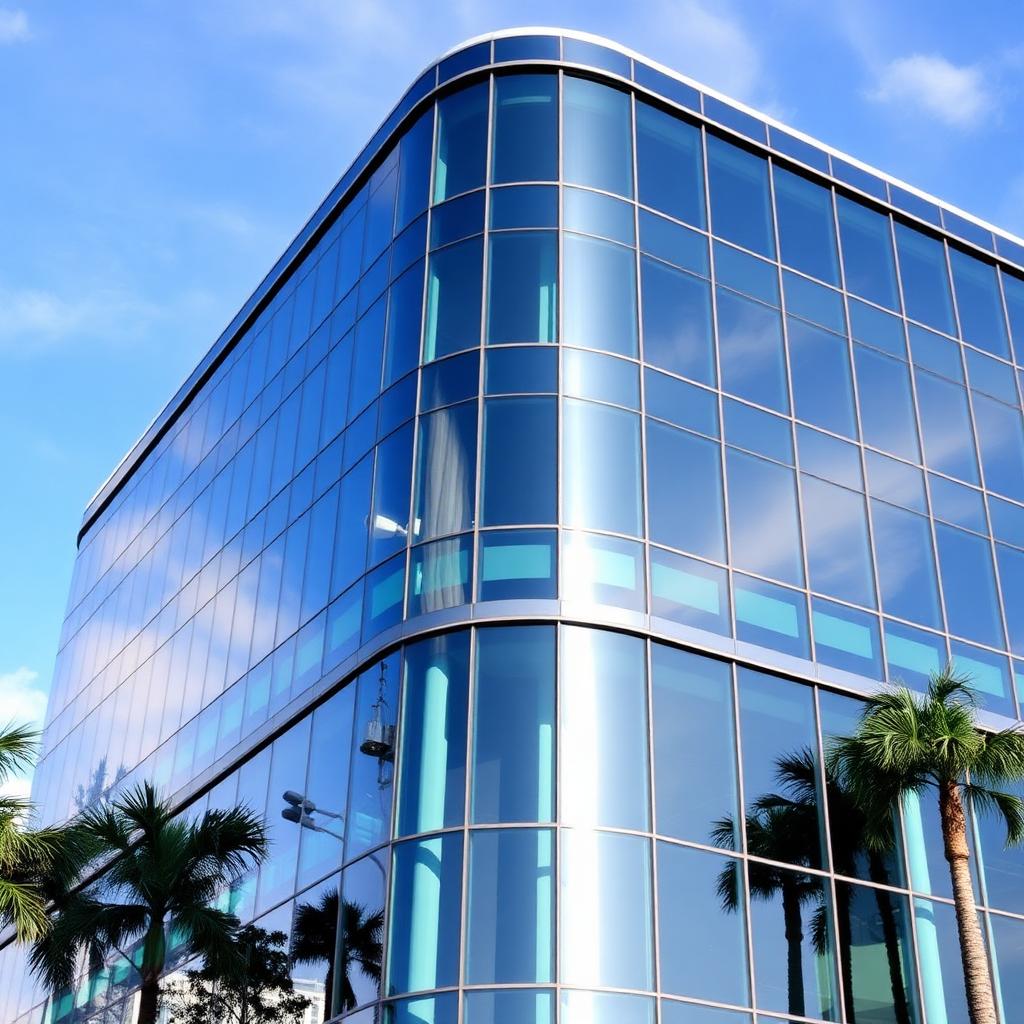
When a fire, hurricane, flood, equipment breakdown, or other covered peril damages a commercial property in South Florida, the financial consequences extend far beyond the cost of repairing the building and replacing equipment. A business may be forced to close entirely or significantly reduce operations, losing revenue every day that the property sits damaged or under repair. Commercial property insurance and business interruption (BI) coverage are designed to bridge this gap — but in practice, commercial insurance claims are among the most complex and hotly contested in Florida's already challenging insurance landscape. This comprehensive guide explains how commercial property and business interruption claims work in Florida in 2026, what legal protections exist for policyholders, and how to maximize recovery when an insurer disputes or underpays your claim.
Understanding Commercial Property Insurance Policies
Commercial property insurance policies differ significantly from residential homeowners policies in their structure, exclusions, and coverage options. Most commercial policies are written on an 'open perils' (also called 'all-risk') or 'named perils' basis. Open perils policies cover all causes of loss not specifically excluded; named perils policies cover only the specific causes listed. The distinction matters enormously: a fire that spreads due to an equipment malfunction may be covered under an open perils policy but not under a named perils form that lists 'fire' but not 'equipment breakdown.' Endorsements for flood, earthquake, windstorm, and business interruption must typically be purchased separately and have their own sublimits and conditions.
Business Interruption Coverage: The Hidden Lifeline
Business Interruption (BI) insurance — also called Business Income coverage — is one of the most valuable and least understood components of a commercial property policy. BI coverage reimburses a business for lost net income and continuing fixed expenses (rent, payroll, loan payments, utilities) during the period of restoration — the time reasonably required to repair or replace damaged property. The scope and calculation of BI losses is highly technical: insurers and policyholders frequently dispute the length of the period of restoration, the appropriate baseline income period, the treatment of seasonal fluctuations, and which continuing expenses are covered. In South Florida, where businesses in tourism, hospitality, retail, and real estate are highly seasonal, these disputes can involve very large sums.
Extra Expense Coverage
Extra Expense coverage, often paired with BI coverage, reimburses a business for reasonable expenses above normal operating costs that are incurred to minimize the suspension of operations or to continue operating from a temporary location during the restoration period. Examples include costs of renting temporary premises, expedited shipping of replacement equipment, overtime labor for expedited repairs, and data recovery. The key limit on Extra Expense recovery is reasonableness — insurers will scrutinize claimed expenses and may challenge costs they deem unnecessary or excessive. Maintaining detailed contemporaneous records of every extra expense with supporting receipts and invoices is critical to full recovery.
The Period of Restoration: A Critical and Contested Concept
BI coverage runs for the 'period of restoration' — defined in most policies as the time it reasonably should take to repair or replace the damaged property with due diligence and dispatch, not the time it actually takes. This distinction creates disputes: if contractor delays, permit backlogs, material shortages, or supply chain disruptions (all common in post-hurricane South Florida) extend the actual repair timeline, the insurer may argue that BI should stop at an earlier, hypothetical date. Conversely, policyholders argue that South Florida's genuine construction and supply challenges justify a longer restoration period. An experienced attorney can present contractor testimony, permit records, and market evidence to support a longer, accurate restoration period.
Florida's Post-Reform Commercial Insurance Landscape
SB 2A (2022) and HB 837 (2023) altered the commercial property insurance dispute landscape significantly. The elimination of one-way attorney's fees under § 627.428 applies to commercial policyholders as well as residential ones. The pre-suit notice requirement under Fla. Stat. § 627.70152 applies to commercial property insurance disputes. The 1-year initial notice and 18-month supplemental claim deadlines under § 627.70132 apply to commercial claims as well. Commercial policyholders must also be aware that the HB 837 modification of comparative negligence (§ 768.81's 50% bar) applies in first-party bad faith litigation and general tort contexts relevant to commercial disputes.
Common Causes of Commercial Property Losses in South Florida
Miami-Dade and Broward County businesses face a unique combination of perils that drive commercial property claims: - Hurricanes and tropical storms causing wind damage, roof losses, and flooding - Water damage from plumbing failures, roof leaks, and HVAC condensate issues - Fire and smoke damage in commercial kitchens, warehouses, and industrial facilities - Electrical surges and equipment breakdown in data centers, hotels, and medical offices - Vandalism and theft, particularly in commercial districts during storm evacuations - Sinkhole activity, particularly in areas with limestone geology - Mold and indoor air quality damage following water intrusion events
Conducting a Proper Commercial Property Damage Assessment
A thorough commercial property damage assessment requires more than a walk-through by an insurance adjuster. Complex commercial losses typically demand: a structural engineering analysis of any damaged building components; a mechanical/electrical/plumbing (MEP) assessment of systems damage; a forensic accountant's analysis of business income loss; an appraisal or cost estimator for contents and equipment replacement; and potentially an environmental assessment for mold or hazardous materials. Insurers send their own experts; you should retain yours. The difference between a carrier-side estimate and an independent expert's assessment can be enormous in commercial cases, where replacement costs for specialized equipment and fit-out can run into the millions.
Ordinance or Law Coverage in Commercial Policies
Florida's aggressive building code update cycle — particularly in South Florida after lessons learned from Hurricane Andrew and subsequent storms — means that repairing or reconstructing a commercial building often requires bringing the entire structure up to current building codes, not just restoring it to its pre-loss condition. Ordinance or Law coverage in your commercial policy pays for: demolition of undamaged portions of the building (Coverage A); increased cost of construction due to code compliance (Coverage B); and loss of business income during the extended period needed for code-compliant reconstruction (Coverage C). Without adequate Ordinance or Law coverage, a commercial property owner can face six- and seven-figure gaps between the insurer's payment and the actual cost of code-compliant reconstruction.
Prompt Notice and Cooperation Requirements in Commercial Claims
Commercial insurance policies impose prompt notice requirements and cooperation obligations as conditions of coverage. Prompt notice must be given after any loss; while Florida's § 627.70132 codifies specific deadlines, individual policy language may impose shorter notice periods. The cooperation clause requires the insured to participate in the insurer's investigation, provide requested documents, submit to an Examination Under Oath (EUO), and produce financial records, including tax returns, profit and loss statements, and general ledgers. Failing to cooperate with reasonable insurer requests can give the carrier grounds to deny coverage. However, 'cooperation' does not require the insured to abandon its rights or provide documents that go beyond the legitimate scope of the claim investigation — an attorney can help identify when insurer document requests exceed proper bounds.
When Your Commercial Claim Is Denied or Underpaid
If your insurer denies your commercial property or BI claim, or if the payment offered is dramatically below your actual losses, you have several options. First, demand the complete claim file and all adjuster reports under Florida's discovery provisions. Second, invoke the policy's appraisal clause if the dispute is about valuation. Third, consider filing a complaint with the Florida Department of Financial Services. Fourth, comply with § 627.70152's pre-suit notice requirement and consider whether bad faith grounds exist under § 624.155. Finally, consult a commercial insurance litigation attorney about filing a declaratory judgment action and breach of contract claim. Commercial claims litigation in South Florida frequently involves significant damages and sophisticated insurers represented by experienced defense counsel — having equally capable legal representation is essential.
Frequently Asked Questions
Q: Does my commercial property policy automatically include Business Interruption coverage? No. Business Interruption coverage is typically a separate component that must be specifically purchased and endorsed onto your commercial property policy. Review your policy declarations to confirm whether BI coverage is included, what its limits are, and whether Extra Expense coverage is also provided. Many business owners discover after a loss that their BI limits are too low or that they have no BI coverage at all.
Q: How is Business Interruption income loss calculated? BI loss is calculated as: net income that would have been earned during the period of restoration, plus continuing normal operating expenses (including payroll for retained employees), minus expenses that do not continue during the suspension. The calculation requires a detailed forensic accounting analysis comparing actual performance during the loss period against projected performance based on prior years, seasonal trends, and industry benchmarks. Disputes over the correct baseline income period and projection methodology are common.
Q: Are COVID-19 business closures covered under Business Interruption policies? Florida and federal courts have largely ruled against policyholders seeking COVID-19 BI coverage, finding that virus-related closures do not constitute 'direct physical loss or damage' to property as required by most policy forms. This litigation wave has largely concluded, but it illustrates how critical careful policy review and negotiation at the time of purchase are to ensuring adequate coverage for future events.
Q: What if my commercial building is condemned after a hurricane — do I get covered for the full replacement cost? If your building sustains major damage and local authorities condemn it, your policy's replacement cost coverage should provide for reconstruction of a comparable building. However, if the condemning authority requires code upgrades that increase construction costs, you will need adequate Ordinance or Law coverage (specifically Coverage B) to recover those increased costs. Without it, you may receive only the actual cash value of the pre-loss building — a potentially crippling shortfall for commercial property owners.
Q: How long do I have to file a commercial property insurance lawsuit in Florida? Under Fla. Stat. § 627.70132, you must provide initial notice within 1 year of the loss and supplemental claims within 18 months. Before suing, you must comply with § 627.70152's pre-suit notice requirement. The general contract statute of limitations under § 95.11(2)(b) is 5 years for written contracts, but policy-specific provisions and the statutory notice deadlines effectively shorten the window. Consult an attorney promptly — do not rely on the outer limitations period.
Key Takeaways
- Commercial property insurance must be specifically reviewed for BI, Extra Expense, and Ordinance or Law coverage — these are not automatic inclusions
- The 'period of restoration' is the most frequently contested element of a Business Interruption claim
- SB 2A eliminated one-way attorney's fees for commercial policyholders as well as residential
- Statutory notice deadlines under § 627.70132 apply: 1 year for initial notice, 18 months for supplemental claims
- Pre-suit notice under § 627.70152 is required before any lawsuit against a commercial property insurer
- Independent engineering, accounting, and appraisal experts are essential to countering insurer-side assessments
- Bad faith remedies under § 624.155 remain available through the Civil Remedy Notice process
Commercial property and business interruption claims in South Florida require sophisticated legal and expert resources to pursue successfully. The Farber Law Firm in Coral Gables represents commercial policyholders throughout Miami-Dade and Broward counties and offers free consultations to businesses that have suffered property damage and income losses. Contact us today to discuss your claim.
This article is for general informational purposes only and does not constitute legal advice. Laws change; consult a licensed Florida attorney about your specific situation.
Frequently Asked Questions
How are commercial property claims different from residential?
They usually involve business interruption coverage, larger deductibles, complex valuation, and heightened proof-of-loss requirements.
What is business interruption coverage?
It reimburses lost income and continuing expenses when a covered property loss forces a business to suspend operations, typically after a waiting period.
How long do I have to file a Florida commercial property claim?
Deadlines depend on the policy and loss type. Hurricane claims still fall under Fla. Stat. § 627.70132, and general breach actions are 5 years under § 95.11(2)(b).
Do I need a public adjuster or attorney?
Public adjusters can quantify loss; attorneys are appropriate when the insurer denies, underpays, delays, or misapplies coverage.
Have a similar situation?
Free, confidential case review with a South Florida trial attorney. Call 8888-FARBER.
Request a Free ConsultationAbout the Author
The Farber Law Firm, P.A.
The Farber Law Firm is a South Florida trial practice based in Coral Gables, representing injured people, policyholders and businesses across Miami-Dade, Broward and Palm Beach counties since 1995. The firm handles personal injury, wrongful death, insurance coverage disputes and commercial litigation, and its attorneys are members in good standing of The Florida Bar.
Articles on this site are written and reviewed by attorney David Farber and reflect Florida statutes, court rules and Florida Bar regulations current as of the publication date.
- Office
- 2199 Ponce de Leon Blvd #301
Coral Gables, FL 33134 - Phone
- 8888-FARBER
- Consultations
- Free and confidential
Florida Legal Insights, in Your Inbox
Subscribe to The Farber Law Firm’s email list for educational articles on Florida injury claims, insurance coverage, and consumer rights.
By subscribing, you request legal insights by email. This is not a consultation request and does not create an attorney-client relationship. Privacy Policy.