How to File a Tornado Insurance Claim in Florida: A 2026 Step-by-Step Guide
Florida tornadoes cause wind, hail, water, and structural damage that insurers often underpay. Here is exactly how to document, file, and fight for the full value of your tornado claim.
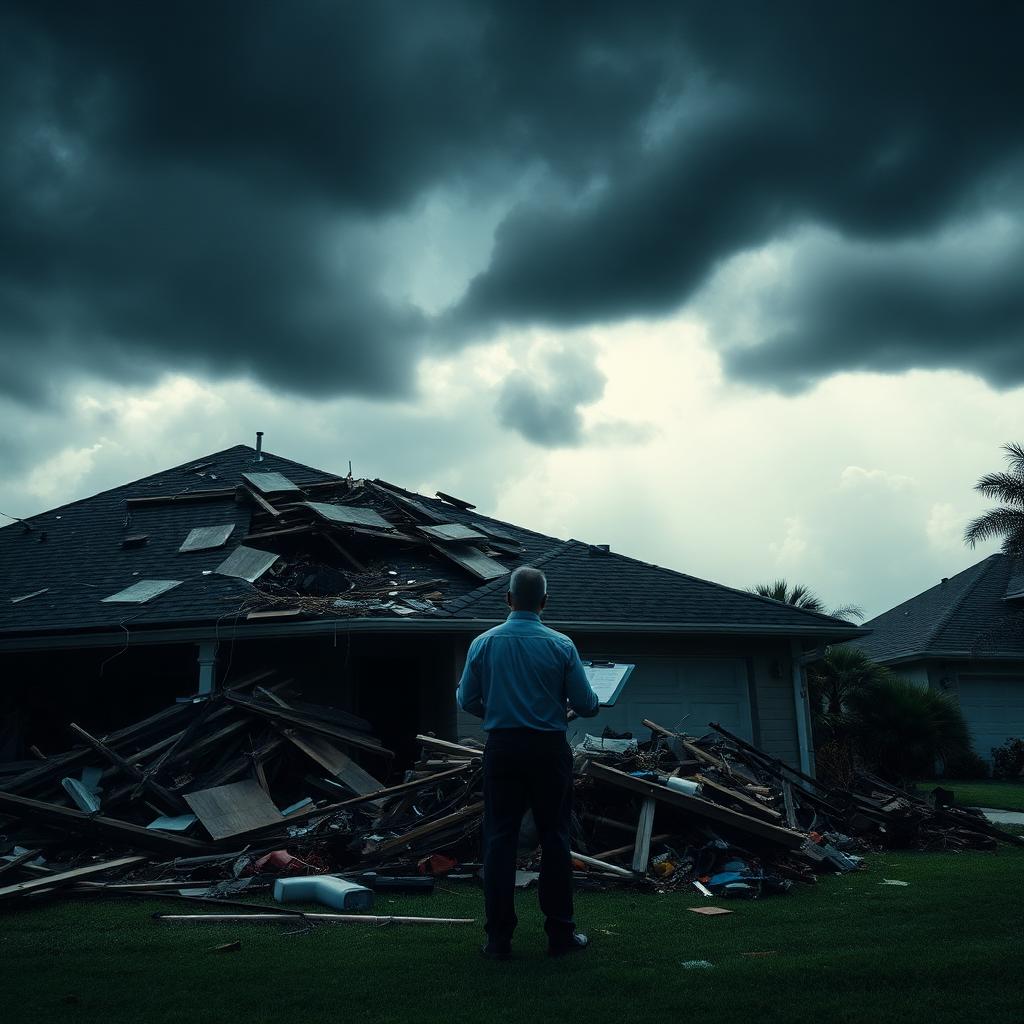
Filing a tornado insurance claim in Florida is one of the most challenging property-claim scenarios homeowners and business owners face. Tornadoes spawned by hurricanes, severe thunderstorms, and waterspouts striking Miami-Dade, Broward, Palm Beach, and the Florida peninsula cause a mix of wind, hail, debris-impact, and water-intrusion damage that insurers routinely dispute, underpay, or deny. Florida's 2022 SB 2A insurance reforms, combined with the strict notice deadlines in Fla. Stat. § 627.70132 and the pre-suit requirements of § 627.70152, make timing and documentation everything. This step-by-step 2026 guide walks Florida property owners through exactly how to file a tornado insurance claim and protect the full value of your loss.
Step 1: Ensure Safety Before Anything Else
Before you photograph a single shingle, make sure everyone is safe. Tornadoes leave behind structural instability, downed power lines, gas leaks, and contaminated water. Do not enter a damaged structure until utilities are shut off and a qualified inspector has cleared it. Call 911 for injuries, FPL or your local utility for live wires, and your gas company for suspected leaks. Move pets and valuables to a secure location. Florida law does not require you to risk your safety to document a claim.
Step 2: Notify Your Insurer Immediately
Florida statute Fla. Stat. § 627.70132 (as amended by SB 2A in 2022) requires that initial notice of a windstorm or hurricane claim be given within 1 year of the date of loss, and any supplemental or reopened claim within 18 months. Tornadoes spawned during a named hurricane fall under the hurricane notice rule; standalone tornadoes are still 'windstorm' losses under most Florida policies and follow the same timeline. Practically, you should notify your insurer within 24-72 hours by phone and follow up in writing (email or certified mail) with a brief description of the damage, photos, and your policy number. Do not wait for the insurer to call you back to start documenting.
Step 3: Document Everything — Before Cleanup
Photograph and video every damaged area from multiple angles before any cleanup or repair, except for temporary measures necessary to prevent further damage (tarping a roof, boarding broken windows). Capture: exterior structural damage; roof, siding, windows, doors, garage; interior ceilings, walls, floors, and contents; HVAC and pool equipment; fences, sheds, outbuildings, and landscaping; vehicles and personal property. Create a written inventory of damaged personal property with estimated replacement cost — Florida policies typically pay actual cash value (ACV) initially and depreciation upon proof of replacement (Replacement Cost Value, RCV). Keep all receipts for temporary repairs, lodging, food, and other Additional Living Expenses (ALE).
Step 4: Make Reasonable Temporary Repairs
Florida policies impose a duty to mitigate further damage under standard 'duties after loss' provisions. Tarp the roof, board windows, dry out wet areas, and remove standing water — but do not begin permanent repairs until the adjuster has inspected. Save receipts and photograph each temporary measure. Mitigation costs are reimbursable under most Florida HO-3 policies. Failure to mitigate can give the insurer grounds to reduce or deny a claim.
Step 5: Request a Certified Copy of Your Policy
Under Fla. Stat. § 627.4137, you can request a certified copy of your complete policy from your insurer, who must provide it within 30 days. Most homeowners only have the declarations page and never see the actual policy form. The full policy reveals critical details: named windstorm deductible (often 2%, 5%, or 10% of Coverage A), separate hurricane deductible, ordinance-or-law coverage limits, ALE limits, and exclusions for wear-and-tear, mold, and flood (flood is never covered by a standard HO-3 — only by NFIP or private flood policies).
Step 6: Understand Your Deductibles
Florida policies typically apply a separate hurricane or windstorm deductible expressed as a percentage of dwelling coverage. For a $400,000 dwelling with a 5% hurricane deductible, you pay the first $20,000 out of pocket before the insurer pays a dollar. If the tornado is part of a named hurricane (as declared by the National Weather Service), the hurricane deductible applies. If it is a standalone tornado, the all-other-perils (AOP) deductible — often $1,000 to $5,000 — usually applies. Check your declarations page carefully.
Step 7: Cooperate With the Insurer's Adjuster — But Get Your Own Estimate
Florida policies require you to cooperate with the insurer's investigation, including providing a sworn proof of loss, examination under oath (EUO), and access to inspect the property. However, you are entitled to your own independent estimate. Hire a licensed Florida general contractor or public adjuster (licensed under Ch. 626) to inspect the damage and produce a Xactimate or similar line-item estimate. Public adjusters in Florida cannot charge more than 10% of the claim payment on hurricane claims within the first year (Fla. Stat. § 626.854(11)(b)) and 20% on other claims.
Step 8: Beware of Lowball Initial Offers
Florida insurers frequently issue an initial payment based on the field adjuster's estimate that grossly underestimates the full scope of damage — hidden water intrusion behind walls, compromised roof decking, damaged trusses, mold, and code-upgrade costs. Cashing the check does not waive your right to pursue the balance, but you should formally reject the offer in writing and submit your own estimate. Florida law allows supplemental claims within 18 months under § 627.70132.
Step 9: Invoke Appraisal If You Disagree on Amount
If you and your insurer agree that there is a covered loss but disagree on the amount, most Florida HO-3 policies contain an appraisal clause: each side picks an appraiser, the two appraisers pick an umpire, and a majority award is binding on amount. Appraisal is faster and cheaper than litigation but does not resolve coverage disputes (such as wind-vs.-flood causation). Invoke appraisal in writing.
Step 10: Pre-Suit Civil Remedy Notice Under § 627.70152
Before suing a Florida property insurer for an underpaid or denied claim, you must file a Notice of Intent to Initiate Litigation under Fla. Stat. § 627.70152 (enacted 2021, refined post-SB 2A). The insurer has 10 business days to respond and 60 days to make a written settlement offer or pay the disputed amount. Filing the notice tolls the statute of limitations during the response period. Skipping this step is grounds for dismissal. An experienced Florida insurance dispute attorney should draft and serve the notice.
Step 11: Lawsuits and Attorney's Fees Post-SB 2A
Senate Bill 2A (effective December 16, 2022) eliminated the one-way attorney's fee statute (former Fla. Stat. § 627.428) for most property insurance claims. Plaintiffs can no longer automatically recover attorney's fees from insurers in residential property cases initiated after that date — fees are now only available under specific bad-faith statutes (Fla. Stat. § 624.155) or contractual fee provisions. This has changed the litigation calculus dramatically, but a strong case with clear documentation and pre-suit compliance can still produce a full recovery.
Common Reasons Florida Tornado Claims Are Denied or Underpaid
Florida insurers commonly cite the following grounds: wear-and-tear or pre-existing damage; failure to mitigate; late notice; lack of an emergency-medical-condition-style EMC for water damage; exclusions for cosmetic damage; flood-vs.-wind causation disputes; and policy lapses for non-payment. Each of these can be challenged with proper documentation, expert reports, and engineering analysis — but only if the policyholder acts within the statutory windows.
Frequently Asked Questions
How long do I have to file a tornado insurance claim in Florida? You must give initial notice within 1 year of the date of loss under Fla. Stat. § 627.70132. Supplemental claims must be filed within 18 months.
Does my standard Florida homeowner's policy cover tornado damage? Yes — wind damage from a tornado is a covered peril under standard HO-3 policies. Flood damage from associated storm surge or rising water is NOT covered unless you carry NFIP or private flood insurance.
What is the difference between ACV and RCV? Actual Cash Value is replacement cost minus depreciation. Replacement Cost Value is full replacement without depreciation, paid upon proof that you actually replaced the property. Most Florida policies pay ACV first and the depreciation holdback upon completion.
Should I hire a public adjuster or an attorney? Public adjusters are best for straightforward valuation disputes. Attorneys are essential when the insurer denies coverage, alleges fraud, invokes EUO, or after a § 627.70152 notice has not produced a fair offer.
Can the insurer cancel my policy because I filed a tornado claim? Florida law restricts mid-term cancellations and post-loss non-renewals for hurricane claims (Fla. Stat. § 627.4133), but insurers can non-renew at the end of the policy period for various reasons. An attorney can challenge improper cancellation.
Key Takeaways
- Notify the insurer within days — initial notice deadline is 1 year (Fla. Stat. § 627.70132); supplemental claims within 18 months
- Photograph and inventory damage before any cleanup beyond emergency mitigation
- Request your complete certified policy under Fla. Stat. § 627.4137
- Hurricane/windstorm deductibles are percentage-based and can be $10,000+ on a Florida home
- Get your own contractor or public adjuster estimate — never rely on the field adjuster's number alone
- File a § 627.70152 pre-suit notice before any lawsuit; skipping it is grounds for dismissal
- SB 2A eliminated one-way attorney's fees for most residential property claims after December 16, 2022
If your Florida tornado claim has been denied, underpaid, or delayed, The Farber Law Firm represents policyholders across Miami-Dade, Broward, Palm Beach, and the entire state. Call 8888-FARBER for a free claim review.
This article is for general informational purposes only and does not constitute legal advice. Insurance coverage depends on the specific policy language and facts of each claim; consult a licensed Florida insurance attorney.
Frequently Asked Questions
Is tornado damage covered by Florida homeowners insurance?
Yes. Wind damage from tornadoes is generally covered under standard HO-3 policies, subject to hurricane vs. all-other-perils deductibles.
How long do I have to file a tornado claim in Florida?
Standard property claims must be reported within the policy's prompt-notice period. For hurricane-related tornadoes, Fla. Stat. § 627.70132 applies (1 year initial, 18 months supplemental).
What if my insurer blames wear and tear?
Independent engineering reports and dated photos help isolate tornado-caused damage from pre-existing conditions.
Do I need flood insurance for tornado-related flooding?
Yes. Standard policies exclude flood — you need NFIP or private flood coverage for rising water.
Have a similar situation?
Free, confidential case review with a South Florida trial attorney. Call 8888-FARBER.
Request a Free ConsultationAbout the Author
The Farber Law Firm, P.A.
The Farber Law Firm is a South Florida trial practice based in Coral Gables, representing injured people, policyholders and businesses across Miami-Dade, Broward and Palm Beach counties since 1995. The firm handles personal injury, wrongful death, insurance coverage disputes and commercial litigation, and its attorneys are members in good standing of The Florida Bar.
Articles on this site are written and reviewed by attorney David Farber and reflect Florida statutes, court rules and Florida Bar regulations current as of the publication date.
- Office
- 2199 Ponce de Leon Blvd #301
Coral Gables, FL 33134 - Phone
- 8888-FARBER
- Consultations
- Free and confidential
Florida Legal Insights, in Your Inbox
Subscribe to The Farber Law Firm’s email list for educational articles on Florida injury claims, insurance coverage, and consumer rights.
By subscribing, you request legal insights by email. This is not a consultation request and does not create an attorney-client relationship. Privacy Policy.