How to Handle Denial of Hurricane Damage Claims in Florida
Learn the critical steps every Florida homeowner should take after an insurer rejects a hurricane or windstorm claim.
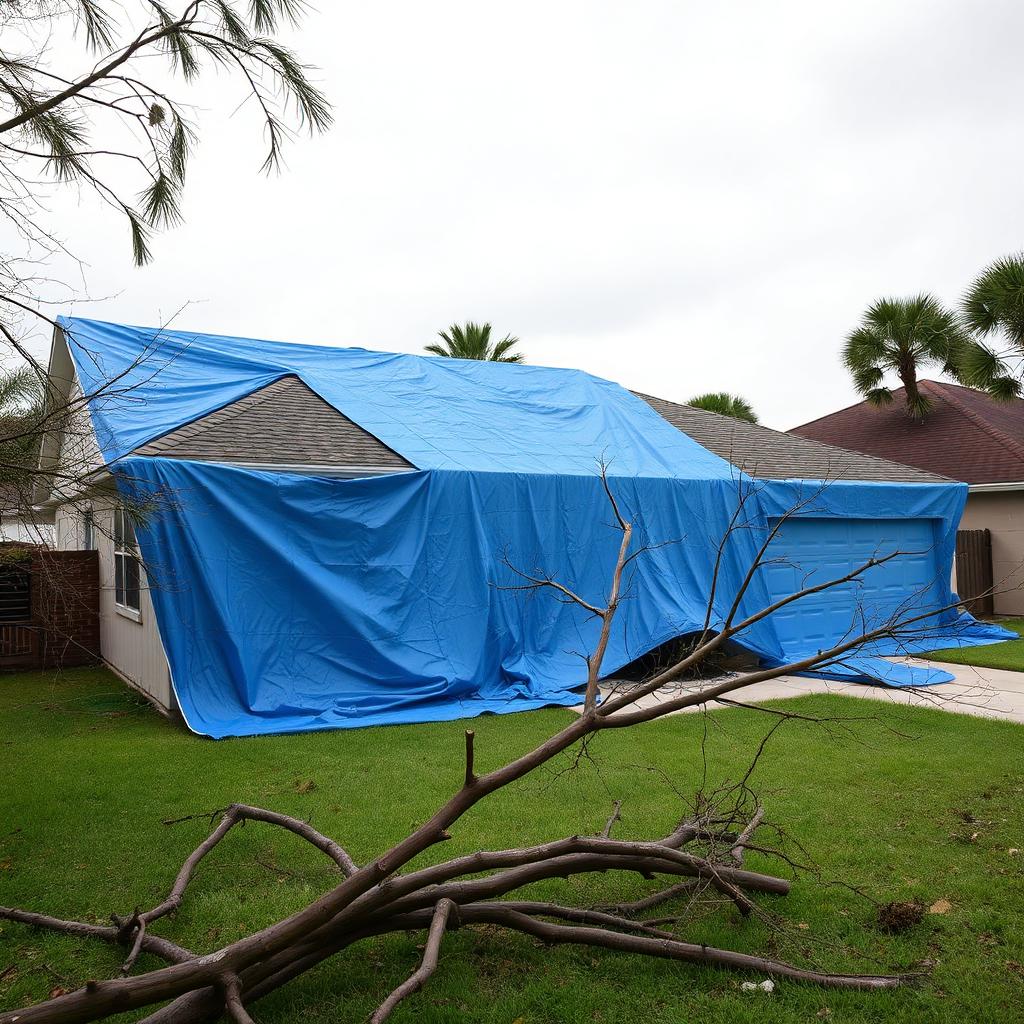
Receiving a denial letter from your homeowner's insurer after a hurricane strikes your Miami-Dade or Broward home can feel devastating — especially when you can see the damage with your own eyes and know what the storm cost you. But a claim denial is not the end of the road. In Florida, policyholders have meaningful legal rights and multiple avenues to challenge a wrongful or improper denial of hurricane damage claims. Understanding those rights, the reformed legal landscape under recent Florida legislation, and the specific steps to take after receiving a denial is essential for any Florida homeowner in 2026.
Florida's Hurricane Insurance Claim Framework After SB 2A and HB 837
The past few years have brought significant changes to Florida's property insurance legal environment. Senate Bill 2A (2022) and related legislation tightened claim filing deadlines, restricted Assignment of Benefits, eliminated one-way attorney's fees for most property insurance disputes, and mandated pre-suit notice procedures. HB 837 (2023) further reformed litigation rules, including modifying comparative fault standards. These reforms were largely designed to curb insurance litigation abuse, but they have also created new procedural hurdles for legitimate claimants. Understanding the current framework is essential before taking any action on a denied hurricane claim.
Common Reasons Insurers Deny Hurricane Damage Claims
Florida insurers deny hurricane claims for a variety of reasons, some legitimate and many that are legally questionable. The most common denial grounds include: (1) late notice of loss — the insurer argues you failed to report within required timeframes; (2) the one-year initial claim deadline under Fla. Stat. § 627.70132 was missed; (3) the insurer attributes the damage to flooding or storm surge rather than wind (often a contentious distinction); (4) the insurer claims the damage resulted from pre-existing deterioration, deferred maintenance, or wear and tear rather than the hurricane; (5) the insurer applies a hurricane deductible that reduces the net payable amount below the estimated repair cost; and (6) the insurer asserts the loss is below the deductible threshold. Each of these grounds can be challenged.
Wind Versus Water: The Single Most Contested Dispute in Hurricane Claims
After a major hurricane, the most frequently litigated coverage dispute in Florida is whether damage was caused by wind (covered under standard homeowner policies) or flooding and storm surge (covered only under separate flood policies). Insurance companies sometimes engage forensic engineers or meteorologists to support a flood-causation theory even when wind damage is evident. If your insurer is attributing damage to flood rather than wind without adequate basis, you have the right to challenge that determination with your own expert evidence. A licensed structural engineer, meteorologist, or roofing expert who inspects your property and reviews weather data for the specific storm can provide critical counter-evidence. Courts have frequently sided with policyholders when the insurer's flood attribution is not well-supported by the physical evidence.
Step One: Review the Denial Letter Carefully
When you receive a denial, read it word by word. The denial letter should specify the exact reason or reasons for the denial, including the specific policy provision or exclusion the insurer is relying on. Request the full claim file — including the adjuster's field notes, the internal estimate, any engineer or consultant reports, and all photographs taken by the insurer's representatives — through a written request. In Florida, you generally have the right to access these materials as part of your claims file. Understanding precisely why the claim was denied tells you exactly what you need to rebut.
Step Two: Obtain Your Own Expert Inspections
The insurer's adjuster inspected your property on behalf of the insurer. Now it is time to get your own independent assessments. Hire a Florida-licensed public adjuster to prepare an independent damage estimate and scope of loss. Depending on the nature of the dispute, also consider retaining a licensed structural engineer (to assess structural damage and cause), a roofing expert (to evaluate wind-specific damage patterns), and potentially a meteorologist (to document storm conditions at your property's specific location during the hurricane). These experts' written reports become the evidentiary foundation of your claim challenge and any subsequent legal proceeding.
Step Three: Document Supplemental Damage and Resubmit
If additional damage has been discovered since your initial claim — additional water intrusion, mold growth, structural settling — and you are within the 18-month supplemental claim deadline under § 627.70132, document and submit a supplemental claim in writing. Supplement your original documentation with your independent experts' reports, updated contractor estimates, and any additional photographic evidence. Send everything to your insurer via certified mail or a method that provides a timestamped delivery confirmation. Request written acknowledgment of receipt and a new coverage determination.
Step Four: Invoke the Appraisal Clause
If the dispute is about the dollar amount of your loss — rather than whether the loss is covered at all — most Florida homeowner policies include an appraisal provision. Either party may invoke appraisal: each side selects a competent independent appraiser, and those two appraisers jointly select an umpire. The appraisers assess the loss, and if they disagree, the umpire's decision (with at least one appraiser's agreement) is binding. Appraisal is faster and less expensive than litigation and can be effective when your insurer acknowledges coverage but disputes the damage amount. Note that appraisal does not resolve coverage disputes — for example, whether wind or water caused the damage.
Step Five: Serve Pre-Suit Notice Under § 627.70152
Before filing a lawsuit against your property insurer in Florida, you must comply with the mandatory pre-suit notice procedures under Fla. Stat. § 627.70152. This requires sending written notice to the insurer and the Florida Department of Financial Services at least 10 business days before filing suit (for non-hurricane residential property claims; check the current statute for any hurricane-specific provisions). The notice must identify the alleged violations and the specific amount in dispute. The insurer then has an opportunity to respond, pay, or cure the identified deficiency. Missing or improperly executing this notice requirement can result in your lawsuit being dismissed.
Filing a Lawsuit: What to Expect
If pre-suit efforts fail, filing a civil action against your insurer may be necessary. Florida civil courts handle property insurance disputes regularly. In your lawsuit, you will need to establish: (1) you had a valid policy in effect; (2) a covered loss occurred; (3) you complied with all policy conditions (timely notice, cooperation, etc.); (4) the insurer failed to pay what it owed. Note that as of 2023, one-way attorney's fees under § 627.428 are no longer available in most residential property insurance disputes, which affects the economics of litigation. Fee awards under other theories — including bad faith — remain possible. Discuss fee structures with your attorney before filing.
Bad Faith Claims Under Florida Statute § 624.155
If your insurer denied your hurricane claim without adequate investigation, misrepresented policy terms, failed to pay a valid claim within a reasonable time, or otherwise handled your claim in a manner that was not in good faith, you may have a bad faith cause of action under Fla. Stat. § 624.155. To pursue this claim, you must first file a Civil Remedy Notice (CRN) with the Department of Financial Services and give the insurer 60 days to cure the violation. If the insurer cures, the bad faith case typically ends. If it does not, you may pursue a lawsuit seeking consequential damages beyond the policy limits, and potentially attorney's fees. Bad faith claims require careful legal analysis and are most powerful when the underlying claim facts are strong.
The Role of the Florida Department of Financial Services
The Florida Department of Financial Services (DFS) regulates the insurance industry and handles consumer complaints. Filing a complaint with DFS against your insurer — separate from any legal action — can sometimes prompt action or at least creates a regulatory record. DFS can investigate improper claims handling, unfair trade practices, and violations of the Florida Insurance Code. While DFS does not function as a private advocate, the regulatory pressure it creates can sometimes move difficult claims toward resolution. The Florida Office of Insurance Regulation (OIR) similarly monitors insurer conduct and financial health.
Frequently Asked Questions
Q: My hurricane damage claim was denied because the insurer says it's flood damage, not wind. What can I do? A: Challenge the flood-attribution determination with your own expert evidence. Hire a licensed structural engineer and meteorologist to inspect the damage and analyze storm data. If wind damage is evident and the insurer's flood theory is not well-supported, you have a strong basis to dispute the denial through the pre-suit notice process, appraisal, or litigation. Forensic wind damage analysis can powerfully refute a flood-attribution defense.
Q: I missed the one-year claim filing deadline under § 627.70132. Is my claim lost? A: Missing the one-year initial claim deadline is serious and can bar your right to recover. However, there may be equitable defenses available, depending on the circumstances — for example, if the insurer's own conduct contributed to the delay. Consult a Florida property insurance attorney immediately to evaluate whether any exception or defense applies in your situation.
Q: Can I sue my insurer for bad faith if it wrongfully denied my hurricane claim? A: Yes, if the denial was not in good faith, you may have a bad faith claim under § 624.155. You must first file a Civil Remedy Notice and give the insurer 60 days to cure. Bad faith claims can result in awards beyond policy limits and in attorney's fees under some circumstances. An experienced Florida insurance attorney should evaluate whether your facts support a bad faith claim.
Q: What is the hurricane deductible and how does it affect my payout? A: Florida homeowner policies typically apply a separate hurricane deductible when a named hurricane causes the loss. This deductible is usually a percentage of the insured dwelling value — commonly 2–5% — rather than a flat dollar amount. On a $400,000 home, a 5% hurricane deductible is $20,000. This amount is subtracted from the covered loss before the insurer pays. If your damage is under the hurricane deductible, the insurer will pay nothing — but if your estimate is correct and the insurer's is low, the deductible may not actually exceed your true covered loss.
Q: Does eliminating one-way attorney's fees mean I can't afford to fight my insurer? A: The elimination of one-way attorney's fees under § 627.428 for most residential property insurance disputes (effective 2023) has changed the litigation economics, but it has not eliminated your ability to challenge a denial. Many property insurance attorneys work on contingency or alternative fee arrangements. Bad faith claims, if viable, can generate fee awards. And appraisal is a fee-efficient alternative to litigation for amount disputes. Consult a Florida property insurance attorney to understand your options.
Key Takeaways
- Hurricane claim denials are not final — Florida law provides multiple avenues to challenge them.
- Common denial grounds include late notice, wind/flood attribution disputes, pre-existing damage claims, and deductible application.
- Obtain independent expert inspections to counter the insurer's assessments.
- The one-year initial claim deadline and 18-month supplemental deadline under § 627.70132 are strictly enforced.
- Pre-suit notice under § 627.70152 is mandatory before filing suit against your insurer.
- Bad faith remedies under § 624.155 are available for unreasonable claims handling.
- One-way attorney's fees are no longer available under § 627.428 for most property insurance suits, but other fee recovery mechanisms exist.
The Farber Law Firm has helped South Florida homeowners across Miami-Dade, Broward, and Coral Gables fight back against wrongful hurricane damage claim denials. If your insurer has denied or significantly undervalued your hurricane damage claim, contact us today for a free consultation to learn what your legal options are.
This article is for general informational purposes only and does not constitute legal advice. Laws change; consult a licensed Florida attorney about your specific situation.
Frequently Asked Questions
Why was my hurricane claim denied?
Common reasons include alleged pre-existing damage, wear and tear, flood exclusions, late notice, and disputes over wind vs. flood causation.
Can I challenge a denial?
Yes. You can request re-inspection, invoke appraisal, file a civil remedy notice, and file suit for breach of contract.
How long do I have to sue after a denial?
Generally 5 years from breach under Fla. Stat. § 95.11(2)(b), subject to shorter policy or statutory deadlines that apply to hurricane claims.
Do I need a lawyer for a denied claim?
Denied and underpaid claims often require legal action. HB 837 eliminated one-way attorney fees, so fee arrangements are typically contingency-based on the recovery.
Have a similar situation?
Free, confidential case review with a South Florida trial attorney. Call 8888-FARBER.
Request a Free ConsultationAbout the Author
The Farber Law Firm, P.A.
The Farber Law Firm is a South Florida trial practice based in Coral Gables, representing injured people, policyholders and businesses across Miami-Dade, Broward and Palm Beach counties since 1995. The firm handles personal injury, wrongful death, insurance coverage disputes and commercial litigation, and its attorneys are members in good standing of The Florida Bar.
Articles on this site are written and reviewed by attorney David Farber and reflect Florida statutes, court rules and Florida Bar regulations current as of the publication date.
- Office
- 2199 Ponce de Leon Blvd #301
Coral Gables, FL 33134 - Phone
- 8888-FARBER
- Consultations
- Free and confidential
Florida Legal Insights, in Your Inbox
Subscribe to The Farber Law Firm’s email list for educational articles on Florida injury claims, insurance coverage, and consumer rights.
By subscribing, you request legal insights by email. This is not a consultation request and does not create an attorney-client relationship. Privacy Policy.