Hurricane Insurance Claims in Florida: A Policyholder's Playbook
Hurricane deductibles, wind vs. flood coverage, statutory deadlines, and the carrier tactics every Florida homeowner should anticipate.
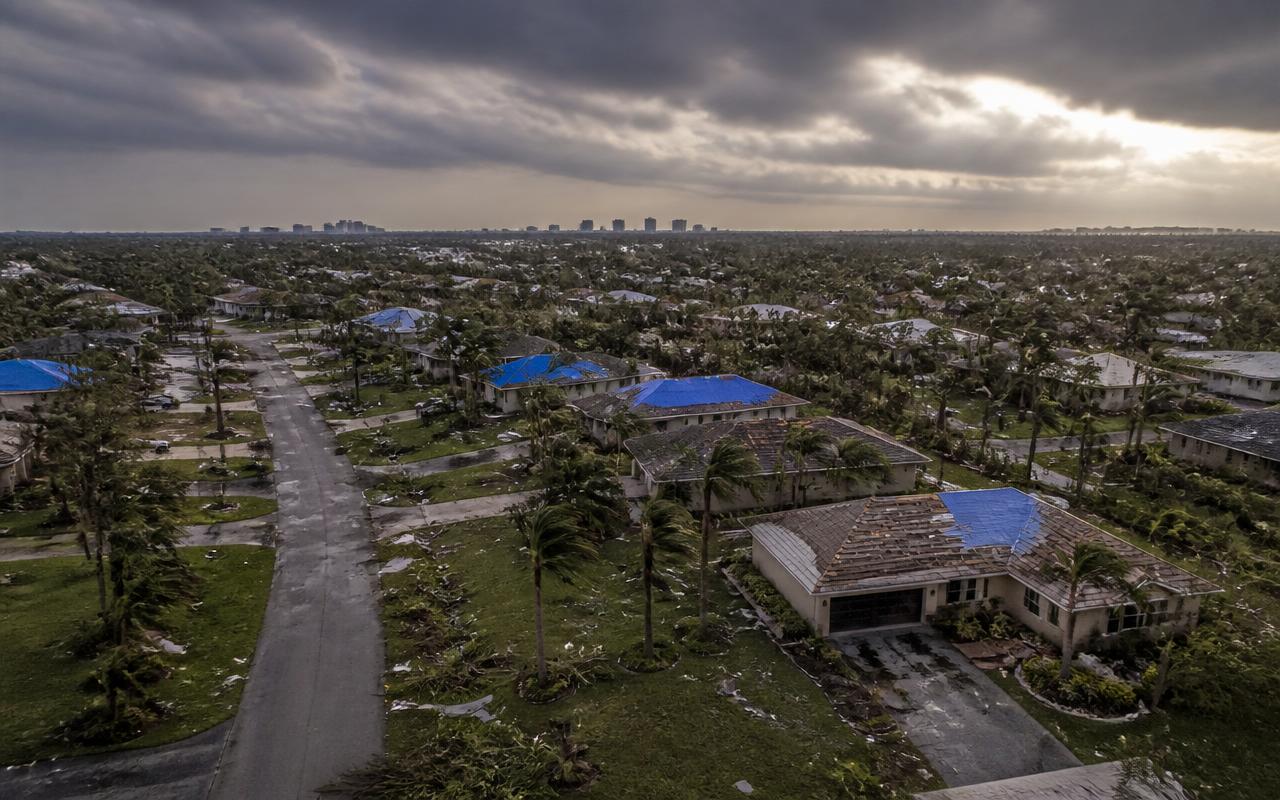
Living in South Florida means living with the annual reality of hurricane season, and for homeowners in Miami-Dade, Broward, and throughout the state, knowing how to navigate a hurricane insurance claim can make the difference between full recovery and financial ruin. Florida's property insurance system — already one of the most complex in the nation — has been reshaped by multiple rounds of major legislation, including Senate Bill 2A (2022) and House Bill 837 (2023), and insurers have become more aggressive in adjusting and contesting hurricane damage claims. This comprehensive policyholder's playbook walks you through every step of the hurricane claims process, from the moment the storm passes to the resolution of any disputes that arise.
Before the Storm: Documenting Your Property
The most important hurricane insurance preparation step is one that many homeowners overlook until it is too late: pre-storm documentation. Walk through your home on video annually, narrating the condition of every room, appliance, piece of furniture, and structural feature. Store this video off-site or in the cloud. Photograph your roof, exterior walls, windows, and screens. Maintain a home inventory spreadsheet with item descriptions, approximate purchase dates, and replacement costs. This documentation serves as your baseline when the insurer's adjuster later argues about pre-existing conditions. Keep copies of your insurance policy, Declarations page, and all endorsements in a waterproof location separate from your home.
Understanding Your Hurricane Insurance Coverage
Most Florida homeowners' policies cover 'windstorm' damage — physical damage caused by wind, including hurricane force winds — but exclude flood damage, which requires separate coverage through the National Flood Insurance Program (NFIP) or a private flood policy. The most contentious claim type after a major hurricane is the 'wind versus water' dispute, where the insurer attributes damage to flooding (excluded) rather than wind or wind-driven rain (covered). Knowing your hurricane deductible is also critical: Florida policies typically carry a separate hurricane deductible expressed as a percentage of your dwelling's insured value (commonly 2%, 5%, or 10%), which can amount to tens of thousands of dollars before your coverage kicks in.
Immediate Post-Storm Steps
Once conditions are safe enough to re-enter your property, take the following steps in order: - Document all damage with extensive photos and video before any cleanup or repairs - Separate storm-damaged personal property from undamaged property and catalog everything - Make emergency repairs to prevent further damage (tarps, board-ups, water extraction) — keep all receipts - Do not sign any contract with a roofer or contractor until you have spoken with your insurer and reviewed the contract carefully - File your claim immediately — do not wait — because Florida's 1-year notice deadline under § 627.70132 runs from the date of loss - Request that your insurer send an adjuster in writing and document when they respond
Florida's Statutory Claim Deadlines After a Hurricane
Florida law imposes strict deadlines for hurricane-related insurance claims under Fla. Stat. § 627.70132. You must provide written notice of your claim to your insurer within 1 year of the date of loss. If you discover additional damage later — a roof leak that worsens or mold that develops from uncaptured moisture — you must file a supplemental claim within 18 months of the date of loss. These deadlines are absolute; courts have dismissed claims filed even days late. After a major hurricane, when damage may be extensive and repairs delayed due to contractor backlogs, South Florida homeowners must be especially vigilant about tracking these dates and documenting timely notice to their insurers.
The Hurricane Adjuster Process: Staff, Independent, and Catastrophe Adjusters
After a major hurricane, insurance companies deploy large numbers of adjusters — including staff adjusters, independent adjusters hired on contract, and catastrophe (CAT) adjusters who specialize in post-storm claims. The quality and expertise of these adjusters varies enormously. A CAT adjuster handling hundreds of claims simultaneously under pressure from management to keep payouts low may miss significant damage or apply inappropriate valuation methods. You have the right to hire your own licensed Florida public adjuster or retain an attorney to be present during any inspection. Having an independent roofing contractor or structural engineer prepare a competing damage assessment is often critical to countering a low estimate.
The Wind vs. Water Coverage Battle
After major hurricanes that bring both catastrophic winds and storm surge, the central insurance battleground is the wind-versus-water causation dispute. Insurers that cover wind (and not flood) will argue that damage was caused by excluded flooding, while NFIP flood policies have their own limitations. When the true cause of damage is genuinely mixed — wind-driven rain entered through wind-damaged openings, for instance — the allocation between covered wind damage and excluded flood damage becomes highly contested. Expert testimony from wind and flood engineers, meteorological data, and storm surge modeling have all been used in Florida hurricane litigation to establish or defeat these causation arguments. An experienced hurricane claims attorney can retain and coordinate these experts on your behalf.
Roof Claims: Replacement vs. Repair Disputes
One of the most common post-hurricane disputes in South Florida involves roof coverage. Insurers frequently offer to pay for roof repairs while homeowners and their contractors insist that the damage requires full roof replacement. Florida law under Fla. Stat. § 627.7011 requires that if the damage to a dwelling is greater than 50% of the structure, the insurer must pay to bring the entire structure into compliance with current building codes (ordinance or law coverage). Even for partial damage, the 'matching' principle — requiring replacement of undamaged sections that cannot be matched in color, material, or profile to maintain a uniform appearance — is a frequently litigated issue. Insurers routinely resist paying for matching, but Florida courts have increasingly recognized the matching obligation.
Additional Living Expenses and Temporary Housing
If your home is uninhabitable after a hurricane, most homeowners policies provide Additional Living Expenses (ALE) or Loss of Use coverage, which reimburses you for the cost of temporary housing, restaurant meals, additional transportation, and other extra expenses above your normal cost of living while your home is being repaired. ALE coverage is typically limited to a percentage of your dwelling coverage (commonly 20% to 30%) or a fixed dollar amount. Keep all receipts for every ALE expense and document why each expense was necessary. Insurers sometimes dispute ALE claims by arguing the home was not genuinely uninhabitable or that the repair period was unreasonably long.
Public Adjusters, Independent Appraisers, and the Appraisal Process
After a hurricane, public adjusters in Florida are in high demand and are instrumental in preparing comprehensive damage estimates that counter lowball insurer assessments. Under Florida law, public adjuster fees on catastrophe claims are capped at 10% of the claim settlement during declared states of emergency. If you and your insurer cannot agree on the value of covered damage, either party may invoke the policy's appraisal clause. Appraisal is a streamlined, binding process that avoids the cost and delay of litigation and is particularly valuable in the post-SB 2A environment where the economics of fee recovery in litigation have changed. An attorney can advise whether appraisal or litigation is the better strategy for your specific situation.
Assignment of Benefits: Abolished for Residential Claims
Before 2023, unscrupulous contractors routinely solicited hurricane-damaged homeowners to sign Assignment of Benefits (AOB) agreements immediately after storms, transferring the right to insurance proceeds directly to the contractor. This spawned extensive litigation and fraud. SB 2A (2022) and Fla. Stat. §§ 627.7152 and 627.7153 effectively abolished AOB for residential property insurance claims in Florida. Homeowners should refuse to sign any document that purports to assign their insurance rights to a contractor, roofing company, or remediation firm. If a post-hurricane contractor presents such a form, walk away and consult an attorney.
Frequently Asked Questions
Q: My insurer is claiming all my damage was from flooding, not wind. What can I do? This wind-versus-water dispute is extremely common after major Florida hurricanes. You have several options: hire a licensed public adjuster to prepare a competing damage assessment; retain a structural or wind engineer to opine on the cause of damage; invoke the policy's appraisal clause if the dispute is about damage value; or consult an insurance attorney about coverage litigation. Do not accept a denial based on flood causation without getting an independent expert opinion.
Q: How long does an insurer have to pay my hurricane claim in Florida? Under Fla. Stat. § 627.70131, insurers must acknowledge your claim within 14 days, begin investigation within 10 days of receiving proof of loss, and pay or deny the claim within 90 days of receiving notice — except that during a declared state of emergency related to a hurricane, the 90-day deadline is extended to 90 days after the expiration of the state of emergency. Failure to pay within these periods may support a bad faith action under § 624.155.
Q: Can I file a hurricane claim years after the storm? No. Florida's § 627.70132 imposes strict deadlines: 1 year for initial notice and 18 months for supplemental claims, both measured from the date of the hurricane loss. These deadlines cannot be extended by agreement. If you missed the initial 1-year deadline, your claim is almost certainly barred.
Q: What is the mandatory pre-suit notice requirement for hurricane claims? Under Fla. Stat. § 627.70152, before filing a lawsuit against your insurer over a disputed hurricane claim, you must serve a written pre-suit notice on the insurer and the Department of Financial Services. The notice specifies the disputed amount and legal basis. The insurer then has a mandatory period to respond. Non-compliance with § 627.70152 results in dismissal of the lawsuit.
Q: Does homeowners insurance cover hurricane damage to my personal property? Yes, personal property coverage (Contents coverage) applies to hurricane wind damage to your belongings — furniture, electronics, clothing, appliances, and other personal items. Like dwelling coverage, personal property coverage typically excludes flood damage. Coverage is typically on an actual cash value basis unless you paid for a replacement cost value endorsement. Keep detailed records and photographs of damaged items before disposing of them.
Key Takeaways
- Florida's § 627.70132 imposes 1-year initial notice and 18-month supplemental claim deadlines after hurricane losses
- Hurricane deductibles are percentage-based and often substantial — know yours before a storm
- Wind-versus-water causation disputes are the most common post-hurricane coverage battle
- SB 2A (2022) abolished one-way attorney's fees and effectively eliminated residential AOB
- Pre-storm documentation is the most important insurance preparation step
- Appraisal provides a cost-effective alternative to litigation for valuation disputes
- Mandatory pre-suit notice under § 627.70152 must precede any lawsuit
- ALE/Loss of Use coverage reimburses temporary housing — document every extra expense
If your Florida hurricane insurance claim has been denied, underpaid, or delayed, The Farber Law Firm in Coral Gables is ready to help you fight back. We serve homeowners throughout Miami-Dade, Broward, and South Florida and offer free consultations. Contact us today for experienced guidance through Florida's complex hurricane claims process.
This article is for general informational purposes only and does not constitute legal advice. Laws change; consult a licensed Florida attorney about your specific situation.
Frequently Asked Questions
How long do I have to file a Florida hurricane claim?
One year from landfall for an initial claim and 18 months for a supplemental or reopened claim under Fla. Stat. § 627.70132.
Is storm surge covered under homeowners insurance?
No. Storm surge is flood and requires an NFIP or private flood policy.
What if the insurer blames pre-existing damage?
Insurers must still pay for hurricane-caused damage. Independent engineering reports and photos help isolate storm-related losses.
Should I sign an AOB with my roofer?
Only after reading the statutory disclosures under Fla. Stat. § 627.7152 and understanding your rescission rights.
Have a similar situation?
Free, confidential case review with a South Florida trial attorney. Call 8888-FARBER.
Request a Free ConsultationAbout the Author
The Farber Law Firm, P.A.
The Farber Law Firm is a South Florida trial practice based in Coral Gables, representing injured people, policyholders and businesses across Miami-Dade, Broward and Palm Beach counties since 1995. The firm handles personal injury, wrongful death, insurance coverage disputes and commercial litigation, and its attorneys are members in good standing of The Florida Bar.
Articles on this site are written and reviewed by attorney David Farber and reflect Florida statutes, court rules and Florida Bar regulations current as of the publication date.
- Office
- 2199 Ponce de Leon Blvd #301
Coral Gables, FL 33134 - Phone
- 8888-FARBER
- Consultations
- Free and confidential
Florida Legal Insights, in Your Inbox
Subscribe to The Farber Law Firm’s email list for educational articles on Florida injury claims, insurance coverage, and consumer rights.
By subscribing, you request legal insights by email. This is not a consultation request and does not create an attorney-client relationship. Privacy Policy.