What You Need to Know About Post-Hurricane Additional Living Expense Benefits
ALE coverage pays for hotels, meals, and the increased cost of living when your home is uninhabitable. Most homeowners don't claim the full amount they're owed.
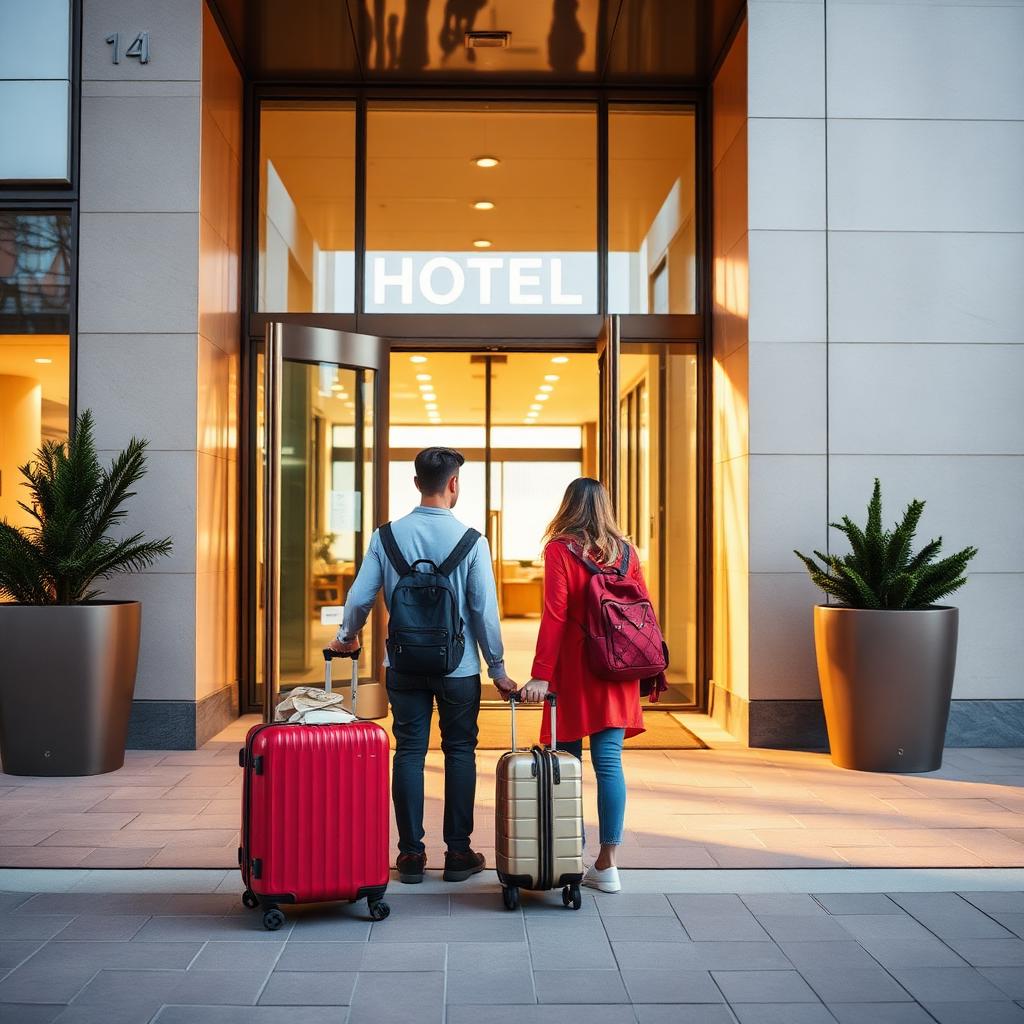
When a hurricane forces you out of your home — whether because of structural damage, flooding, power outages, or a mandatory evacuation order — the last thing you should have to worry about is how to pay for a place to sleep, meals, and the basic needs of daily life. Florida homeowner's insurance policies include a critical but frequently misunderstood benefit called Additional Living Expenses coverage, also known as ALE or Loss of Use coverage, designed specifically to help displaced policyholders maintain their normal standard of living while their home is being repaired. Understanding exactly what post-hurricane ALE benefits cover, how to document and claim them, and what to do when your insurer refuses to pay is essential for every Florida homeowner facing storm-related displacement in 2026.
What Is Additional Living Expenses Coverage?
Additional Living Expenses coverage — typically listed as Coverage D on a standard homeowner's (HO-3) or condo (HO-6) policy — pays for the necessary increase in living costs you incur as a direct result of a covered loss that makes your home uninhabitable. The operative word is 'increase': ALE covers the additional costs above what you normally spend to live, not your ordinary day-to-day expenses. If you normally spend $200 per week on groceries and your temporary housing situation requires you to eat restaurant meals costing $400 per week because you have no kitchen access, ALE pays the $200 weekly difference. If your normal mortgage or rent is $2,000 per month and temporary housing costs $3,500 per month, ALE pays the $1,500 monthly difference. Understanding this additive structure is critical when calculating and documenting your claim.
What Triggers ALE Coverage After a Hurricane
ALE benefits are triggered when a covered loss — wind damage, for example, caused by a hurricane — renders your home uninhabitable or when a civil authority prohibits you from occupying your home. Two distinct scenarios apply in post-hurricane Florida: First, if your home sustains direct physical damage from wind, wind-driven rain, or another covered peril that makes it unsafe or unsuitable for occupancy, you are eligible for ALE benefits from the date of the loss through a reasonable period required for repair. Second, if civil authorities issue a mandatory evacuation order covering your area — as frequently occurs in Miami-Dade, Broward, and Monroe counties before major hurricanes — most policies provide civil authority coverage for ALE expenses incurred during the period of the evacuation order, typically for a defined period (often two to four weeks) even if your home itself was not damaged. Review your policy's civil authority provision carefully.
What ALE Covers: A Comprehensive Breakdown
The scope of covered ALE expenses is broader than many policyholders realize. Post-hurricane ALE typically covers the following categories, provided the expenses are reasonable and necessary and represent an increase over your pre-loss costs: (1) temporary housing — hotel rooms, vacation rental costs, or an apartment lease during repairs; (2) restaurant meals when temporary housing lacks kitchen facilities; (3) increased transportation costs if your temporary housing is farther from work, school, or medical providers; (4) laundry and dry cleaning costs incurred because your washer and dryer are inaccessible; (5) storage unit costs for furniture or personal property that must be removed during repairs; (6) pet boarding if your temporary housing does not allow pets; and (7) reasonable costs of moving to and from temporary housing. Keep itemized receipts for every expense and maintain a daily log explaining why each expense was necessary.
What ALE Does Not Cover
ALE coverage has important limitations that policyholders frequently overlook. ALE does not cover: (1) expenses you would have incurred anyway, regardless of the hurricane (your regular grocery bill, for instance); (2) mortgage payments on your damaged home — ALE is not designed to pay your underlying housing obligation, only the increase in housing costs; (3) losses that are not directly caused by the covered loss (e.g., if you choose to stay away from your undamaged home for convenience); (4) expenses incurred after your home has been repaired and is habitable again; and (5) expenses that exceed policy limits. Most policies cap ALE at a percentage of Coverage A (dwelling coverage) — commonly 20% to 30% — or at a specific dollar amount. If repair timelines are long (as is common after a major hurricane in South Florida), reaching the ALE limit is a real possibility, making it important to track your ALE balance alongside your claim.
Documenting ALE: The Foundation of a Successful Claim
The single most important thing you can do to protect your ALE claim is to document every expense meticulously. Save every receipt — hotel folios, restaurant receipts, gas station receipts, moving company invoices, storage unit bills, everything. Where a receipt is unavailable, create a written record with the date, amount, and reason for the expense. Maintain a daily living expense log from the day you are displaced. When comparing to your pre-loss spending, pull bank and credit card statements from the corresponding months in the prior year to establish your baseline costs. This comparison — what you now spend versus what you normally spent — supports the 'increase' calculation that defines your ALE entitlement. Provide your insurer with organized, clear documentation; disorganized claims create opportunities for denial or reduction.
Dealing With Your Insurer on ALE: Timelines and Disputes
Florida law requires your insurer to handle your claim within certain timeframes. The insurer must acknowledge your claim within 14 days, begin investigation within 10 days of receiving your proof of loss materials, and pay or deny within 90 days. For ALE claims, this framework means the insurer must promptly begin paying your ongoing living expenses — not wait months to evaluate the claim while you accumulate debt or deplete savings. If your insurer is slow to respond, send written demands for interim ALE payments with your expense documentation attached. Keep copies of everything. If the insurer denies ALE benefits or takes the position that your home was not uninhabitable, counter with a written statement from a licensed contractor confirming the uninhabitable condition and the estimated repair timeline.
Common Reasons Insurers Deny or Limit ALE Claims
Insurers dispute ALE claims on several grounds. The most common include: (1) the insurer claims the home was not actually uninhabitable — only partially damaged; (2) the insurer argues that specific expenses were not necessary or reasonable (e.g., claiming a luxury hotel was unnecessary when a basic hotel was available); (3) the insurer applies the hurricane deductible in a way that reduces the ALE payout; (4) the insurer argues the ALE cap has been reached; (5) the insurer takes the position that the cause of displacement was flooding (not covered) rather than wind (covered), creating a coverage dispute that also affects ALE; and (6) the insurer claims you failed to mitigate by not returning to the home sooner than was safe or practical. Each of these denial grounds can be challenged with proper documentation and, if necessary, legal action.
Civil Authority ALE: Coverage When the Government Orders You Out
Florida's hurricane evacuation orders create a separate ALE trigger that many policyholders do not know about. When a mandatory evacuation order is issued by civil authorities covering your zone — as happens regularly in Miami-Dade coastal zones before Category 3 or higher storms — most homeowner policies include civil authority coverage that provides ALE benefits even if your home suffered no direct damage. This coverage typically has a shorter benefit period (often two weeks or less) and requires that the evacuation order prohibited your access to the home. The key is to document the evacuation order (local emergency management websites archive these), your compliance with it, and every expense incurred from the date of the order through the date access was restored. Many homeowners overlook this benefit because they assume no damage means no coverage.
The Intersection of ALE and Flood Insurance
Standard homeowner's policies cover wind damage but not flooding — flood losses are covered under NFIP or private flood policies. NFIP policies (under the Standard Flood Insurance Policy) do include a Loss of Use provision, but it is more limited than a homeowner's ALE benefit and requires that the insured home be in a NFIP-identified Special Flood Hazard Area. If your displacement is due to flooding rather than wind damage, your homeowner's insurer may deny ALE on the grounds that the loss is a flood loss. This wind versus flood attribution dispute — which affects ALE just as it affects dwelling coverage — can be contested with forensic engineering evidence documenting the cause of the physical damage. If your displacement resulted from both wind and flood damage, an attorney can help you allocate the covered and non-covered portions of your claim.
ALE and Extended Repair Timelines in South Florida
South Florida's contractor capacity, permit processing timelines through Miami-Dade and Broward building departments, and material supply chains mean that hurricane repairs can take months or even years after a major storm. ALE benefits are supposed to continue for the duration of the reasonable time needed to repair your home, up to the policy limit. If your insurer insists on a repair timeline that is shorter than what a licensed contractor estimates is actually needed — and cuts off ALE on that basis — you have grounds to dispute the cutoff. Obtain a written repair timeline estimate from your contractor and present it to the insurer as evidence supporting continued ALE payments. Unreasonably cutting off ALE before repairs are complete may constitute a bad faith claim under Fla. Stat. § 624.155.
Filing a Dispute and Escalating Your ALE Claim
If your insurer denies, undervalues, or prematurely terminates your ALE benefits, you have several avenues for dispute. First, submit a written objection with supporting documentation — your expense records, contractor repair timeline estimate, and any evidence of the home's uninhabitable condition. If the dispute is about the dollar amount of your ALE loss, consider invoking the appraisal clause if your policy includes one. If the insurer disputes coverage itself, you may need to serve pre-suit notice under Fla. Stat. § 627.70152 before filing suit. For unreasonable claims handling, a Civil Remedy Notice under § 624.155 puts the insurer on formal notice of potential bad faith liability. An experienced Florida property insurance attorney can assess your specific situation and guide the most effective strategy.
Frequently Asked Questions
Q: My home is structurally intact but the power has been out for two weeks after the hurricane. Am I entitled to ALE? A: It depends on your policy language and the specific circumstances. Many Florida policies provide ALE if the home is rendered 'uninhabitable' — and an extended total loss of power in South Florida's heat and humidity, particularly for households with medical needs or with elderly or disabled family members, may qualify. Review your policy's definition of uninhabitable and consult an attorney if your insurer denies ALE on this basis.
Q: The hurricane evacuation order was lifted after one week, but my home needed two months of repairs. Can I get ALE for both periods? A: Yes — in most cases. Civil authority ALE covers the evacuation period (subject to your policy's civil authority limit), and direct physical damage ALE covers the period from when you returned and assessed the damage through the end of the reasonable repair period. These benefits may overlap or be sequential depending on your policy; document both the evacuation period and the physical damage period separately.
Q: My insurer is saying my ALE expenses at the hotel I chose are too expensive. What can I do? A: The ALE standard is reasonable and necessary expenses to maintain your normal standard of living. If you were staying in an area where the only available lodging after the hurricane was at a certain price point — as is common in South Florida when hotels fill up rapidly post-storm — that price is likely reasonable given the circumstances. Document the availability of alternatives (or lack thereof) at the time you booked and provide that evidence to your insurer. If they continue to dispute the amount, the appraisal process or legal counsel may be necessary.
Q: Does ALE cover my mortgage payment while I'm in temporary housing? A: No. ALE covers the increase in your living costs — the additional amount above what you normally spend to maintain your standard of living. Your mortgage is an existing financial obligation that continues regardless of the hurricane; it is not an additional cost caused by the loss. Your ALE benefit covers temporary housing costs above and beyond your normal housing expense.
Q: How long can I receive ALE benefits? A: ALE benefits continue for the reasonable period of time required to repair your home to its pre-loss condition, up to your policy's ALE limit (typically 20–30% of your dwelling coverage limit) or any stated time limit in the policy. If repairs take longer than the time period or dollar limit contemplated, you may exhaust your ALE benefits before repairs are complete. Monitoring your ALE balance and escalating your claim if the insurer is artificially limiting the repair timeline is essential.
Key Takeaways
- ALE (Coverage D) pays for the necessary increase in living costs caused by a covered loss rendering your home uninhabitable — not your ordinary daily expenses.
- Civil authority ALE covers evacuation-period expenses even if your home was not directly damaged.
- Document every ALE expense with receipts and a daily log, comparing to your pre-loss baseline spending.
- Common denial grounds — uninhabitability disputes, flood vs. wind attribution, expense reasonableness — can all be challenged.
- ALE continues for the reasonable repair period up to the policy limit; an insurer who cuts ALE prematurely may be acting in bad faith.
- Pre-suit notice under § 627.70152 and bad faith remedies under § 624.155 are available for improper ALE denials.
- South Florida's extended post-hurricane repair timelines make careful ALE limit tracking essential.
The Farber Law Firm helps Florida homeowners across Miami-Dade, Broward, and Coral Gables recover the full ALE benefits they are entitled to under their property insurance policies after hurricanes and other covered losses. If your insurer has denied or cut short your Additional Living Expenses benefits, contact us today for a free consultation and let us help you fight for the coverage you paid for.
This article is for general informational purposes only and does not constitute legal advice. Laws change; consult a licensed Florida attorney about your specific situation.
Frequently Asked Questions
What are ALE benefits?
Additional Living Expense benefits reimburse the reasonable increase in living costs when a covered loss makes your home uninhabitable — hotels, rentals, meals, laundry, and pet boarding above your normal expenses.
How long do ALE benefits last?
Typically for the reasonable time to repair or replace, subject to a policy time or dollar limit.
Do I get ALE if I stay with family?
Usually only for direct incremental expenses (extra groceries, gas). Free lodging with family generally isn't reimbursable.
How do I document ALE?
Keep every receipt, compare to your baseline pre-loss expenses, and submit organized claims with a written narrative.
Have a similar situation?
Free, confidential case review with a South Florida trial attorney. Call 8888-FARBER.
Request a Free ConsultationAbout the Author
The Farber Law Firm, P.A.
The Farber Law Firm is a South Florida trial practice based in Coral Gables, representing injured people, policyholders and businesses across Miami-Dade, Broward and Palm Beach counties since 1995. The firm handles personal injury, wrongful death, insurance coverage disputes and commercial litigation, and its attorneys are members in good standing of The Florida Bar.
Articles on this site are written and reviewed by attorney David Farber and reflect Florida statutes, court rules and Florida Bar regulations current as of the publication date.
- Office
- 2199 Ponce de Leon Blvd #301
Coral Gables, FL 33134 - Phone
- 8888-FARBER
- Consultations
- Free and confidential
Florida Legal Insights, in Your Inbox
Subscribe to The Farber Law Firm’s email list for educational articles on Florida injury claims, insurance coverage, and consumer rights.
By subscribing, you request legal insights by email. This is not a consultation request and does not create an attorney-client relationship. Privacy Policy.