What Can Be Done to Prevent or Minimize Water Damage?
Simple maintenance and smart upgrades can prevent the most common — and most expensive — homeowner insurance claims.
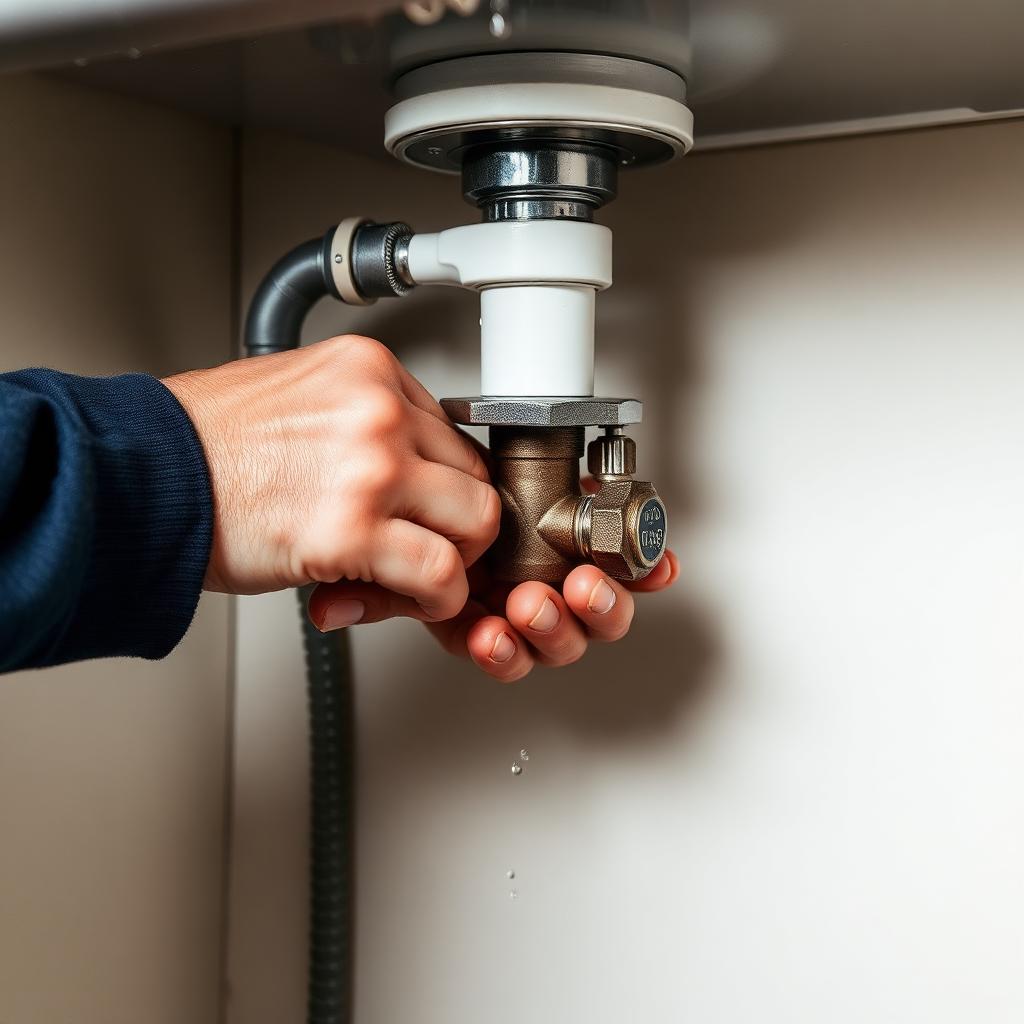
Water damage is the second-most-common cause of homeowner's insurance claims in Florida, trailing only wind and hurricane damage, and it is responsible for billions of dollars in property losses annually across Miami-Dade, Broward, and Palm Beach counties. South Florida's subtropical climate — with its intense rainy season from June through October, high humidity, and aging housing stock — creates a uniquely challenging environment for homeowners trying to protect their properties from water intrusion, pipe failures, appliance leaks, and storm-driven moisture. Understanding what can be done to prevent or minimize water damage is essential not only to protect your home but also to protect your ability to file a successful homeowner's insurance claim if a loss does occur.
Understand the Most Common Sources of Water Damage in Florida Homes
Before you can prevent water damage, you need to know where it is most likely to originate. In South Florida homes, the most frequently reported sources of water damage include:
- Roof failures and storm-related water intrusion through damaged shingles, flashing, or skylights.
- Plumbing system failures, including burst pipes, corroded supply lines, and failed fittings at washing machines, dishwashers, and refrigerator ice makers.
- Air conditioning system condensate drain line clogs, which can release significant volumes of water inside walls and ceilings.
- Water heater failures, including tank ruptures and pressure relief valve discharges.
- Bathroom and kitchen plumbing failures, including toilet supply line breaks, shower pan leaks, and under-sink supply line failures.
- Slab leaks — breaks or pinhole leaks in copper or galvanized pipes embedded in the concrete slab foundation, which are common in older South Florida homes.
- Pool and spa equipment malfunctions, including pump failures and cracked return lines.
- Storm surge, flooding, and roof-to-wall connection failures during tropical weather events.
Maintain Your Roof Proactively
Florida's building codes — among the strictest in the nation following Hurricane Andrew (1992) — require new roofs to meet rigorous wind resistance and water penetration standards. However, even code-compliant roofs require regular maintenance to remain watertight. Inspect your roof at least annually and after every tropical storm or hurricane for missing, cracked, or lifted shingles; damaged or improperly sealed flashing around chimneys, vents, and skylights; and debris accumulation in gutters and downspouts that can cause water to back up under roofing materials. In South Florida, tile roofs — the most common style in Miami-Dade, Broward, and Coral Gables — should be inspected for cracked or slipped tiles and re-bedded ridge caps. A licensed Florida roofing contractor can identify vulnerabilities before they become claims.
Service Your Air Conditioning System Annually
Florida homeowners run their air conditioning systems more intensively than virtually any other region of the country — often 10 to 12 months per year. This continuous operation generates enormous volumes of condensate that must drain properly through the system's primary and secondary drain lines. When these lines become clogged with algae, mold, or debris — a common occurrence in South Florida's humid environment — the water overflows and can cause significant damage to ceilings, walls, insulation, and flooring. Annual HVAC servicing, which should include flushing the condensate drain lines and inspecting the drain pan for cracks or blockages, is one of the most cost-effective water damage prevention steps a Florida homeowner can take. Install a float switch on the secondary drain pan; this device will shut off the system automatically if the primary drain line clogs, preventing overflow.
Inspect and Replace Appliance Supply Lines Regularly
Industry data consistently identifies washing machine and refrigerator ice maker supply line failures as among the top causes of interior water damage claims. Standard rubber washing machine hoses should be replaced with braided stainless steel hoses, which are significantly more resistant to failure, every five years or according to manufacturer recommendations. Inspect under-sink supply lines and shutoff valves in kitchens and bathrooms at least annually for signs of corrosion, mineral deposits, or stress cracks. Turn off the water supply to your washing machine when you leave home for extended periods — a single supply line failure while you are away can discharge hundreds of gallons into your home before it is discovered.
Know the Location of Your Main Water Shutoff
One of the simplest and most important water damage prevention measures is knowing exactly where your home's main water shutoff valve is located and verifying that it operates correctly. In South Florida homes, the main shutoff is typically located at the meter box near the street or at a shutoff valve adjacent to the water heater or utility area. If a major pipe break occurs, shutting off the main valve within minutes can dramatically reduce the volume of water released into the home. Consider installing an automatic water shutoff system — smart leak detection devices that monitor flow patterns and shut off the main valve automatically when they detect an abnormal flow event. These systems are increasingly affordable and available from major home improvement retailers.
Address Slab Leaks Immediately
Slab leaks — leaks in pipes embedded in or running beneath the concrete slab foundation — are a significant and somewhat unique risk for South Florida homeowners. Many homes in Miami-Dade and Broward were built with copper or galvanized plumbing that is now decades old and susceptible to electrolytic corrosion accelerated by Florida's alkaline soil and hard water. Signs of a slab leak include unexplained increases in water bills, hot spots on tiled floors, the sound of running water when no fixtures are in use, and foundation cracks or settlement. Slab leaks can cause substantial structural damage and mold growth if not addressed promptly. A licensed plumber can perform electronic leak detection to locate a slab leak non-invasively. Whether the cost of repair is covered by your homeowner's insurance depends on your policy terms — most policies cover the cost of accessing the leak (breaking through the slab) but not the cost of the pipe repair itself, though the resulting water damage to the home is typically covered.
Install Leak Detection Technology
The market for smart home water monitoring and leak detection has advanced dramatically in recent years. Affordable options now include: individual point-of-use sensors placed under sinks, behind washing machines, and near water heaters that emit an alert or shut off a local valve when moisture is detected; whole-home flow monitoring systems that connect to the main water supply and alert homeowners to abnormal usage patterns via smartphone app; and whole-home automatic shutoff valves that integrate with flow monitoring to terminate water supply automatically. For Coral Gables and Miami-Dade homeowners with significant equity in their properties, the cost of installing a whole-home smart water monitoring system is modest compared to the potential cost of a major interior water loss.
Improve Drainage Around Your Home's Foundation
Florida's heavy rainy-season downpours can overwhelm surface drainage and allow water to pool against foundation walls, penetrate crawl spaces, and seep through window wells and door thresholds. Ensure that the grade of your landscaping slopes away from the foundation perimeter at a minimum of 6 inches of fall over the first 10 feet. Keep gutters clean and extend downspout discharge at least four feet away from the foundation. For homes in low-lying areas of Miami-Dade and Broward that are susceptible to localized flooding, consider French drain installation, a sump pump system, or consultation with a licensed civil engineer about stormwater management improvements.
What to Do in the First 24 Hours After a Water Loss
When water damage occurs despite your best prevention efforts, the actions you take in the first 24 hours are critical to minimizing secondary damage and protecting your insurance claim. Stop the source of water intrusion immediately — shut off the main water valve, tarp the roof, or seal the breach as quickly as possible. Remove standing water using mops, wet vacuums, or professional water extraction equipment. Move wet furniture, rugs, and personal property to a dry area. Open windows and doors if weather permits, and run fans and dehumidifiers to begin the drying process. Call a licensed water damage restoration contractor immediately — in South Florida's climate, mold can begin to grow within 24–48 hours of a water event. Call your insurer to report the claim before any permanent repairs begin.
Florida Insurance Implications of Water Damage Prevention (or Neglect)
From an insurance perspective, the distinction between proactive maintenance and neglect can determine whether a water damage claim is covered or denied. Florida homeowner's insurance policies cover sudden and accidental losses, not damage that results from the homeowner's failure to maintain the property. An insurer that discovers evidence of a long-neglected roof, an aging supply line that showed visible signs of corrosion, or an air conditioning system that was never serviced may cite a maintenance exclusion or a gradual damage exclusion to deny your claim. Under Fla. Stat. § 627.70132 and standard HO-3 policy conditions, the insured has a duty to protect the property from further damage after a loss. Documented maintenance records — receipts from plumbers, HVAC technicians, roofing contractors, and pest control companies — are powerful evidence that you fulfilled your duties as a homeowner when an insurer questions the origin of a loss.
Frequently Asked Questions
Does homeowner's insurance in Florida cover a burst pipe? Generally yes, if the pipe burst suddenly and accidentally and you reported the loss promptly. Standard Florida HO-3 policies cover the resulting water damage from sudden and accidental pipe breaks. However, if the insurer determines that the pipe had been deteriorating over time and the homeowner failed to address known signs of the problem, a gradual damage or neglect exclusion may be applied. Prompt reporting and thorough documentation of the sudden nature of the loss are essential.
Is water damage from a leaking AC drain line covered by Florida homeowner's insurance? Typically yes, if the damage was sudden and you were not on notice of the clog or overflow risk. However, insurers may argue that recurring or gradual condensate overflow resulting from a lack of annual HVAC servicing constitutes a maintenance issue excluded under the policy. Having documented records of regular HVAC service significantly strengthens your position if this dispute arises.
What is a slab leak and is it covered by Florida homeowner's insurance? A slab leak is a leak in water supply or drain pipes running beneath or within the concrete slab foundation. Most Florida HO-3 policies cover the water damage caused by a slab leak but do not cover the cost of repairing or replacing the leaking pipe itself. Coverage for opening the slab to access the pipe (the 'cost to access' coverage) varies by policy. Review your policy's 'collapse' and 'service line' endorsements, which may provide additional protection.
How can I prevent mold after a water loss in my South Florida home? Act immediately. Extract standing water within hours, not days. Run industrial dehumidifiers and fans to reduce humidity below 60%. Discard wet porous materials — drywall, insulation, carpet padding — that cannot be dried within 24–48 hours. Have a licensed Florida mold assessor evaluate the scope of mold growth before and after remediation. Notify your insurer promptly, as most policies include a mold sublimit that must be claimed as part of the original water loss.
Key Takeaways
- The most common sources of water damage in South Florida homes include roof failures, AC condensate overflows, appliance supply line breaks, and slab leaks — all are preventable with proactive maintenance.
- Annual HVAC servicing, roof inspections, and appliance hose replacement are among the highest-impact prevention measures.
- Smart leak detection systems can automatically shut off water supply and minimize the extent of a loss.
- The first 24 hours after a water loss are critical — stop the source, document the damage, extract water, and call your insurer before making permanent repairs.
- Florida's insurance policies cover sudden and accidental water losses; documented maintenance records help defeat gradual-damage exclusion arguments.
- Florida's § 627.70132 requires prompt notice of claims and imposes strict supplemental claim deadlines.
The Farber Law Firm assists Florida homeowners throughout Miami-Dade, Broward, and Coral Gables who are facing water damage insurance disputes, whether their claims have been denied, underpaid, or unreasonably delayed. If you need guidance on your rights after a water loss, contact us for a free consultation — we are here to help you recover what you are owed.
This article is for general informational purposes only and does not constitute legal advice. Laws change; consult a licensed Florida attorney about your specific situation.
Frequently Asked Questions
What's the most common cause of home water damage in Florida?
Plumbing failures — supply lines, water heaters, and washing-machine hoses — are the most common non-storm cause of Florida claims.
How can I reduce the risk of water damage?
Install leak detectors and automatic shutoff valves, inspect roofs and windows annually, and replace old rubber hoses with braided stainless steel.
Does homeowners insurance cover mold?
Only limited amounts, and only if the mold results from a covered water event. Long-term seepage is generally excluded.
What should I do first if I discover a leak?
Stop the water source, document the damage with photos and video, and notify your insurer promptly to preserve coverage.
Have a similar situation?
Free, confidential case review with a South Florida trial attorney. Call 8888-FARBER.
Request a Free ConsultationAbout the Author
The Farber Law Firm, P.A.
The Farber Law Firm is a South Florida trial practice based in Coral Gables, representing injured people, policyholders and businesses across Miami-Dade, Broward and Palm Beach counties since 1995. The firm handles personal injury, wrongful death, insurance coverage disputes and commercial litigation, and its attorneys are members in good standing of The Florida Bar.
Articles on this site are written and reviewed by attorney David Farber and reflect Florida statutes, court rules and Florida Bar regulations current as of the publication date.
- Office
- 2199 Ponce de Leon Blvd #301
Coral Gables, FL 33134 - Phone
- 8888-FARBER
- Consultations
- Free and confidential
Florida Legal Insights, in Your Inbox
Subscribe to The Farber Law Firm’s email list for educational articles on Florida injury claims, insurance coverage, and consumer rights.
By subscribing, you request legal insights by email. This is not a consultation request and does not create an attorney-client relationship. Privacy Policy.