Property Damage to Your Home: A Florida Homeowner's Action Plan
From the moment damage occurs to the final settlement check — what to do, in what order, to protect your recovery.
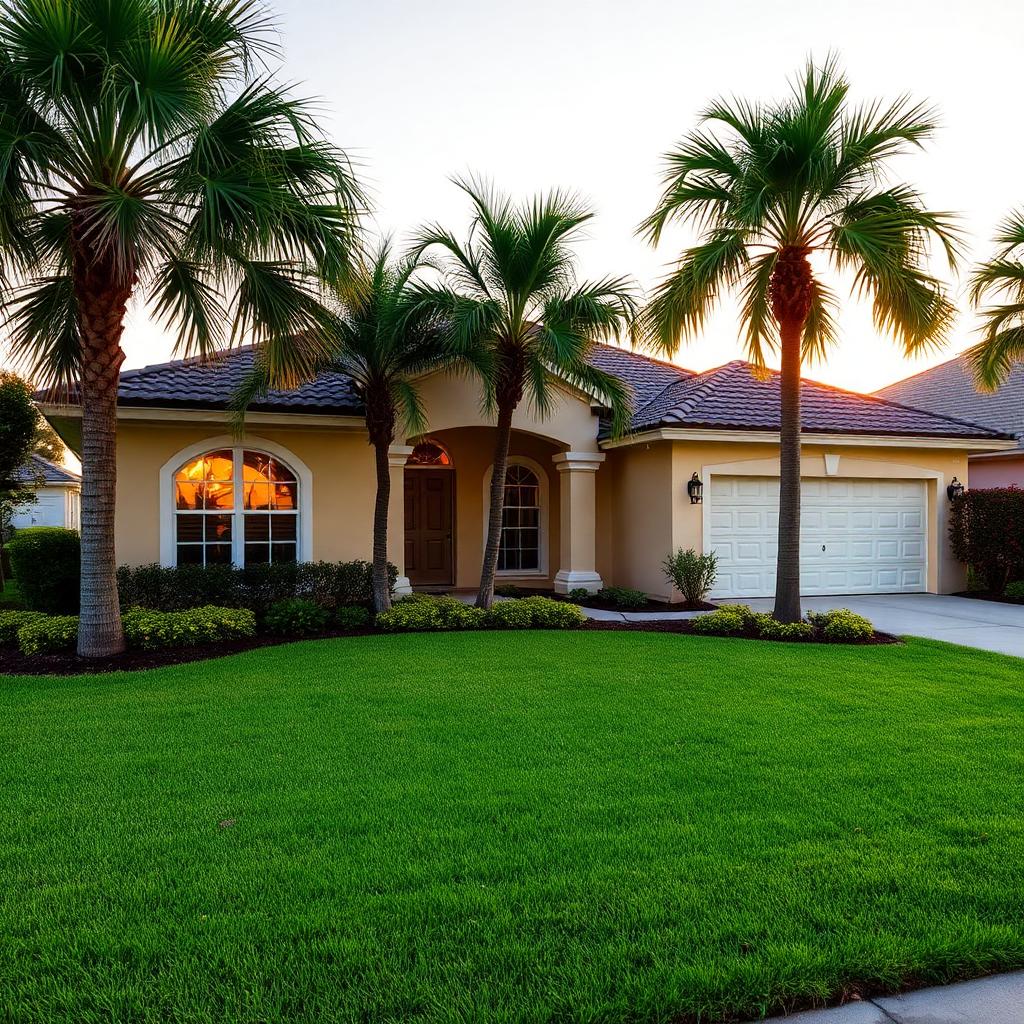
When a storm tears through Miami-Dade or Broward County and leaves your home in ruins, or a burst pipe soaks your floors, the last thing you need is a confusing insurance process standing between you and the repairs you deserve. Property damage to your home is one of the most financially and emotionally disruptive events a Florida homeowner can face, and understanding your rights under Florida law in 2026 is the first step toward recovering what you are owed. This guide is a comprehensive action plan covering everything from the moment damage occurs through the final resolution of your property insurance claim.
Florida's Current Property Insurance Landscape in 2026
Florida's property insurance market has undergone sweeping legislative reform in recent years. Senate Bill 2A (2022) and subsequent legislation significantly reshaped homeowner rights, carrier obligations, and the timeline for filing claims. One of the most consequential changes is the tightened deadline framework under Florida Statutes § 627.70132: homeowners now have one year from the date of loss to submit an initial claim and 18 months from the date of loss to submit a supplemental or reopened claim. Missing these deadlines can permanently bar your right to additional benefits, making prompt action essential.
Step One: Document Everything Immediately After the Damage
The moment it is safe to do so, begin documenting the damage thoroughly. Use your smartphone to photograph and video every affected area — rooflines, interior ceilings, walls, flooring, personal property, and any visible structural compromise. Date-stamp every image. Create a written inventory of damaged or destroyed items, including make, model, approximate purchase date, and estimated replacement cost. Courts and adjusters give significant weight to contemporaneous photographic evidence, and the sooner you capture conditions, the stronger your claim position will be. Save all receipts for emergency repairs such as tarping or board-up services, because those costs are often reimbursable under your policy's emergency measures provision.
Step Two: Report Your Claim Promptly and In Writing
Notify your insurer of the loss as soon as practicable and do so in writing — email or certified mail — so you have a timestamped record. Under Fla. Stat. § 627.70132, the one-year initial claim deadline is strictly enforced. When you file, request the insurer's acknowledgment in writing, the name of your assigned adjuster, and a complete copy of your policy, including any endorsements. Insurers in Florida are generally required to acknowledge receipt of a claim within 14 days, begin investigating within 10 days of receiving proof of loss, and pay or deny within 90 days of receiving your completed claim package. Familiarize yourself with these deadlines so you can hold your carrier accountable.
Step Three: Understand What Your Policy Actually Covers
Not all property damage is covered equally. Standard Florida homeowner policies (HO-3 or HO-6 for condo owners) typically cover sudden and accidental losses — wind, fire, certain water damage — but exclude flooding, which requires a separate NFIP or private flood policy. Read your declarations page carefully and look for the following key provisions: dwelling coverage (Coverage A), other structures (Coverage B), personal property (Coverage C), loss of use or additional living expenses (Coverage D), and any hurricane-specific deductibles, which in Florida often range from 2% to 5% of insured value rather than a flat dollar amount. The distinction between wind damage and flood damage can be fiercely contested in South Florida, making documentation of the specific cause of loss critical.
Step Four: Hire a Licensed Public Adjuster or Attorney Before You Sign Anything
Insurance companies send their own adjusters to evaluate your loss — adjusters who work for the carrier, not for you. Their initial estimate may significantly undervalue your damage. Consider hiring a licensed Florida public adjuster (governed by Fla. Stat. § 626.854) to prepare an independent estimate. Alternatively, or additionally, consult a property insurance attorney before signing any release, accepting any payment marked 'full and final settlement,' or executing an Assignment of Benefits (AOB) agreement. Florida's AOB reform legislation under Fla. Stat. §§ 627.7152 and 627.7153 sharply restricts AOB use in property insurance, so understand the implications before assigning your claim rights to any contractor.
Assignment of Benefits: What Changed and Why It Matters
Prior to the 2022-2023 reforms, contractors could obtain an AOB from a homeowner and then pursue the insurer directly for inflated repair bills. Under the current framework, AOBs in residential property insurance are heavily regulated and must meet strict written requirements; any AOB that does not comply with § 627.7152 is unenforceable. More importantly, the elimination of one-way attorney's fees for property insurance claims (previously available under § 627.428) means the fee-shifting incentive that drove much AOB litigation no longer exists. For homeowners, this means it is more important than ever to have your own legal counsel protecting your interests, rather than relying on a contractor to manage the claim on your behalf.
Step Five: Request an Appraisal If You Dispute the Estimate
If you disagree with your insurer's valuation of your loss, most Florida homeowner policies include an appraisal provision that allows both sides to hire independent appraisers who then select an umpire to resolve disputes. Invoking the appraisal clause can be a powerful, faster alternative to litigation. However, appraisal typically resolves only the amount of loss, not coverage disputes (e.g., whether wind or flood caused the damage). If your carrier is disputing coverage itself — not just the dollar amount — you may need to proceed with a pre-suit notice under § 627.70152 and potentially file a civil action. Consult a Florida property insurance attorney to determine the right strategy.
Pre-Suit Notice Requirements Under § 627.70152
Before filing a lawsuit against your homeowner's insurer in Florida, you are required to provide written pre-suit notice to the insurer at least 10 business days before filing suit (for non-hurricane claims). This notice must be sent to the Florida Department of Financial Services and identify the alleged violations. The statute gives the insurer an opportunity to respond or cure. Failing to comply with the pre-suit notice requirement can result in dismissal of your lawsuit, making procedural compliance critically important. An experienced Florida insurance attorney will ensure every notice is properly timed, formatted, and delivered.
Common Reasons Florida Property Claims Are Underpaid or Denied
Understanding why claims fail helps you avoid the most common pitfalls. Insurers most frequently cite the following grounds for denial or underpayment in Florida: (1) late notice of loss; (2) failure to mitigate — not taking reasonable steps to prevent further damage; (3) policy exclusions such as flood, earth movement, or wear and tear; (4) lack of documentation supporting the scope of loss; (5) suspected fraud or misrepresentation; and (6) the hurricane deductible reducing or eliminating the net payable amount. If your claim was denied or underpaid for any of these reasons, the denial does not necessarily mean the insurer is correct — it means you may need professional help to challenge it.
Mold, Water Intrusion, and Secondary Damage
In Florida's subtropical climate, water intrusion can lead to mold growth within 24 to 48 hours. Mold remediation is expensive — industry reports cite costs ranging from a few thousand dollars for isolated areas to well over $30,000 for significant infestations. Whether your policy covers mold depends on the cause: mold resulting from a sudden covered peril (e.g., a burst pipe) is typically covered, while mold from long-term seepage or maintenance neglect is not. Document mold discovery with photos and an independent certified industrial hygienist's report if possible, and notify your insurer immediately. Delayed notification of secondary damage is a common basis for denial.
Additional Living Expenses While Your Home Is Uninhabitable
If your home is rendered uninhabitable by a covered loss, your policy's Coverage D — Additional Living Expenses (ALE) — should pay for reasonable temporary housing, meals above your normal food costs, laundry, storage, and other costs you incur as a direct result of the displacement. In South Florida's competitive rental market, ALE benefits can be substantial. Keep all receipts and maintain a detailed log of expenses. ALE is a separate benefit that should not reduce your dwelling or personal property coverage limits. For hurricane-related displacement, understanding ALE is especially important given the extended repair timelines common in Miami-Dade and Broward counties.
When to File a Bad Faith Claim Against Your Insurer
Florida's Insurance Bad Faith statute, Fla. Stat. § 624.155, allows policyholders to pursue a civil remedy against insurers that handle claims in a manner that is not in good faith — for example, by failing to investigate, misrepresenting policy terms, low-balling settlements without reasonable basis, or unreasonably delaying payment. To pursue a bad faith action, you must first file a Civil Remedy Notice (CRN) with the Department of Financial Services and give the insurer 60 days to cure the violation. Bad faith awards can include the full policy limits, consequential damages, and potentially attorney's fees. This is a powerful tool, but one that requires careful legal analysis before invoking.
Frequently Asked Questions
Q: How long do I have to file a property damage claim in Florida? A: Under Fla. Stat. § 627.70132 as amended, you generally have one year from the date of loss to submit an initial claim and 18 months from the date of loss to submit a supplemental or reopened claim. These deadlines apply to residential property policies and are strictly enforced. Acting promptly and consulting an attorney as soon as possible after a loss protects your rights.
Q: Can I still use an Assignment of Benefits for roof or water damage repairs? A: AOBs in residential property insurance are now heavily restricted under Fla. Stat. §§ 627.7152 and 627.7153. While AOBs have not been completely eliminated, any agreement must strictly comply with statutory requirements or it is void. Given the elimination of one-way attorney's fees, the financial incentive for contractors to litigate AOB-based claims has also diminished. Consult an attorney before signing any AOB.
Q: What if my insurer's estimate is far lower than my contractor's bid? A: First, get a second independent contractor estimate. Then consider invoking the appraisal clause in your policy if the dispute is purely about the dollar amount of the loss. If the insurer disputes coverage entirely, a pre-suit notice under § 627.70152 and potential litigation may be necessary. A Florida public adjuster or property insurance attorney can help you evaluate which path makes sense.
Q: Does my homeowner's policy cover hurricane damage? A: Most standard Florida homeowner policies cover wind damage caused by hurricanes but not storm surge or flooding, which require separate flood coverage. There is typically a separate hurricane deductible — often 2–5% of the insured dwelling value — that applies instead of the standard deductible. Review your declarations page carefully and discuss any ambiguities with an attorney.
Q: What is a Civil Remedy Notice and when should I file one? A: A Civil Remedy Notice (CRN) is a formal written notice to your insurer and the Florida Department of Financial Services alleging specific acts of bad faith, filed under Fla. Stat. § 624.155. It is a prerequisite to filing a bad faith lawsuit. The insurer has 60 days to cure the violation. Filing a CRN signals serious legal escalation and should be done with an attorney's guidance.
Key Takeaways
- File your property damage claim within one year of the date of loss and supplemental claims within 18 months under § 627.70132.
- Document all damage immediately with photos, video, and written inventory.
- Read your policy carefully — hurricane deductibles, flood exclusions, and ALE limits vary widely.
- AOBs are heavily restricted; consult an attorney before signing any assignment agreement.
- Pre-suit notice under § 627.70152 is mandatory before suing your insurer.
- If your claim is undervalued, the appraisal clause or legal action may be appropriate.
- Bad faith remedies under § 624.155 are available if your insurer handles your claim unreasonably.
At The Farber Law Firm in Coral Gables, our attorneys have deep experience representing Florida homeowners in property insurance disputes across Miami-Dade, Broward, and the broader South Florida region. We offer free consultations and can help you evaluate your claim, challenge an underpayment or denial, and pursue every remedy available under Florida law. Do not let your insurer's initial response be the final word on what your damaged home is worth.
This article is for general informational purposes only and does not constitute legal advice. Laws change; consult a licensed Florida attorney about your specific situation.
Frequently Asked Questions
What's the first thing I should do after property damage?
Prevent further damage, document everything with photos and video before cleanup, and give prompt written notice to your insurer.
How long do I have to file a Florida property claim?
One year for an initial claim after a hurricane and 18 months for a supplemental claim under Fla. Stat. § 627.70132; standard claims generally have longer deadlines set by policy.
What if the insurer's estimate is far below my contractor's?
You can invoke appraisal, request a re-inspection, or, if the insurer acts unreasonably, pursue a breach of contract action.
Do I have to accept the insurer's preferred vendor?
No. Florida homeowners generally choose their own contractor, subject to policy terms.
Have a similar situation?
Free, confidential case review with a South Florida trial attorney. Call 8888-FARBER.
Request a Free ConsultationAbout the Author
The Farber Law Firm, P.A.
The Farber Law Firm is a South Florida trial practice based in Coral Gables, representing injured people, policyholders and businesses across Miami-Dade, Broward and Palm Beach counties since 1995. The firm handles personal injury, wrongful death, insurance coverage disputes and commercial litigation, and its attorneys are members in good standing of The Florida Bar.
Articles on this site are written and reviewed by attorney David Farber and reflect Florida statutes, court rules and Florida Bar regulations current as of the publication date.
- Office
- 2199 Ponce de Leon Blvd #301
Coral Gables, FL 33134 - Phone
- 8888-FARBER
- Consultations
- Free and confidential
Florida Legal Insights, in Your Inbox
Subscribe to The Farber Law Firm’s email list for educational articles on Florida injury claims, insurance coverage, and consumer rights.
By subscribing, you request legal insights by email. This is not a consultation request and does not create an attorney-client relationship. Privacy Policy.