Steps to Take Before and After a Storm to Protect Your Property
A storm-prep and storm-recovery checklist that protects both your home and your future insurance claim.
Living in South Florida means living with the annual reality of hurricane season — June through November — and the year-round threat of severe thunderstorms, tornadoes, and tropical systems that can materialize with little warning. Whether you own a home in Coral Gables, a condo in Brickell, or a rental property in Broward County, taking proactive steps before and after a storm is not just good practice — it is a legal and financial necessity that directly affects your ability to recover under your homeowner's or windstorm policy. This comprehensive guide walks Florida property owners through every critical action step, grounded in the realities of Florida insurance law in 2026.
Why Pre-Storm Preparation Is Both a Safety and Legal Issue
Most Florida homeowner policies contain a duty to mitigate clause — sometimes called the 'reasonable precautions' or 'sue and labor' provision — requiring the policyholder to take reasonable steps to protect the property from further damage both before and after a covered loss. Failure to take reasonable pre-storm precautions, such as boarding windows or securing outdoor furniture, can give your insurer grounds to deny or reduce your claim on the basis that your inaction contributed to the loss. Beyond the legal obligation, preparation saves lives and reduces the severity of damage. Think of storm preparedness as protecting both your family and your financial recovery.
Before the Storm: Structural and Physical Preparation
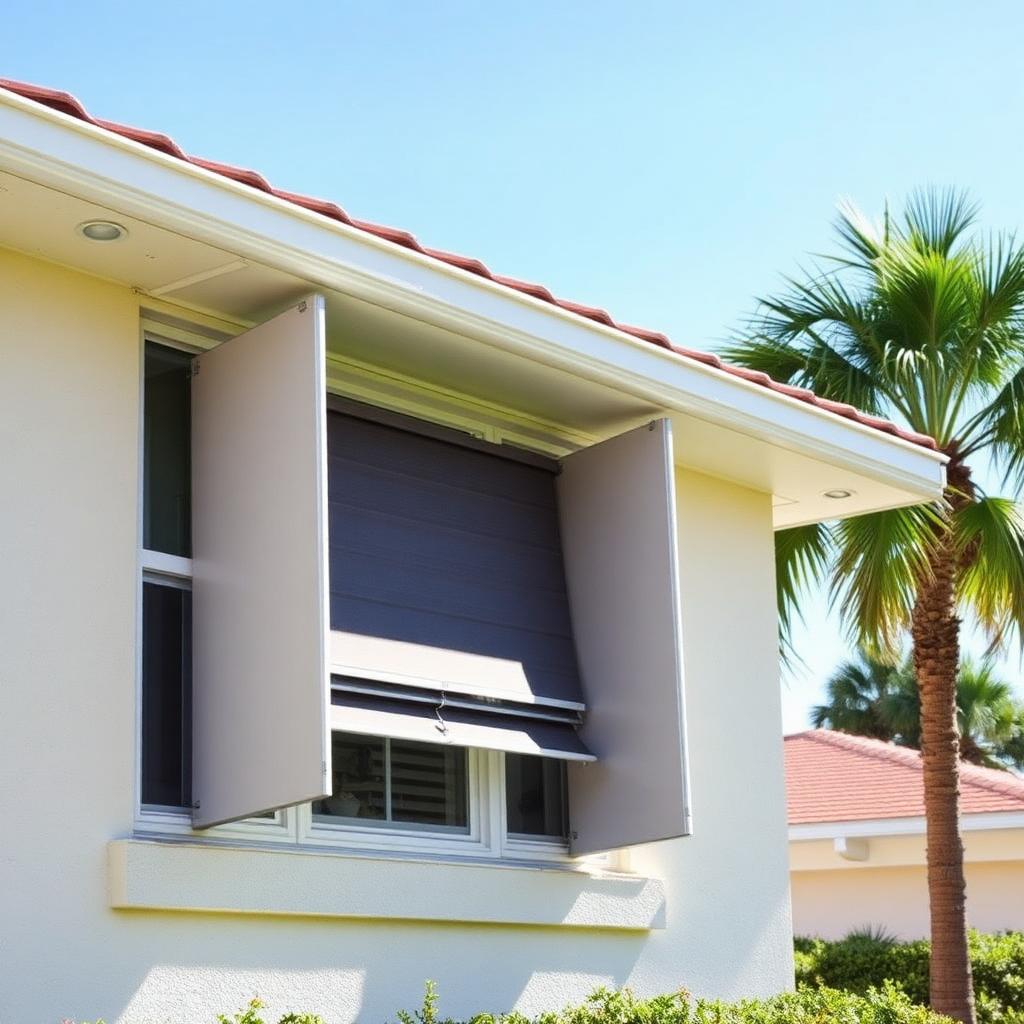
The physical steps you take before a named storm or hurricane warning can dramatically reduce damage and strengthen your insurance claim. Begin well in advance of any forecast storm: inspect your roof for loose or missing shingles, deteriorated flashing, and compromised seals around vents and skylights. A Florida licensed contractor or certified home inspector can perform a pre-storm roof evaluation. Install or verify the function of hurricane shutters, impact-resistant windows, or rated plywood panels on all windows and sliding glass doors. Bring all outdoor furniture, grills, potted plants, and decorative items inside or secure them in a garage — airborne objects cause extensive secondary damage and liability exposure. Trim overhanging trees and dead branches. Test your generator and store fuel safely. Photograph and video your property's condition before the storm — this baseline documentation is invaluable in distinguishing pre-existing from storm-caused damage.
Before the Storm: Insurance Policy Review and Documentation
A storm watch or warning is also the right moment to pull out your insurance policy and review it. Confirm you have the correct dwelling coverage limit (ideally replacement cost, not actual cash value), understand your hurricane deductible (typically 2–5% of insured value in Florida rather than a flat dollar amount), and verify that you have a separate flood policy if you are in a flood-prone zone — standard homeowner policies do not cover flooding. Create a comprehensive home inventory: photograph or video every room, open closets and cabinets, and capture serial numbers on electronics and appliances. Store this inventory in cloud storage or email it to yourself so it is accessible even if you must evacuate. Keep digital copies of your policy, declarations page, and insurer's claims contact information somewhere you can access from any device.
Flood Insurance and the NFIP: What Florida Homeowners Must Know
Flooding is the most common and costly natural disaster in the United States, and Florida sits at exceptional risk. The National Flood Insurance Program (NFIP), administered by FEMA, provides flood coverage that standard homeowner policies explicitly exclude. Private flood insurance is also available and may offer broader coverage or higher limits than the NFIP. NFIP policies generally have a 30-day waiting period before taking effect, so purchasing or renewing flood coverage during a storm watch is too late. If you live in a Special Flood Hazard Area (SFHA) designated by FEMA and carry a federally backed mortgage, flood insurance is mandatory — but even homeowners outside high-risk zones suffer flood losses regularly. Review your flood coverage annually.
Before the Storm: Personal Property and Emergency Supplies
Beyond the physical property, prepare your household for the possibility of extended displacement. Stock at least 72 hours — ideally two weeks — of water (one gallon per person per day), non-perishable food, prescription medications, first aid supplies, flashlights, batteries, and cash (ATMs and card readers fail during power outages). If you have pets, prepare accordingly. Identify evacuation routes and shelters in advance; Miami-Dade and Broward counties publish detailed evacuation zone maps that are updated annually. If you are in an evacuation zone and authorities issue a mandatory evacuation order, leave. Remaining in place during a major storm event is dangerous and can complicate your insurance claim if the insurer argues your presence caused preventable damage.
After the Storm: Prioritizing Safety Before Reentering
After the storm passes, resist the urge to reenter your property immediately. Downed power lines, structural instability, gas leaks, standing water, and sharp debris pose serious hazards. Wait for official all-clear notices from local emergency management authorities in Miami-Dade, Broward, or the relevant county. When you do reenter, wear protective footwear and gloves. Photograph every aspect of the exterior before disturbing anything. Check for structural damage, roof compromise, and water intrusion before walking through interior spaces. If you smell gas, do not turn on any switches — leave immediately and contact your utility provider.
After the Storm: Documenting Damage for Your Insurance Claim
Comprehensive post-storm documentation is the foundation of a successful insurance claim. Photograph and video every area of damage, from wide-angle shots showing the overall scope to close-ups of specific damage — torn shingles, cracked walls, water stains, damaged personal property. Create a written log of every damaged item. If roof damage is evident, document it from ground level with a telephoto lens; do not climb onto a damaged or wet roof. Do not discard damaged items until an adjuster has seen them (or unless they pose an immediate health hazard, such as a mold-saturated mattress — photograph before disposal). The more thorough your documentation, the harder it is for an insurer to dispute the scope of your loss.
After the Storm: Emergency Repairs and Mitigation
Your policy almost certainly requires you to take immediate steps to prevent further damage — a duty that arises both before and after the storm. This means tarping a damaged roof, boarding broken windows, removing standing water to prevent mold, and addressing any other condition that could worsen the loss. Keep every receipt for emergency repairs, temporary materials, and services. Labor and material costs for emergency mitigation are generally reimbursable under your policy. However, be cautious: do not undertake permanent repairs until your insurer's adjuster has inspected the property, unless safety demands it. Performing permanent repairs before inspection can give your insurer grounds to dispute the claimed damage.
Avoiding Storm-Chasing Contractors and Fraud
After every major storm in South Florida, unlicensed contractors and out-of-state 'storm chasers' descend on affected neighborhoods offering quick repairs at seemingly attractive prices. These contractors frequently perform substandard work, charge inflated prices, disappear with deposits, and may attempt to obtain AOB agreements giving them control of your insurance claim. Under Fla. Stat. § 627.7152, AOBs in residential property insurance must comply with strict requirements or they are void. Hire only Florida-licensed contractors (verify on the Department of Business and Professional Regulation website), get multiple written estimates, and never pay the full contract price upfront. Contact the Florida Attorney General's office if you encounter price gouging, which is illegal under Florida's price gouging statute (Fla. Stat. § 501.160) during a declared state of emergency.
Filing Your Claim: Deadlines and Procedures
Report your storm damage claim to your insurer as promptly as possible, and always in writing. Under Fla. Stat. § 627.70132, you have one year from the date of loss to file an initial claim and 18 months to file a supplemental or reopened claim. These deadlines apply regardless of whether you are still awaiting repairs or receiving contractor estimates. Your insurer must acknowledge your claim within 14 days, investigate within 10 days of receiving your proof of loss, and reach a coverage determination within 90 days. Document all communications with your insurer — claim numbers, adjuster names, dates, and the substance of all conversations — in case of future dispute.
When to Involve a Public Adjuster or Attorney
If your insurer's damage estimate seems far below the actual cost of repairs, if your claim is denied, or if the process is stalling, consider engaging a Florida-licensed public adjuster or a property insurance attorney. Public adjusters are paid a percentage of the insurance settlement and can independently evaluate and document your loss. An attorney can advise on coverage disputes, invoke appraisal if appropriate, serve pre-suit notice under § 627.70152, and pursue litigation or bad faith remedies under § 624.155 if the insurer acts unreasonably. Many property insurance attorneys handle claims on a contingency basis, meaning no up-front fees for homeowners.
Frequently Asked Questions
Q: If I didn't board up my windows before the hurricane, can my insurer deny my claim? A: Your insurer can argue that your failure to take reasonable pre-storm precautions contributed to the loss, potentially reducing what they owe under the duty to mitigate provisions. However, denial of an entire claim on this basis alone is difficult unless your inaction was clearly unreasonable and directly caused additional damage. Consult an attorney if your insurer uses your preparation as grounds for denial.
Q: My roof was already showing wear before the storm. Can the insurer pay less? A: Florida policies typically cover sudden accidental damage even to aging roofs, but insurers often apply depreciation and argue that pre-existing wear reduces their obligation. The distinction between storm damage and ordinary wear and tear is frequently disputed. An independent contractor estimate and public adjuster report can counter an insurer's depreciation arguments.
Q: How long does a Florida insurer have to pay my storm damage claim? A: Under Florida law, once the insurer has received your completed proof of loss and has had a reasonable opportunity to investigate, it must pay or deny within 90 days. Unreasonable delays may constitute bad faith under Fla. Stat. § 624.155.
Q: Does my policy cover mold from storm water intrusion? A: If mold results from a covered storm event — wind-driven rain entering through a damaged roof, for example — it is generally covered as a resulting loss. Mold from long-term pre-existing leaks or owner neglect is typically excluded. Document the storm as the cause and notify your insurer promptly.
Q: What is the difference between a hurricane deductible and a regular deductible? A: Florida homeowner policies commonly apply a separate, higher hurricane deductible when a named storm is the cause of loss. This deductible is usually expressed as a percentage of the insured dwelling value (commonly 2–5%) rather than a flat dollar amount, and can be tens of thousands of dollars on a typical South Florida home. Understand your deductible before filing.
Key Takeaways
- Pre-storm preparation — shutters, roof inspection, documentation, policy review — directly affects both safety and your ability to recover insurance benefits.
- Flood damage requires a separate NFIP or private flood policy; standard homeowner policies exclude flooding.
- After the storm, document everything before touching anything, and make only emergency mitigation repairs before the adjuster inspects.
- Florida's one-year claim filing deadline (§ 627.70132) and 90-day insurer payment deadline are legally enforceable.
- Avoid unlicensed contractors and AOB agreements; use only licensed Florida professionals.
- If your claim is undervalued or denied, a public adjuster or property insurance attorney can help you fight back.
The Farber Law Firm represents Florida homeowners and property owners in storm damage insurance disputes throughout Miami-Dade, Broward, and South Florida. If your claim has been denied, delayed, or underpaid after a storm, contact us today for a free consultation and learn what options are available to you.
This article is for general informational purposes only and does not constitute legal advice. Laws change; consult a licensed Florida attorney about your specific situation.
Frequently Asked Questions
What should I do before a Florida storm arrives?
Inspect the roof, clear gutters, trim trees, install shutters or impact glass, photograph the interior and exterior, and store your policy and inventory offsite or in the cloud.
What should I do immediately after the storm?
Document all damage with photos and video before touching anything, make reasonable emergency repairs to prevent further loss, and put your insurer on notice.
How long do I have to file a hurricane claim?
One year for the initial claim and 18 months for supplemental claims under Fla. Stat. § 627.70132.
Do I need flood insurance?
Yes if you want coverage for rising water or storm surge — standard homeowners policies exclude flood.
Have a similar situation?
Free, confidential case review with a South Florida trial attorney. Call 8888-FARBER.
Request a Free ConsultationAbout the Author
The Farber Law Firm, P.A.
The Farber Law Firm is a South Florida trial practice based in Coral Gables, representing injured people, policyholders and businesses across Miami-Dade, Broward and Palm Beach counties since 1995. The firm handles personal injury, wrongful death, insurance coverage disputes and commercial litigation, and its attorneys are members in good standing of The Florida Bar.
Articles on this site are written and reviewed by attorney David Farber and reflect Florida statutes, court rules and Florida Bar regulations current as of the publication date.
- Office
- 2199 Ponce de Leon Blvd #301
Coral Gables, FL 33134 - Phone
- 8888-FARBER
- Consultations
- Free and confidential
Florida Legal Insights, in Your Inbox
Subscribe to The Farber Law Firm’s email list for educational articles on Florida injury claims, insurance coverage, and consumer rights.
By subscribing, you request legal insights by email. This is not a consultation request and does not create an attorney-client relationship. Privacy Policy.