6 Essential Water Damage Insurance Claim Tips
Document early, stop the loss, and avoid the mistakes that give carriers an excuse to deny your water damage claim.
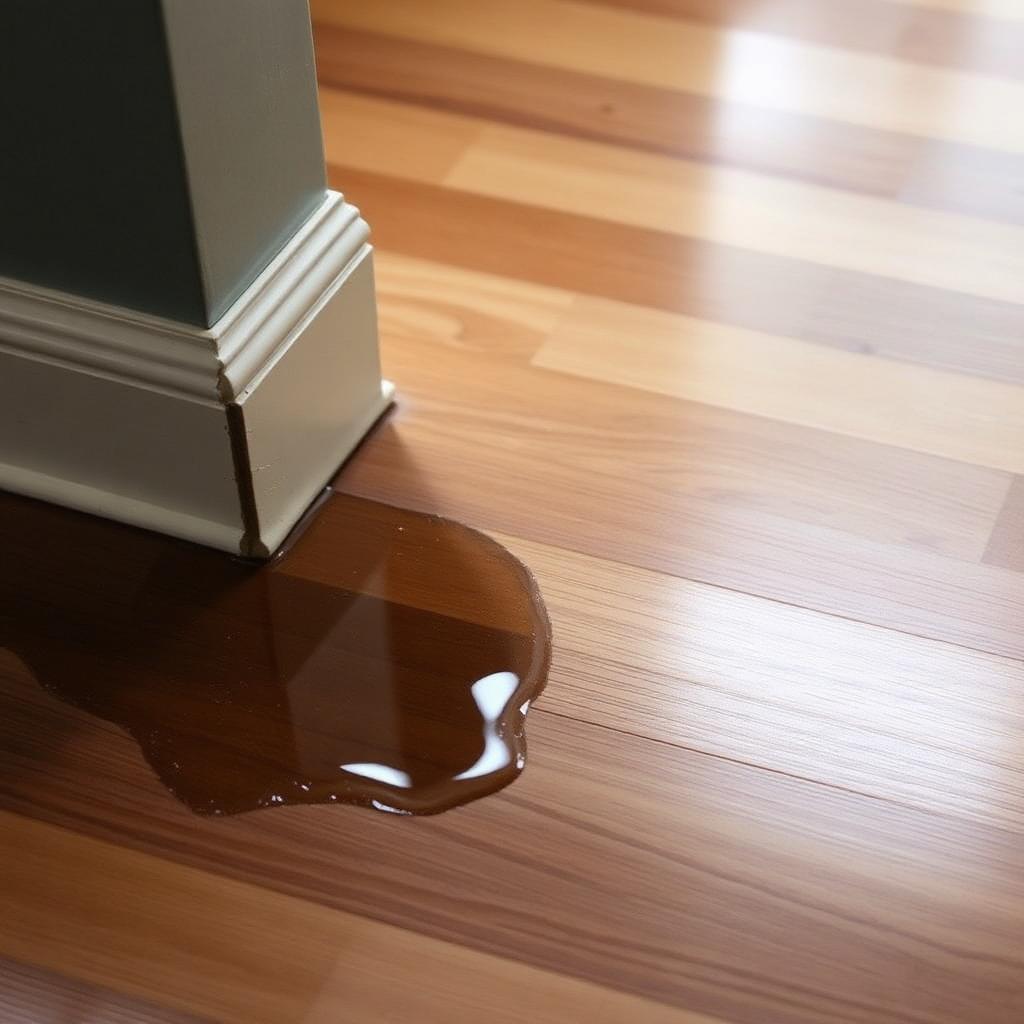
Water damage is one of the most common — and most contested — categories of homeowner's insurance claims in Florida. From burst pipes and appliance leaks to roof intrusion after storms and flooding from tropical systems, South Florida homeowners file tens of thousands of water damage claims each year. Yet many of those claims are denied, underpaid, or delayed by insurers who argue that the damage resulted from excluded causes, pre-existing conditions, or a failure to maintain the property. If you have suffered water damage to your Miami-Dade, Broward, or Coral Gables home, these six essential tips will help you protect your claim and maximize your recovery under Florida law.
Tip 1: Report the Claim Immediately — Florida's Deadlines Are Strict
Under Fla. Stat. § 627.70132, as amended by SB 2A (2022) and in force through 2026, Florida homeowners must report property damage claims — including water damage — within 1 year of the date of loss for claims arising from a hurricane or windstorm. For non-weather water damage (such as a burst pipe or appliance overflow), standard policy notice requirements typically require prompt notice, usually defined as notice as soon as practicable or within a specific number of days after the loss is discovered. Supplemental claims — claims for additional damage discovered after the initial report — must be submitted within 18 months of the date of loss. Missing these deadlines can result in a complete bar to recovery. If you discover water damage, contact your insurer immediately, even before repairs begin.
Tip 2: Document Everything Before Any Cleanup or Repairs
Documentation is the foundation of a successful water damage insurance claim. Before any water extraction, drying equipment is placed, or repairs begin, photograph and video every affected area extensively. Capture the source of the intrusion (the leaking pipe, the damaged roof section, the overflowing appliance), the extent of water spread, all damaged flooring, walls, ceilings, furniture, and personal property. Take photos with timestamps enabled and from multiple angles. Save all damaged materials — insurers and their adjusters may want to inspect them, and discarding damaged materials before inspection can give an insurer grounds to argue spoliation. Keep a written log of every conversation with your insurer, including the date, time, name of the representative, and a summary of what was discussed.
Tip 3: Understand What Your Florida Homeowner's Policy Covers — and What It Excludes
Florida homeowner's insurance policies typically cover sudden and accidental water damage, such as a burst pipe, a washing machine supply line failure, or roof damage that allows rain to enter the home. They typically exclude: gradual water damage (slow leaks over time that were not promptly discovered or reported), flood damage (which requires a separate NFIP or private flood policy), ground seepage, and damage resulting from the homeowner's failure to maintain the property. The distinction between a sudden loss and gradual deterioration is one of the most litigated issues in Florida property insurance. If your insurer cites a gradual leak exclusion, a public adjuster or insurance dispute attorney can help you contest the characterization with evidence of the leak's actual timeline.
Tip 4: Be Careful With Contractor Assignments of Benefits (AOB)
After a water loss, restoration contractors will often approach homeowners and ask them to sign an Assignment of Benefits (AOB) agreement, which transfers the right to receive insurance proceeds directly to the contractor. While AOB can seem convenient, Florida's SB 2A (2022) reforms under Fla. Stat. §§ 627.7152 and 627.7153 significantly curtailed AOB use and created strict written requirements, disclosure mandates, and limitations on attorney's fees for AOB litigation. Signing an improper or non-compliant AOB can complicate your claim, delay your settlement, and result in disputes between the contractor and your insurer that you are caught in the middle of. Before signing any AOB, consult a Florida insurance dispute attorney.
Tip 5: Do Not Accept the Insurer's Estimate Without Independent Review
After an insurance adjuster inspects your water-damaged home, they will prepare an estimate of the cost to repair or replace the damaged property, typically using estimating software such as Xactimate. Insurer estimates frequently undervalue the true cost of restoration by using lower labor rates, omitting line items, failing to account for code-upgrade requirements, or underestimating the scope of affected materials. You have the right to obtain your own independent estimate from a licensed public adjuster or contractor. If there is a significant discrepancy between the insurer's estimate and your independent estimate, Florida's pre-suit demand process under Fla. Stat. § 627.70152 provides a mechanism to resolve the dispute before litigation. Do not cash or deposit the insurer's payment check without understanding whether it is a final settlement check or a partial payment.
Tip 6: Know Your Rights If the Claim Is Denied or Underpaid
Florida law provides several avenues to challenge an insurer's denial or underpayment of a water damage claim. First, the policy's appraisal clause — if included — allows each party to select an independent appraiser to evaluate the loss, with a neutral umpire breaking any tie. Appraisal can be an efficient way to resolve scope and valuation disputes without litigation. Second, if the denial or underpayment reflects bad faith conduct by the insurer — unreasonable delays, failure to investigate, or misrepresentation of policy terms — the insured may have a bad-faith claim under Fla. Stat. § 624.155, which requires first filing a Civil Remedy Notice (CRN). Third, if negotiations fail, you may file suit against the insurer. Under the post-SB 2A fee-shifting framework, recovering attorney's fees in insurance litigation is now governed by the offer-of-judgment statute and proportional recovery rules rather than the prior one-way fee provision — making it even more important to have experienced counsel managing your claim from the start.
Mold: The Hidden Consequence of Water Damage
In South Florida's humid subtropical climate, water damage that is not fully dried and remediated within 24–72 hours can lead to mold growth that spreads rapidly through drywall, insulation, subflooring, and HVAC systems. Mold damage is separately addressed in most Florida homeowner's insurance policies, often with a sublimit (commonly $10,000) that applies regardless of the overall policy limit. If you discover mold following a water loss, document it thoroughly and notify your insurer promptly. Mold remediation costs can far exceed the sublimit in severe cases, underscoring the importance of fast action and thorough documentation from the moment you discover a water loss.
Working With a Public Adjuster in Florida
Florida licenses public adjusters under Fla. Stat. § 626.854 to represent policyholders in the preparation, presentation, and negotiation of insurance claims. A public adjuster can be a valuable ally for water damage claims, particularly when the damage is extensive or the insurer's estimate appears inadequate. Public adjusters typically charge a percentage of the settled claim — in Florida, the fee is capped at 20% for non-catastrophe claims and 10% for claims arising from a declared state of emergency (such as a hurricane). If your claim is complex, a public adjuster working alongside a Florida insurance attorney provides a powerful combination of technical expertise and legal advocacy.
Frequently Asked Questions
Does Florida homeowner's insurance cover water damage from a burst pipe? Yes, in most cases. Sudden and accidental water discharge from a burst pipe is a standard covered peril in Florida homeowner's policies (HO-3 and similar forms). However, if the insurer can show that the pipe had been leaking slowly over time and the homeowner failed to address it, a gradual damage exclusion may apply. Documenting the sudden nature of the loss — through plumber reports, water bill records, and testimony — is critical to defeating a gradual-leak defense.
What is the difference between water damage and flood damage in Florida? Water damage in the insurance context typically refers to water that originates within the home (a burst pipe, appliance overflow, or rain that enters through a storm-damaged roof). Flood damage refers to water that rises from external sources — storm surge, rising rivers, or overwhelming drainage systems — and enters the home from outside. Standard homeowner's policies exclude flood damage, which must be covered under a separate National Flood Insurance Program (NFIP) policy or private flood insurance. This distinction is critically important for Florida homeowners in FEMA-designated flood zones.
Can I make repairs before the insurance adjuster inspects my home? Florida law and standard policy conditions require you to take reasonable steps to protect your property from further damage (such as tarping a roof or extracting standing water) but do not generally permit permanent repairs before the insurer has had a reasonable opportunity to inspect the damage. Take thorough photographs and preserve damaged materials before making any permanent repairs. Failure to allow the insurer to inspect prior to repairs can complicate or jeopardize your claim.
What if my water damage claim is denied as gradual or maintenance-related? Challenge it. Insurers frequently misclassify sudden losses as gradual to invoke exclusions. A licensed public adjuster or Florida insurance attorney can review the adjuster's report, retain engineering or plumbing experts, and present evidence of the sudden and accidental nature of the loss. Many initially-denied water damage claims are successfully reopened and resolved with proper advocacy.
Key Takeaways
- Report all water damage claims promptly; Florida's § 627.70132 imposes strict 1-year and 18-month deadlines.
- Document damage extensively with photos and video before any cleanup or repairs begin.
- Understand the distinction between covered sudden damage and excluded gradual or flood damage.
- Review any AOB agreement carefully and consult an attorney before signing.
- Never accept the insurer's first estimate as final; obtain an independent assessment.
- Appraisal, Civil Remedy Notice, and litigation under § 624.155 bad-faith are all tools available to denied or underpaid policyholders.
The Farber Law Firm represents Florida homeowners throughout Miami-Dade, Broward, and Coral Gables in water damage insurance disputes. If your claim has been denied, delayed, or underpaid, our experienced team is ready to advocate on your behalf. Contact us today for a free consultation.
This article is for general informational purposes only and does not constitute legal advice. Laws change; consult a licensed Florida attorney about your specific situation.
Frequently Asked Questions
How soon do I have to report water damage to my insurer?
Florida law requires notice within 1 year for standard property claims and 60 days for hurricane supplemental claims under Fla. Stat. § 627.70132.
Does homeowners insurance cover all water damage?
No. Most policies cover sudden and accidental water damage but exclude long-term leaks, seepage, and flood — flood requires a separate NFIP or private flood policy.
Can I stop mitigation while I wait for the adjuster?
No. Your policy requires reasonable steps to prevent further damage; document everything before you dry or demo.
What if my claim is denied?
You can request a re-inspection, invoke appraisal, file a civil remedy notice, and ultimately sue for breach of contract.
Have a similar situation?
Free, confidential case review with a South Florida trial attorney. Call 8888-FARBER.
Request a Free ConsultationAbout the Author
The Farber Law Firm, P.A.
The Farber Law Firm is a South Florida trial practice based in Coral Gables, representing injured people, policyholders and businesses across Miami-Dade, Broward and Palm Beach counties since 1995. The firm handles personal injury, wrongful death, insurance coverage disputes and commercial litigation, and its attorneys are members in good standing of The Florida Bar.
Articles on this site are written and reviewed by attorney David Farber and reflect Florida statutes, court rules and Florida Bar regulations current as of the publication date.
- Office
- 2199 Ponce de Leon Blvd #301
Coral Gables, FL 33134 - Phone
- 8888-FARBER
- Consultations
- Free and confidential
Florida Legal Insights, in Your Inbox
Subscribe to The Farber Law Firm’s email list for educational articles on Florida injury claims, insurance coverage, and consumer rights.
By subscribing, you request legal insights by email. This is not a consultation request and does not create an attorney-client relationship. Privacy Policy.