How a 911 Call Affects a Personal Injury Case
The 911 recording can make or break liability. Here's why what you say in the first 60 seconds matters.
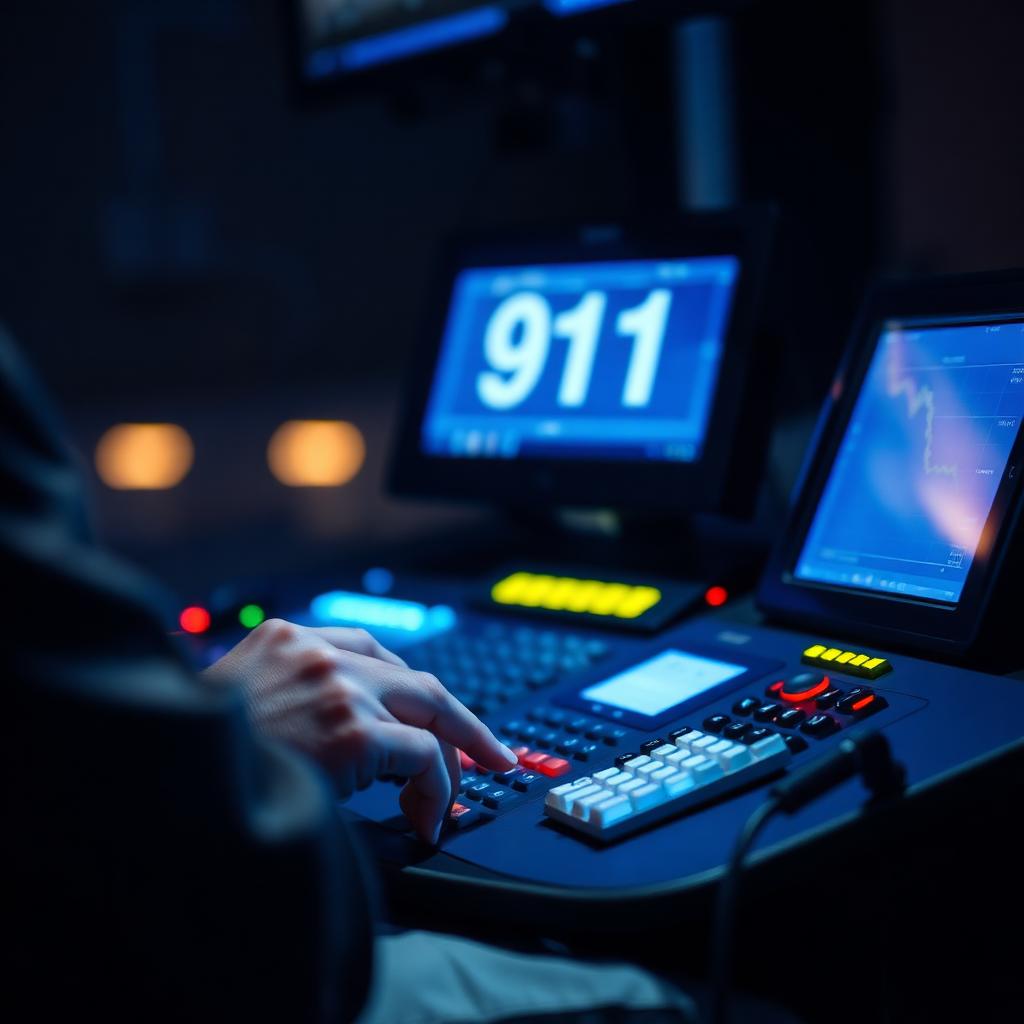
When you are involved in an accident in Florida — whether a car crash on I-95 in Miami-Dade, a slip and fall in a Coral Gables shopping center, or a pedestrian collision on Biscayne Boulevard — the 911 call you make (or that someone else makes on your behalf) can become one of the most powerful pieces of evidence in your personal injury case. Many accident victims do not realize that the 911 call, the police dispatch audio, the responding officer's actions, and the official incident report that follows are all critical components of an evidentiary record that can support or undermine your claim years later. Understanding how a 911 call affects a Florida personal injury case helps you make smart decisions in the critical moments after an accident.
What Happens When 911 Is Called After an Accident
When someone calls 911 following an accident in Florida, several things happen simultaneously that affect your injury case. The call itself is recorded and archived as a public record. Dispatch logs are created documenting the time of the call, the caller's statements about the accident, the location, and the nature of injuries reported. Police or Florida Highway Patrol officers are dispatched and, upon arrival, generate an official traffic crash report (known as a Long Form Crash Report) under Fla. Stat. § 316.066. Emergency medical services are dispatched, and their treatment records become part of the medical evidence in your case. Each of these documents is discoverable in personal injury litigation.
The 911 Recording as Evidence
A 911 call recording is a powerful and often underutilized piece of evidence in Florida personal injury cases. Under Florida law, 911 recordings are public records subject to disclosure under Fla. Stat. § 119.01 et seq. (Florida's Public Records Act). They are typically obtainable from the local county's E-911 office or sheriff's department by submitting a public records request. In personal injury litigation, 911 recordings are admissible as evidence under several theories: as a present sense impression or excited utterance under Fla. Stat. § 90.803(1) and (2) — hearsay exceptions for statements made spontaneously in the immediate aftermath of a startling event. Because the caller is speaking in real time, courts treat these statements as inherently reliable.
What Your Statements on the 911 Call Can Mean
Everything said on a 911 call — by you, by witnesses, or by the at-fault party — may be used in your case. Statements by the at-fault driver admitting fault, describing their own actions, or acknowledging speed, inattention, or impairment are particularly valuable. Eyewitness descriptions of how the accident occurred, made spontaneously before anyone has had time to reconsider or coordinate stories, carry tremendous evidentiary weight. Your own statements matter too: if you called 911 and told the dispatcher you were fine or not hurt, a defense attorney will use that statement to argue that your injuries were not caused by the accident. Conversely, if you described pain, disorientation, or other symptoms, those contemporaneous reports support your injury claim.
Importance of Calling 911 — Even When Injuries Seem Minor
One of the most common mistakes Florida accident victims make is deciding not to call 911 because the accident seems minor or injuries are not immediately obvious. Adrenaline commonly masks pain in the immediate aftermath of a crash, and many serious injuries — soft tissue damage, whiplash, concussion, herniated discs — do not manifest fully for hours or days. Without a 911 call, there is no police report, no documented timeline, and no official record of the accident scene's conditions. Defense attorneys will argue that the absence of a 911 call indicates that you did not believe you were injured — or that you fabricated or exaggerated your injuries later. Always call 911 after any accident that involves injury, and always seek medical attention.
The Florida Traffic Crash Report and Its Role in Litigation
When police respond to a 911 call following a Florida traffic accident, the responding officer prepares a crash report under Fla. Stat. § 316.066. This document contains the officer's observations of the scene, the parties' statements, witness information, diagrams of the crash, weather and road conditions, any citations issued, and the officer's preliminary determination of fault. While the crash report itself is not admissible as evidence at trial (it is protected under § 316.066 for use in court proceedings with limited exceptions), the information it contains informs both sides' litigation strategy and is used extensively in pretrial discovery, depositions, and settlement negotiations. Your attorney will obtain the crash report immediately after being retained.
Witness Statements Captured Through 911 and Police Response
The 911 call and subsequent police response create an opportunity to document witness information that might otherwise be lost. Witnesses at the scene who speak to 911 dispatchers or give statements to responding officers provide contemporaneous accounts that are far more reliable than recollections months or years later at deposition or trial. If witnesses leave the scene before police arrive, 911 dispatch logs may record their initial reported location or descriptions that help identify them. Your attorney will work to locate, contact, and secure sworn statements from all witnesses identified through the 911 and police investigation records as early as possible in the case.
How 911 Calls Establish Timeline and Causation
Establishing an accurate timeline of events is essential in any Florida personal injury case. The 911 call's timestamp creates an indisputable baseline: the time the accident occurred, the time emergency services were notified, and the time responders arrived. This timeline supports causation — the connection between the accident and your injuries — by demonstrating that you required immediate medical attention at the scene. It also helps counter defense arguments that your injuries were pre-existing or that the treatment gap between the accident and your first medical visit breaks the causal chain. Courts and insurance adjusters pay close attention to how quickly a victim sought medical care.
What to Say (and Not to Say) on a 911 Call
While you should always call 911 after a serious accident, be mindful of what you say. The purpose of the 911 call is to report the emergency and request help — not to provide a comprehensive account of the accident. Appropriate 911 call content includes: - The location of the accident as specifically as possible - A request for police and medical assistance - The number of people involved and whether anyone appears seriously injured - A brief, factual description of what happened (e.g., 'I was rear-ended at this intersection') Avoid speculating about fault if you are not certain, avoid minimizing your pain or injuries to reassure the dispatcher, and avoid making legal conclusions. If you are disoriented or in pain, it is acceptable to say so — this contemporaneous statement will support your injury claim.
911 Calls in Premises Liability Cases
The evidentiary principles governing 911 calls in car accident cases apply equally to Florida premises liability cases — slip and fall incidents, inadequate security assaults, swimming pool drownings, and other injuries on commercial or residential property. Under Fla. Stat. § 768.0755, business owners who have actual or constructive knowledge of a transitory foreign substance on their floors face liability for slip and fall injuries. When a 911 call is made from the scene of a premises liability incident, it creates a time-stamped record of the conditions present and the injuries sustained before the property owner has an opportunity to remediate the hazard or alter their records. Obtaining this recording quickly is a priority in any premises liability case.
Frequently Asked Questions
Q: Can a 911 call recording really be used as evidence in a Florida personal injury trial? Yes. 911 recordings are admissible under Florida's hearsay exceptions for excited utterances (Fla. Stat. § 90.803(2)) and present sense impressions (§ 90.803(1)). Courts have consistently admitted 911 recordings in personal injury cases where spontaneous statements by callers or witnesses described the accident and injuries. The recordings are also valuable in pretrial proceedings, depositions, and mediation, where they can dramatically support settlement negotiations.
Q: What if someone else called 911 and I never spoke to the dispatcher? That is fine. Another person's 911 call still creates the official record of the accident. The witness statements, scene description, and timestamps from that call are still available through public records requests and can be used by your attorney. Your own subsequent statements to the responding police officer and emergency medical technicians also create contemporaneous records of your injuries.
Q: How do I get a copy of the 911 call recording from my accident? You or your attorney can submit a public records request to the county's E-911 center or the local police department under Florida's Public Records Act (Fla. Stat. § 119.01 et seq.). Most agencies provide recordings within a few business days upon request and payment of a nominal fee. Your personal injury attorney will typically handle this request as one of the first steps in building your case. Recordings may be retained for varying periods — typically 30 to 90 days for routine calls — so requests should be made immediately.
Q: What if I said I was 'okay' on the 911 call but I later discovered serious injuries? This is a common issue in personal injury cases. Statements made in shock and adrenaline, before the full extent of injuries is apparent, are understandable and explainable. Your attorney will present expert medical testimony establishing that certain injuries — particularly soft tissue damage, disc herniations, and traumatic brain injuries — frequently manifest hours or days after the incident. The discovery rule in Florida can be relevant to the injury timeline, and documented medical treatment beginning promptly after the accident counteracts any 'delayed injury' defense argument.
Key Takeaways
- Always call 911 after any accident involving injury — the call creates an indisputable, time-stamped official record
- 911 recordings are public records in Florida (Fla. Stat. § 119.01) and are admissible as excited utterances or present sense impressions under § 90.803
- Statements by the at-fault party captured on 911 recordings can constitute powerful admissions against interest
- The official crash report generated after a 911 response (Fla. Stat. § 316.066) informs every stage of personal injury litigation
- Witness identification through 911 and police response records is critical — gather this information as early as possible
- Never minimize injuries on a 911 call — describe your symptoms accurately and request medical attention
- Florida's 2-year statute of limitations (HB 837, § 95.11) applies — contact an attorney promptly after any serious accident
The moments after an accident in Miami-Dade or Broward County are confusing and painful, but the decisions you make — including whether to call 911 and what to say — have long-lasting legal consequences. The Farber Law Firm helps South Florida injury victims understand and protect their rights from day one. Contact us for a free consultation and let us begin building the strongest possible case for you.
This article is for general informational purposes only and does not constitute legal advice. Laws change; consult a licensed Florida attorney about your specific situation.
Frequently Asked Questions
Should I always call 911 after a Florida crash?
Yes, when there is any injury, apparent injury, or significant property damage. Fla. Stat. § 316.065 requires reporting crashes involving injury, death, or damage over $500.
Can the 911 recording be used in my injury case?
Yes. 911 calls are typically admissible under the excited utterance and present sense impression hearsay exceptions.
What if I said 'I'm okay' on the 911 call?
Defense counsel will use it, but delayed-onset injuries are well recognized medically — treatment records and physician testimony can rebut the statement.
Can I get a copy of the 911 call?
Yes. 911 recordings are public records in Florida and can be requested from the responding agency.
Have a similar situation?
Free, confidential case review with a South Florida trial attorney. Call 8888-FARBER.
Request a Free ConsultationAbout the Author
The Farber Law Firm, P.A.
The Farber Law Firm is a South Florida trial practice based in Coral Gables, representing injured people, policyholders and businesses across Miami-Dade, Broward and Palm Beach counties since 1995. The firm handles personal injury, wrongful death, insurance coverage disputes and commercial litigation, and its attorneys are members in good standing of The Florida Bar.
Articles on this site are written and reviewed by attorney David Farber and reflect Florida statutes, court rules and Florida Bar regulations current as of the publication date.
- Office
- 2199 Ponce de Leon Blvd #301
Coral Gables, FL 33134 - Phone
- 8888-FARBER
- Consultations
- Free and confidential
Florida Legal Insights, in Your Inbox
Subscribe to The Farber Law Firm’s email list for educational articles on Florida injury claims, insurance coverage, and consumer rights.
By subscribing, you request legal insights by email. This is not a consultation request and does not create an attorney-client relationship. Privacy Policy.