Florida Bicycle Helmet Law in 2026: Who Must Wear One, What the Statute Actually Says, and How It Affects an Injury Claim
A plain-English 2026 guide to Fla. Stat. § 316.2065: the under-16 helmet requirement, the rules for child seats and passengers, e-bike and scooter differences, Miami-Dade riding rules, and how helmet use is treated after a crash under Florida comparative fault law.
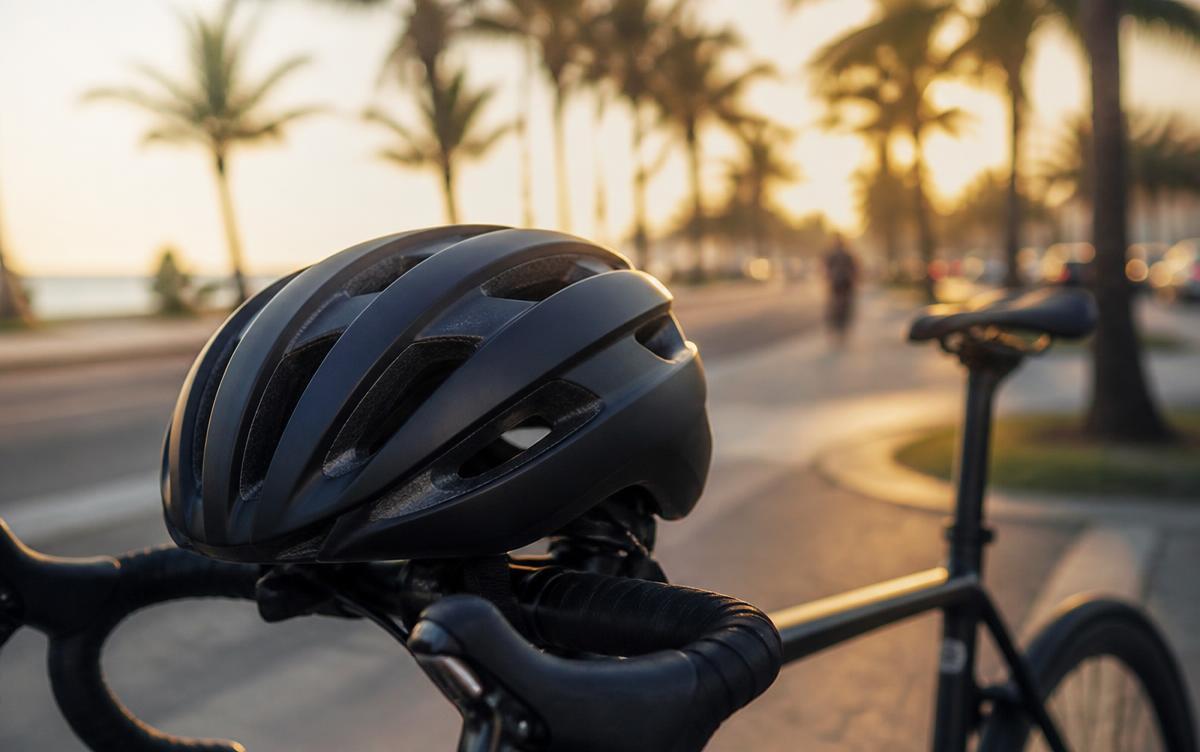
Florida is one of the most dangerous states in the country for people on bicycles, and Miami-Dade sits near the top of the state's crash numbers year after year. Riders on the Rickenbacker Causeway, along Old Cutler Road, on the Venetian, and through Coral Gables neighborhoods ask the same practical question before they clip in: does Florida law require a helmet, and does it matter to my rights if I am hit? This 2026 guide from The Farber Law Firm answers both. It explains exactly what Fla. Stat. § 316.2065 requires, who is covered, how e-bikes and scooters differ, what Miami-Dade adds locally, and how helmet use is treated in an injury claim under Florida's current comparative fault regime. Nothing here is legal advice about a specific situation, and no outcome is promised. Every case turns on its own facts.
The Short Answer
Florida requires a bicycle helmet only for riders and passengers under 16 years of age. The requirement lives in Fla. Stat. § 316.2065(3)(d), and it applies to a person operating a bicycle and to any passenger, including a child in a carrier or trailer. The helmet must be properly fitted, fastened securely with a strap, and meet a nationally recognized safety standard. There is no statewide adult helmet requirement in 2026, and no bill changing that has taken effect.
That is the legal floor, not the safety recommendation. Head injuries account for the large majority of fatal bicycle injuries, and a helmet is the only piece of equipment that meaningfully reduces that risk for any rider of any age.
What Fla. Stat. § 316.2065 Actually Says
The bicycle regulation statute is broader than the helmet clause, and the surrounding provisions matter more in a crash claim than the helmet rule does.
Bicyclists have the rights and duties of drivers
Subsection (1) provides that a person propelling a vehicle by human power has all of the rights and all of the duties applicable to the driver of a vehicle, except as to provisions that by their nature cannot apply. In practical terms, a bicyclist must stop at red lights and stop signs, signal turns, and yield when required, and a driver owes a bicyclist the ordinary duty of reasonable care.
Seats, passengers, and carrying rules
A rider may not use the bicycle to carry more persons at one time than the number for which it is designed or equipped, and a rider must be on a permanent and regular seat attached to the bicycle. A child under four years of age, or weighing 40 pounds or less, must be carried in a seat or carrier that carries the child in a manner that does not interfere with the ventilation or holding of the child.
Riding position on the roadway
A bicyclist traveling at less than the normal speed of traffic must generally ride in a bicycle lane or as close as practicable to the right-hand curb or edge of the roadway, with statutory exceptions for overtaking, preparing for a left turn, avoiding hazards including parked cars and opening doors, and substandard-width lanes that are too narrow to share safely. Those exceptions matter constantly in Miami, where sand, storm debris, drainage grates, and door zones make the far right edge the least safe place to ride.
Lights and equipment after dark
Between sunset and sunrise a bicycle must be equipped with a lamp on the front exhibiting a white light visible from 500 feet, and a lamp and reflector on the rear exhibiting a red light visible from 600 feet. Missing lights is one of the most common facts an insurer uses to shift blame in a night-time crash claim.
Sidewalk riding
A person propelling a bicycle on a sidewalk or crosswalk has the rights and duties of a pedestrian under the same circumstances, and must yield to pedestrians and give an audible signal before overtaking. Local ordinances may restrict sidewalk riding in business districts.
The Helmet Rule in Detail
The under-16 requirement has four elements worth reading closely.
- Age. It applies to any bicycle rider or passenger under 16 years of age, including a passenger in a child seat or a trailer.
- Fit. The helmet must be properly fitted and fastened securely upon the passenger's head by a strap. An unbuckled helmet does not satisfy the statute.
- Standard. The helmet must meet a nationally recognized standard for bicycle helmets. In practice that means a helmet carrying a current CPSC certification sticker under 16 C.F.R. Part 1203.
- Enforcement. The statute directs that a citation may be dismissed where the person cited shows proof of purchase of a conforming helmet, and it limits how the violation may be used, as discussed below.
Practical fitting guidance for parents: the helmet should sit level, about two finger widths above the eyebrows, with the side straps forming a V just under each ear and the chin strap snug enough that the helmet pulls down slightly when the child opens their mouth. Replace any helmet that has taken an impact, even if it looks intact, and replace helmets that are outgrown or visibly degraded from Florida sun exposure.
E-Bikes, Scooters, and Micromobility Devices
This is where riders get the law wrong most often, because three separate statutes govern three different machines.
- Electric bicycles. Fla. Stat. § 316.20655 defines electric bicycles by class and generally gives an e-bike rider the same rights and duties as the operator of a traditional bicycle, with e-bikes permitted where bicycles are permitted unless a local government restricts them. Riders under 16 remain subject to the helmet rule that applies to bicycles.
- Motorized scooters and micromobility devices. Fla. Stat. § 316.008 gives counties and municipalities authority to regulate micromobility devices and motorized scooters on streets and sidewalks under their jurisdiction, and Fla. Stat. § 316.2128 addresses operation requirements. Because so much of this is local, the rules on Miami Beach, in the City of Miami, and in unincorporated Miami-Dade are not identical.
- Mopeds and motorcycles. These are different vehicles entirely. Fla. Stat. § 316.211 requires helmets for motorcycle operators and passengers under 21 without exception, and allows riders 21 and older to go without a helmet only if covered by an insurance policy providing at least $10,000 in medical benefits for crash injuries.
Before renting a scooter or an e-bike in Miami Beach or Brickell, check the operator's own terms as well. Rental agreements frequently impose helmet and age requirements stricter than state law, and a violation of those terms can become an issue in a later claim.
Miami-Dade and Local Rules
Municipalities in Miami-Dade County can and do add requirements on top of state law, particularly for sidewalk riding in commercial districts, for scooter operation and parking, and for park and causeway paths. Coral Gables, Miami Beach, Key Biscayne, and the City of Miami each maintain their own code provisions. County parks and the Rickenbacker Causeway have posted rules for group riding and lane use. Riders who train in groups should read the posted signage on the causeway route, because those rules are enforced and because a citation creates a fact the defense will use.
How Helmet Use Is Treated in a Florida Injury Claim
This is the question that actually decides money, and Florida law is more protective of riders than most people expect.
Fla. Stat. § 316.2065 states that a violation of the section is a noncriminal traffic infraction and, importantly, that a violation of the helmet provision may not be considered negligence, may not be admissible as evidence of negligence, and may not be considered comparative negligence. The statute also provides that a violation may not be used as a defense in any civil action. In plain terms, the fact that an injured rider was not wearing a helmet is not supposed to reduce recovery.
That does not stop adjusters from raising it in negotiation. The counter is factual and medical: whether the injury mechanism was a head impact at all, what the imaging shows, what the treating physicians attribute the injury to, and what the driver did wrong. A rider who suffers a fractured pelvis and a torn shoulder in a left-hook collision has no helmet issue to argue about, and even in head-injury cases the statutory bar is the starting point of the response.
The comparative fault rule that does apply
Since HB 837 took effect on March 24, 2023, Florida applies modified comparative negligence under Fla. Stat. § 768.81(6). A claimant found more than 50 percent at fault recovers nothing. At 50 percent or less, damages are reduced by the assigned percentage. That is why the real fight in a bicycle case is usually about lights, lane position, signal timing, and right of way, not about a helmet.
The 3-foot passing rule
Fla. Stat. § 316.083 requires a driver overtaking a bicycle to pass at a safe distance of not less than 3 feet, and to change lanes when the lane is too narrow to share. A violation of that rule is often the central liability fact in a sideswipe or overtaking crash, and dashcam or rear-facing bicycle camera footage is frequently what proves it.
What to Do After a Miami Bicycle Crash
- Call 911 and get a crash report. A short-form report under Fla. Stat. § 316.066 preserves the driver's identity and insurance information.
- Get evaluated the same day. PIP benefits under Fla. Stat. § 627.736 generally require initial services and care within 14 days of the crash.
- Photograph everything before the scene changes: the bicycle, the vehicle, the debris field, the lane markings, the sight lines, and any damage to clothing and equipment.
- Preserve the helmet, the bike, and any camera or GPS device exactly as they are. Do not repair the bicycle and do not discard a cracked helmet, since both are physical evidence of impact forces.
- Identify witnesses and nearby cameras. Businesses along Ponce de Leon Boulevard, Coral Way, and Biscayne Boulevard often overwrite footage within days.
- Report the crash to your own auto insurer even though you were on a bicycle, because PIP and uninsured motorist coverage may follow you.
- Decline recorded statements to the other driver's insurer until you understand the coverage picture.
Insurance Coverage for Bicyclists in Florida
A bicyclist struck by a car in Florida usually looks to several coverage layers. Florida PIP generally follows the injured person, so a rider who owns an insured vehicle, or who is a resident relative of someone who does, ordinarily has $10,000 in PIP available subject to the 14-day treatment rule and the emergency medical condition limitation. Beyond PIP, the at-fault driver's bodily injury liability coverage applies if the driver carries it, which many Florida drivers do not because BI coverage is not mandatory under the state's financial responsibility scheme. Uninsured and underinsured motorist coverage under Fla. Stat. § 627.727 is frequently the most important policy in a serious bicycle case, and it can apply to a hit-and-run driver who is never identified. Health insurance, medical payments coverage, and in some cases a homeowner or umbrella policy on the driver's side round out the picture.
Deadlines That End Cases
For negligence causes of action accruing on or after March 24, 2023, suit must be filed within two years under Fla. Stat. § 95.11(4)(a). Wrongful death actions run two years from the date of death under § 95.11(4)(d). If a governmental entity is involved, for example a county vehicle or a dangerous condition on a public road, written notice must be served under Fla. Stat. § 768.28(6) with a 180-day agency review period before suit. Uninsured motorist claims carry their own contractual notice provisions. Missing any of these deadlines generally ends the claim regardless of how strong the liability facts are.
Official Sources
- Fla. Stat. § 316.2065 — Bicycle regulations
- Fla. Stat. § 316.20655 — Electric bicycles
- Fla. Stat. § 316.083 — Overtaking and passing a vehicle or bicycle
- Fla. Stat. § 768.81 — Comparative fault
- Fla. Stat. § 95.11 — Limitations other than for the recovery of real property
- FDOT Florida Bicycle Law resources
- CPSC bicycle helmet safety standard, 16 C.F.R. Part 1203
- NHTSA bicycle safety
- Miami-Dade County bicycle and pedestrian program
Talk to a Coral Gables Bicycle Accident Attorney
The Farber Law Firm represents injured cyclists throughout Miami-Dade, Broward, and Palm Beach counties from its office at 2199 Ponce de Leon Blvd #301, Coral Gables, FL 33134. Consultations are free and confidential, and personal injury matters are handled on a contingency fee basis, meaning no attorney fee unless there is a recovery. Costs and expenses are explained in the written fee agreement before anything is signed.
Frequently Asked Questions
Does Florida require adults to wear bicycle helmets in 2026?
No. Fla. Stat. § 316.2065(3)(d) requires a properly fitted and fastened bicycle helmet meeting a nationally recognized standard only for riders and passengers under 16 years of age. Adults 16 and older may ride without a helmet anywhere in Florida, though helmets remain the single most effective way to reduce head-injury risk.
Can a driver's insurer blame me for not wearing a helmet?
Florida law states that a violation of the bicycle statute is not negligence per se and is not evidence of negligence, and that helmet-law violations may not be considered comparative negligence. Insurance adjusters still raise the argument informally in negotiation, which is why documenting the mechanism of injury and the driver's conduct matters.
Is a bicycle treated as a vehicle in Florida?
Yes. Under Fla. Stat. § 316.2065(1), a person riding a bicycle on a roadway has all the rights and duties applicable to a driver of a vehicle, with limited exceptions in the statute. That means bicyclists must obey traffic control devices, and drivers owe bicyclists the same care they owe other motorists.
Do helmet rules apply to electric bicycles and scooters?
Electric bicycles are governed by Fla. Stat. § 316.20655, which generally gives e-bike riders the same rights and duties as bicyclists. Motorized scooters and micromobility devices are addressed in Fla. Stat. §§ 316.2128 and 316.008. Requirements differ by device class and by local ordinance, so check both the statute and the city or county rules before riding.
How close must a car pass a bicyclist in Florida?
Since the 2021 amendments, a driver overtaking a bicycle must pass at a safe distance of not less than 3 feet, and where the lane is too narrow to share, must change lanes to pass when the adjacent lane is clear. The rule appears in Fla. Stat. § 316.083.
How long do I have to file a Florida bicycle crash claim?
For negligence causes of action accruing on or after March 24, 2023, the limitations period is two years under Fla. Stat. § 95.11(4)(a). Wrongful death claims run two years from the date of death under § 95.11(4)(d), and claims against a governmental entity carry additional presuit notice requirements under § 768.28(6).
Does car insurance cover a bicyclist hit by a car in Florida?
Often, yes. Florida PIP under Fla. Stat. §§ 627.730 to 627.7405 generally follows the injured person, so a bicyclist who owns an insured vehicle or lives with a relative who does may have PIP available. Uninsured and underinsured motorist coverage may also apply, along with the at-fault driver's bodily injury liability coverage if any exists.
Have a similar situation?
Free, confidential case review with a South Florida trial attorney. Call 8888-FARBER.
Request a Free ConsultationAbout the Author
The Farber Law Firm, P.A.
The Farber Law Firm is a South Florida trial practice based in Coral Gables, representing injured people, policyholders and businesses across Miami-Dade, Broward and Palm Beach counties since 1995. The firm handles personal injury, wrongful death, insurance coverage disputes and commercial litigation, and its attorneys are members in good standing of The Florida Bar.
Articles on this site are written and reviewed by attorney David Farber and reflect Florida statutes, court rules and Florida Bar regulations current as of the publication date.
- Office
- 2199 Ponce de Leon Blvd #301
Coral Gables, FL 33134 - Phone
- 8888-FARBER
- Consultations
- Free and confidential