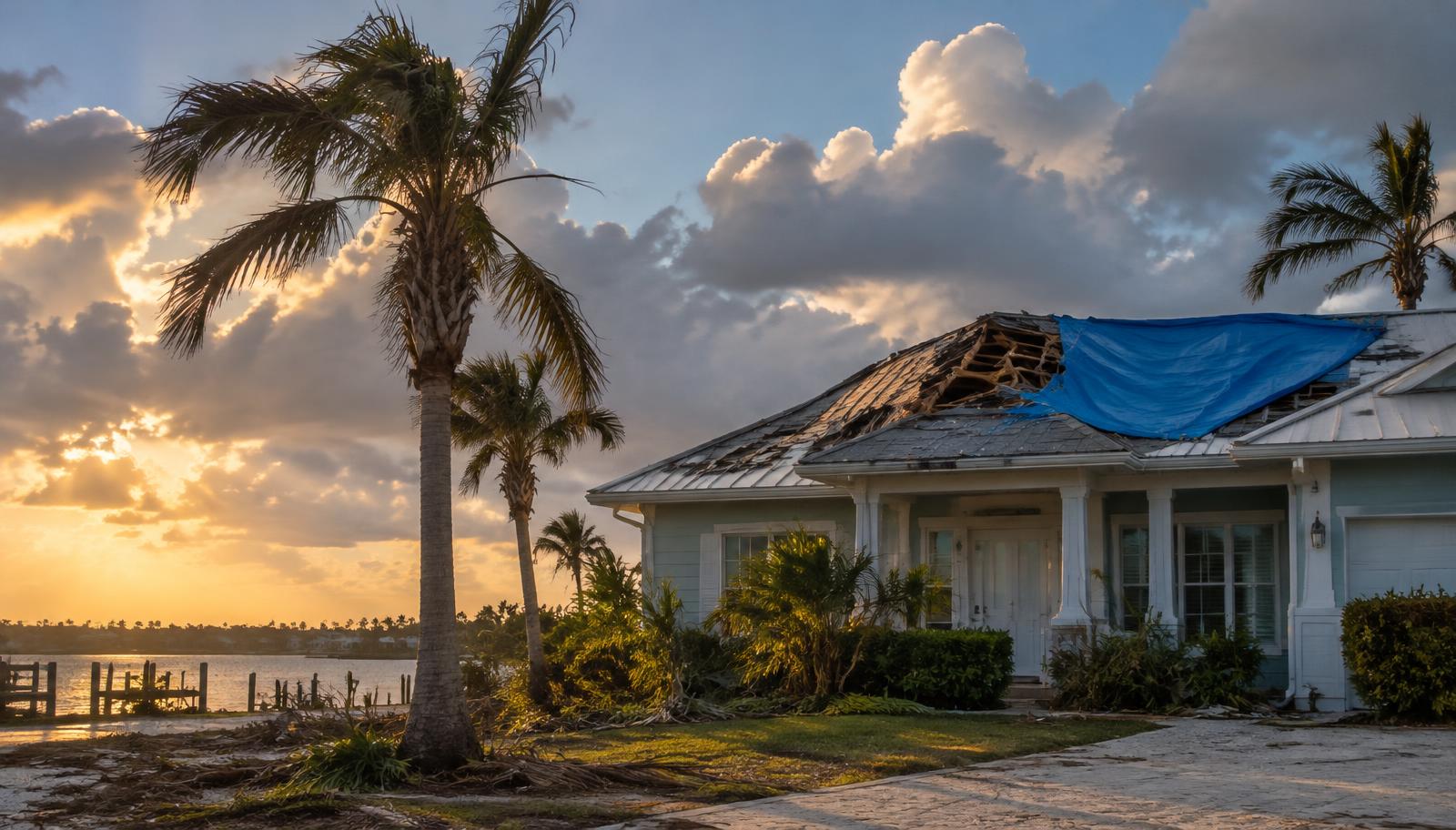
Hurricane Damage & Insurance Claims Attorney in Florida
The Farber Law Firm helps Florida homeowners, condominium associations, property owners and businesses with hurricane claims that were denied, delayed or underpaid. We review your policy, explain your options and, where appropriate, pursue the claim through appraisal or litigation.
Hurricane claims we handle
After a storm, insurers may dispute whether damage was caused by wind, water, age or prior conditions. We focus on what your policy actually covers and what the evidence shows.
Homeowner Wind & Roof Claims
Disputes over roof, window, siding and structural damage after hurricanes and windstorms, including wear-and-tear and pre-existing damage denials.
Condominium Associations
Master policy claims for common elements and building components, coverage allocation questions and underpaid association losses.
Commercial & Business Property
Commercial building, inventory and business interruption claims for owners whose operations were disrupted by a storm.
Flood (NFIP) Claims
Disputes under National Flood Insurance Program policies, which follow federal procedures and deadlines.
Water Intrusion
Wind-driven rain and storm-related water intrusion claims, including disputes over causation and policy exclusions.
Delayed & Underpaid Claims
Claims stalled past statutory timelines or paid far below documented repair costs.
Rules that shape a Florida hurricane claim
Florida's 2022 and 2023 property insurance reforms shortened several deadlines and changed how disputes are resolved. Acting early helps protect your options.
Flood claims under the NFIP are governed by federal law and the Standard Flood Insurance Policy, with separate deadlines.
Generally requires notice of an initial claim within 1 year of the date of loss and a supplemental claim within 18 months.
Sets insurer timelines for acknowledging, investigating and paying or denying property claims.
Requires written pre-suit notice at least 10 business days before filing most residential and commercial property lawsuits.
Governs condominium associations, including insurance obligations for association property.
Federal rules for NFIP flood policies, including proof of loss and lawsuit deadlines.
Summaries are general and may not apply to every policy or date of loss. Laws change; verify current law with an attorney.
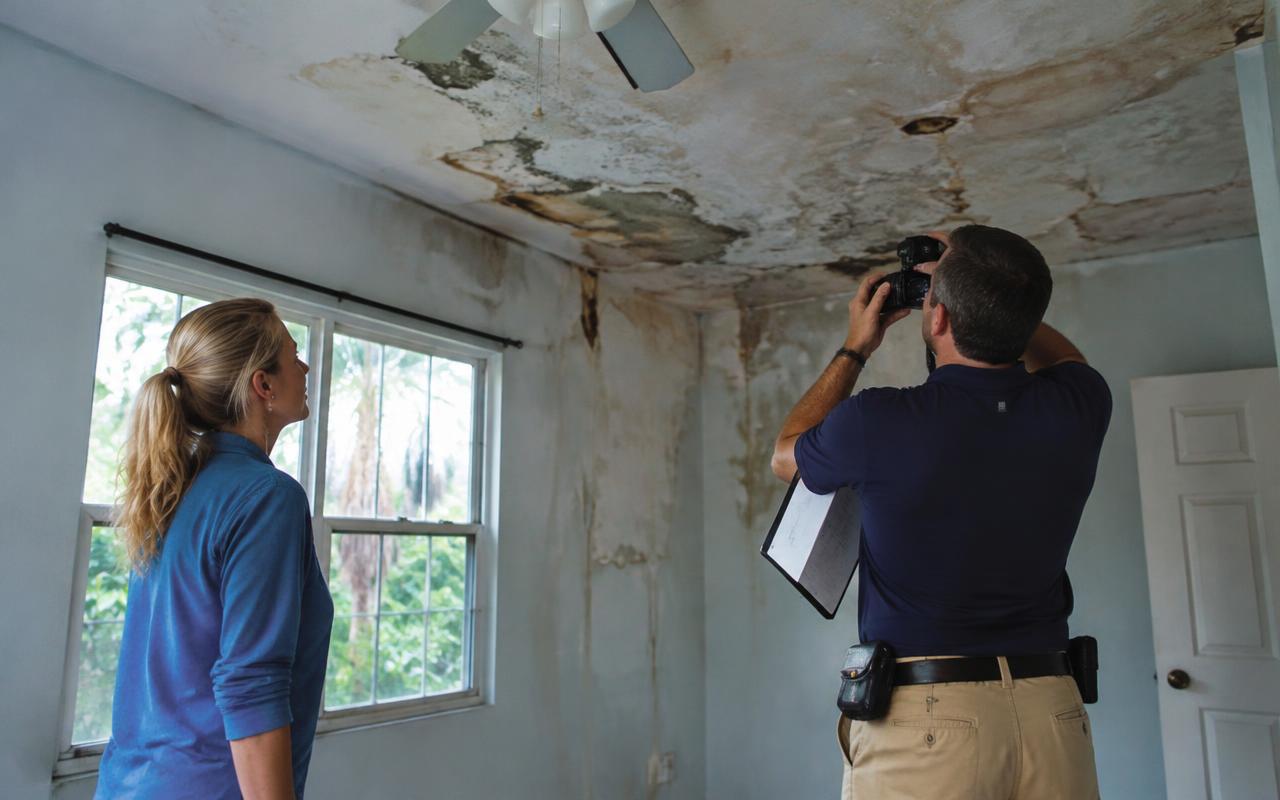
Why hurricane claims get denied or underpaid
Insurers often cite the same handful of reasons. Understanding them early helps you gather the right evidence.
- Wear and tear. The insurer says the damage is age-related rather than storm-caused.
- Wind versus water. Disputes over whether damage came from covered wind or excluded flood.
- Late notice. The insurer argues the claim was reported after the policy or statutory deadline.
- Low estimates. The adjuster's scope omits repairs a licensed contractor says are needed.
- Pre-existing damage. The insurer attributes the loss to conditions that existed before the storm.
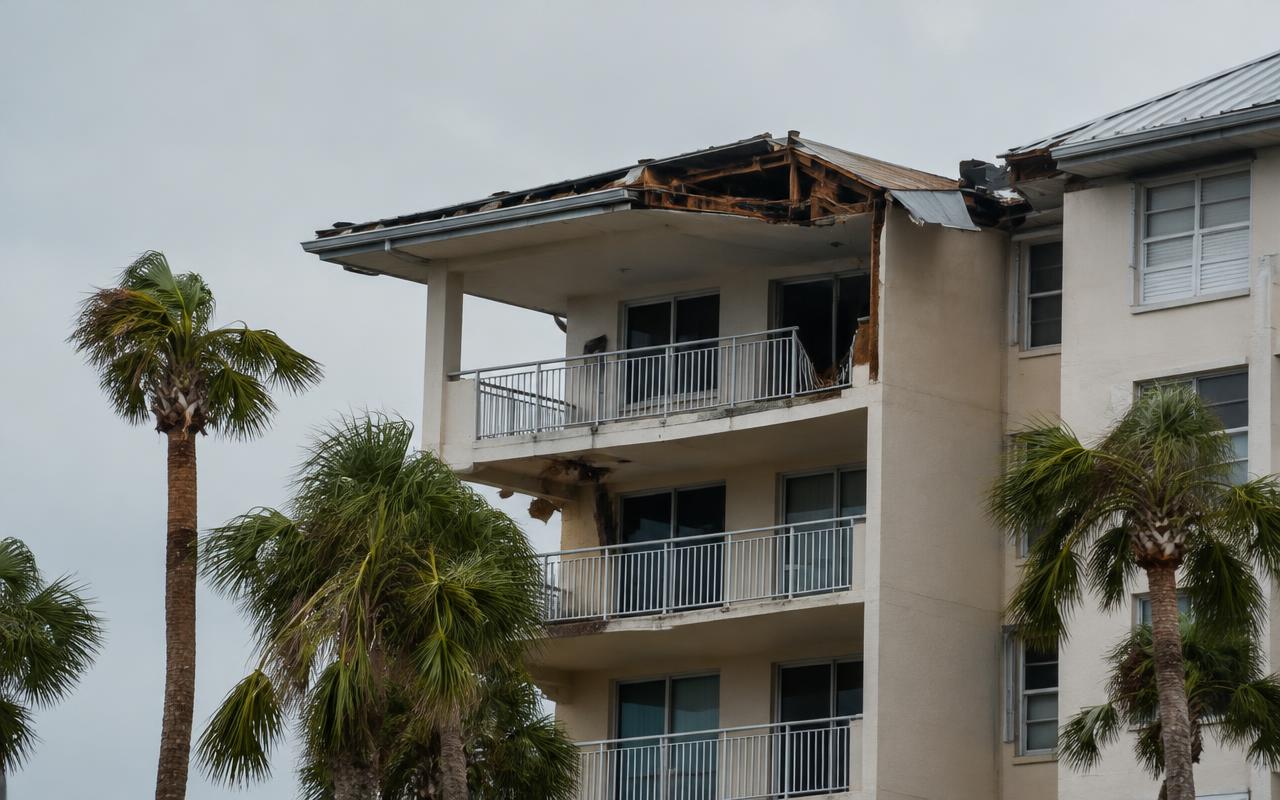
Condominium and commercial property claims
Larger losses involve master policies, multiple stakeholders and detailed scopes of repair. Boards, managers and owners often need to coordinate engineers, contractors and counsel at the same time.
- Master policy coverage for common elements and building components
- Hurricane deductibles and how they apply to the association
- Roof, window, elevator, and building envelope damage
- Business interruption and extra expense documentation
- Board duties to notify insurers and preserve evidence
Not sure where your claim stands?
Send us your insurer, date of loss and the status of your claim. We will tell you whether a consultation makes sense.
Free Florida hurricane insurance claim checklist
Practical steps to protect your claim after a storm. Print it and keep it with your policy.
- 1.Photograph and video all damage, inside and out, before cleanup, with dates visible where possible.
- 2.Make reasonable temporary repairs to prevent further damage, such as tarping the roof, and keep every receipt.
- 3.Report the claim to your insurer promptly and write down the claim number, date and adjuster names.
- 4.Request a complete certified copy of your policy, including the declarations page and endorsements.
- 5.Keep damaged materials or samples when safe, until the insurer has had a chance to inspect.
- 6.Track additional living expenses, such as hotel, meals and storage, with receipts.
- 7.Save all letters, emails and estimates from the insurer, and put important communications in writing.
- 8.If you have flood insurance, file a separate flood claim and note the NFIP proof of loss deadline.
- 9.Get an independent repair estimate from a licensed Florida contractor.
- 10.Calendar your notice, supplemental claim and lawsuit deadlines, and seek legal review before they pass.
How we approach your claim
Free consultation
You share the policy, denial or estimate letters and photos. We explain options in plain language.
Policy & claim review
We compare the policy wording against the loss, the insurer's reasons and the applicable deadlines.
Documentation & demand
Where appropriate, we work with independent estimators or engineers and present a documented demand.
Pre-suit notice & resolution
If the dispute continues, we handle required pre-suit notice and pursue appraisal or litigation as the policy and law allow.
Your attorney
David Farber, Licensed Florida Attorney
You speak directly with the attorney responsible for your matter. Read David Farber's profile.
The Farber Law Firm
2199 Ponce de Leon Blvd #301, Coral Gables, FL 33134
8888-FARBER (888-832-7237)
Serving property owners across Florida
Our office is in Coral Gables. We work with clients throughout Florida, including:
Related: Miami hurricane claims · Insurance disputes · 10 hurricane claim mistakes
Request a free, confidential consultation
Tell us about your property, insurer and where the claim stands. A member of our team will follow up to discuss whether we can help.
Submitting this form does not create an attorney-client relationship. Please do not send confidential documents until you have spoken with the firm.
Florida Hurricane Insurance Claim FAQs
How long do I have to report hurricane damage to my insurer in Florida?
For many residential and commercial property policies, Fla. Stat. 627.70132 generally requires notice of an initial claim within 1 year of the date of loss and notice of a supplemental claim within 18 months. Policy terms and dates of loss affect which rules apply, so confirm your deadline promptly.
My insurer denied my roof claim as wear and tear. What can I do?
A denial is the insurer's position, not the final word. Request the full claim file and any engineer report, document the storm damage, and have the policy language reviewed. Options can include a reopened or supplemental claim, appraisal where the policy allows it, or litigation after Florida's pre-suit notice requirements are met.
Does homeowners insurance cover hurricane flooding?
Standard homeowners policies usually exclude flood. Flood losses are typically covered under a separate National Flood Insurance Program (NFIP) or private flood policy. NFIP claims follow federal rules, including a proof of loss deadline and a federal lawsuit deadline, which differ from state law.
Can a condominium association challenge an underpaid master policy claim?
Yes. Associations can dispute coverage and valuation for common elements and building components covered by the master policy. Chapter 718 and the association's governing documents also affect how losses are allocated between the association and unit owners.
What is the Florida pre-suit notice requirement?
Under Fla. Stat. 627.70152, a policyholder generally must give the insurer written notice of intent to initiate litigation at least 10 business days before filing a property insurance lawsuit, along with an estimate of the amount in dispute.
What are common reasons insurers deny hurricane claims?
Common stated reasons include wear and tear, pre-existing or long-term damage, late notice, an exclusion such as flood or rot, and a disagreement over whether damage was caused by wind or water. Each reason depends on the policy wording and evidence, so a denial letter is worth reviewing carefully.
Can businesses recover lost income after a hurricane?
Some commercial policies include business interruption or extra expense coverage, usually with waiting periods, documentation requirements and limits. Coverage depends on your policy and on whether the interruption results from covered physical damage.
Should I accept the insurer's first offer?
You are not required to accept an offer you believe is too low, but signing a release or cashing certain payments can have consequences. Have an estimate and the policy reviewed before agreeing to a final settlement.
How much does a consultation cost?
The initial consultation is free. Fee arrangements depend on the matter and are explained in a written agreement before any representation begins.
General information only, not legal advice. Laws change and every case is different. Contacting the firm does not create an attorney-client relationship.